
Growing NZ native medicinal plants requires a holistic approach that combines botanical science with Tikanga Māori. To successfully cultivate Rongoā, gardeners must select species adapted to their specific microclimate, such as Kawakawa or Manuka, and prioritize eco-sourcing seeds to maintain genetic integrity. Essential practices include preparing well-draining, fungi-rich soil and maintaining the garden organically—without synthetic chemicals—while respecting the mauri (life force) of the plants through Karakia and intentional stewardship.
The resurgence of interest in Rongoā Māori—traditional Māori healing—has sparked a profound movement across Aotearoa. More than simply landscaping with indigenous flora, cultivating a Rongoā garden is an act of reclaiming knowledge, connecting with the Whenua (land), and establishing a sustainable pharmacy in your own backyard. Whether you are an experienced horticulturist or a novice gardener, the principles of growing these taonga (treasures) differ significantly from conventional vegetable gardening.
Establishing a native medicinal garden requires patience, observation, and a deep respect for the ecological web. Unlike annual crops that are harvested and removed, Rongoā plants are often perennials, shrubs, or trees that establish a long-term relationship with the soil and the gardener. This guide serves as a professional resource for establishing these plants with integrity and success.
Selecting the Right Native Plants for Your Climate
New Zealand’s geography spans subtropical climates in the Northland region to the cool, alpine conditions of the deep South. Consequently, not all Rongoā species will thrive in every garden. Success begins with selecting plants that are naturally adapted to your specific environmental conditions. Attempting to force a frost-tender species to grow in an exposed, alpine environment will likely result in weak plants with low medicinal potency.

Kawakawa (Macropiper excelsum)
Often referred to as the “pharmacy of the forest,” Kawakawa is perhaps the most versatile herb in Rongoā Māori. It prefers semi-shade and shelter. In its natural habitat, it grows as an understory plant beneath the canopy of larger trees.
- Climate: Thrives in coastal and lowland areas of the North Island and the northern South Island. It is frost-tender.
- Placement: Plant under the shade of established trees or on the south side of a building where it is protected from the harsh midday sun and heavy frosts.
- Medicinal Profile: Used for digestion, skin complaints, and circulation.
Manuka (Leptospermum scoparium)
Manuka is incredibly hardy and acts as a nursery plant in regenerating forests. It is a sun-lover that can tolerate a wide range of soil conditions, from wet wetlands to dry hillsides.
- Climate: Grows throughout New Zealand. Very frost hardy and wind resistant.
- Placement: Full sun is essential. It is excellent for shelterbelts or exposed areas of the garden.
- Medicinal Profile: Renowned for its antibacterial, antifungal, and anti-inflammatory properties.
Kumarahou (Pomaderris kumeraho)
Known as “gumdigger’s soap,” Kumarahou is a striking plant with yellow flowers that appear in early spring. It is strictly a North Island plant naturally, found mostly north of the Bay of Plenty.
- Climate: Frost sensitive. Requires a warm, sunny aspect.
- Placement: Needs excellent drainage. It naturally grows on clay banks and roadside verges. Do not overwater or plant in boggy soil.
- Medicinal Profile: Highly valued for respiratory ailments and bronchial health.
Harakeke (Phormium tenax)
Harakeke (New Zealand Flax) is ubiquitous across the landscape but holds immense medicinal and cultural value. It is incredibly robust.
- Climate: Tolerates frost, wind, and coastal spray.
- Placement: Can handle wet feet (swampy ground) but also grows well in dry soils once established.
- Medicinal Profile: The gel at the base of the leaves is a potent antiseptic and skin healer; the roots have traditional internal uses.
Soil Preparation and Eco-Sourcing Seeds
The foundation of potent Rongoā lies in the soil. Native plants have evolved in isolation for millions of years, adapting to unique soil compositions that are often lower in phosphorus than typical European garden soils. Furthermore, the provenance of your plant material—where the seeds come from—is a critical ecological consideration.
The Imperative of Eco-Sourcing
Eco-sourcing refers to the practice of collecting seeds from natural populations within your local ecological district and growing them in that same region. This preserves the distinct genetic identity of local plant populations.
For a medicinal garden, eco-sourcing is vital for two reasons:
- Adaptation: Local variants are genetically programmed to survive your specific climate, soil type, and pest pressures, leading to stronger, healthier plants without the need for intervention.
- Ecological Integrity: Bringing in plants from different regions can dilute the local gene pool (genetic pollution), potentially weakening the resilience of the local native forest.
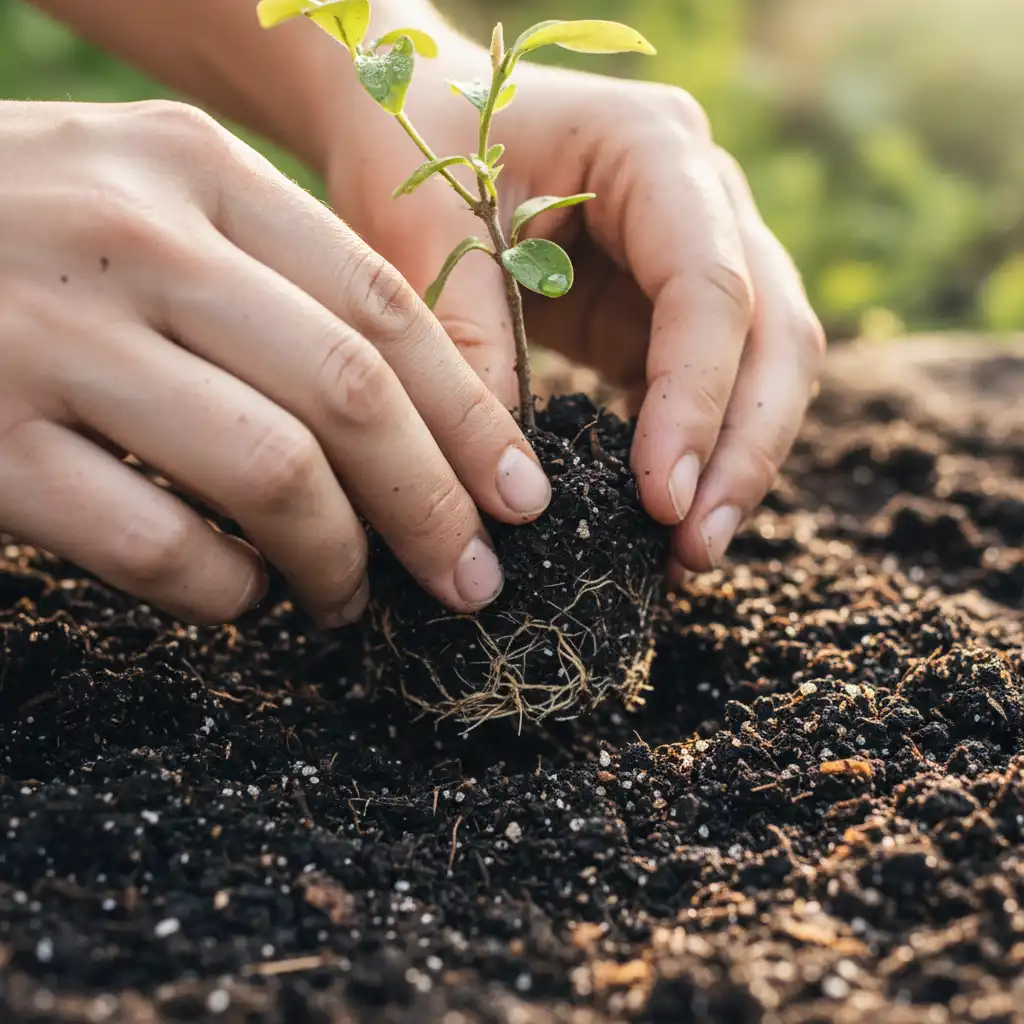
Soil Composition and Mycorrhizal Fungi
Unlike vegetable gardens which thrive on bacterial-dominated soil, NZ native trees and shrubs generally prefer fungal-dominated soil. To prepare your garden beds:
- Avoid Heavy Fertilizers: Do not use high-phosphate fertilizers (like superphosphate), as many natives, particularly Proteaceae, are sensitive to phosphorus.
- Leaf Mold and Mulch: Incorporate woody mulch, leaf mold, or composted bark. This encourages the growth of mycorrhizal fungi, which form symbiotic relationships with the roots, aiding in nutrient uptake.
- Drainage: While some plants like Harakeke tolerate wet feet, most medicinal natives require free-draining soil to prevent root rot (Phytophthora). If you have heavy clay, plant on mounds or incorporate gypsum and coarse organic matter.
The Importance of Karakia and Intent in Gardening
Cultivating Rongoā is not merely a horticultural exercise; it is a spiritual practice deeply rooted in Te Ao Māori (the Māori worldview). The plants are viewed not as commodities, but as living entities with their own Mauri (life force) and whakapapa (genealogy) connecting them to Tāne Mahuta (God of the Forest).
Setting the Intention
The intent (wairua) you bring into the garden affects the potency of the medicine. Gardening with stress, anger, or haste is believed to negatively impact the plant’s mauri. Conversely, gardening with respect, patience, and gratitude enhances the healing potential of the harvest.
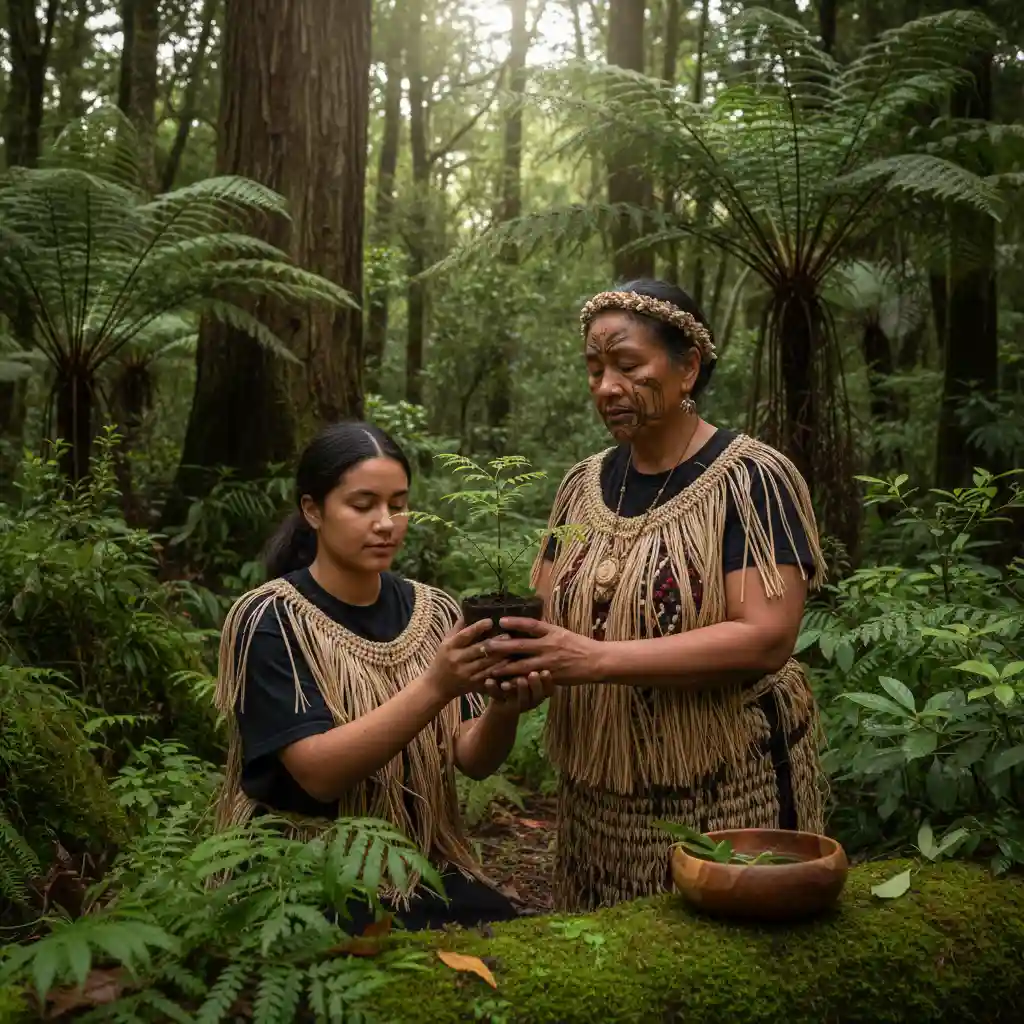
The Role of Karakia
Karakia (incantations or prayers) are used to acknowledge the spiritual dimension of the garden. While there are specific traditional Karakia, the core principle is acknowledging the source of life and asking for permission to disturb the earth or plant a seed.
Practical Application:
- Before Planting: Take a moment to acknowledge the earth (Papatūānuku) and the sky (Ranginui). State your intention for the plant—that it may grow strong to heal your whānau (family).
- Daily Interaction: Treat the garden as a sanctuary. Many practitioners speak to their plants, encouraging their growth. This “biophilia” effect is now recognized in modern science as beneficial for both the human psychological state and potentially for plant health via CO2 exchange and careful observation.
Maintenance and Pest Control Without Chemicals
In a Rongoā garden, the use of synthetic pesticides, herbicides, or fungicides is strictly prohibited. You cannot produce medicine from a plant that has been coated in toxins. Furthermore, the goal is to create a balanced ecosystem where predators and prey keep each other in check.
The Kawakawa Looper Moth Paradox
One of the most common questions regarding native gardening concerns the holes found in Kawakawa leaves. These are caused by the caterpillar of the Kawakawa Looper Moth (Cleora scriptaria).
Do not spray them. In Rongoā tradition, the leaves with the most holes are often considered the most potent. The theory is that the plant, under attack, produces higher concentrations of secondary metabolites (healing compounds) to defend itself. Therefore, the presence of the looper moth is a sign of a functioning ecosystem and potent medicine, not a pest infestation to be eradicated.

Organic Management Strategies
For other pests that may threaten the survival of young plants (such as aphids or scale), use gentle, organic interventions:
- Neem Oil: A natural botanical oil that disrupts the life cycle of pests. Use sparingly and only in the evening to avoid affecting bees.
- Manual Removal: For scale insects on trees like Manuka, physical removal with a soft toothbrush or a high-pressure water hose is often effective.
- Companion Planting: Interplant natives with flowers that attract beneficial insects (like hoverflies and parasitic wasps). While natives are usually planted in bush blocks, edging them with marigolds or alyssum during the establishment phase can reduce pest pressure.
Mulching and Hydration
Mulching is critical for replicating the forest floor environment. A thick layer of organic mulch keeps the root zone cool, retains moisture, and suppresses weeds. However, ensure the mulch does not touch the trunk of the plant, as this can cause collar rot.
Watering should be deep and infrequent to encourage deep root growth. Shallow, daily sprinkling encourages roots to stay near the surface, making the plants vulnerable to drought.
Principles of Sustainable Harvesting
While this guide focuses on growing, the ultimate goal is often use. When the time comes to harvest, Tikanga dictates that you never take more than you need, and never more than the plant can sustain.
- The First Harvest: It is customary to give the first harvest back to the earth (or leave it) as an offering.
- Time of Day: Harvest in the morning after the dew has lifted but before the sun is at its peak, as this is when the plant’s essential oils and active compounds are most stable.
- Method: Always harvest from the side of the plant facing the sun (Ra), and take leaves from different branches rather than stripping a single branch bare. This ensures the plant can continue to photosynthesize effectively.
People Also Ask
What are the best NZ native medicinal plants for beginners?
Kawakawa and Manuka are the best starting points for beginners. Kawakawa grows rapidly in shady spots and has multiple uses, while Manuka is incredibly hardy and tolerates wind and sun. Both are resilient and establish relatively quickly compared to slower-growing forest giants.
Can I grow Kawakawa in the South Island?
Yes, but with caution. Kawakawa is frost-tender. In the South Island, it requires a sheltered microclimate, such as under the eaves of a house, against a warm north-facing wall, or under a frost-cloth frame during winter. Coastal areas of the upper South Island are generally suitable.
What is eco-sourcing and why is it important?
Eco-sourcing involves collecting seeds from wild populations in your local area to grow plants for that same area. It is important because it preserves the genetic distinctiveness of local flora and ensures the plants are adapted to local climate and soil conditions, leading to better survival rates.
Why do Kawakawa leaves have holes in them?
The holes are caused by the caterpillar of the Kawakawa Looper Moth. In Rongoā Māori tradition, these eaten leaves are highly valued and considered more potent medicinally, as the plant releases beneficial compounds in response to the herbivory.
What soil type is best for Manuka?
Manuka is very tolerant and can grow in a wide variety of soils, from heavy clays to sandy loams. However, for the healthiest growth, it prefers soil that is not waterlogged permanently (though it tolerates wetness) and is moderately acidic.
How do I use Harakeke medicinally?
The clear gel found at the base of Harakeke leaves (rito) is used externally as an antiseptic and soothing agent for burns, cuts, and skin irritations, similar to Aloe Vera. Traditionally, roots were also boiled for internal remedies, though this requires specific knowledge to prepare safely.