
Rongoā Māori for burnout addresses the condition not merely as physical exhaustion, but as a spiritual and energetic imbalance affecting the mauri (life force). It utilizes native rākau (plants) like Kawakawa for inflammation and Kumarahou for detoxification, alongside Mirimiri (bodywork) to release stored tension, offering a holistic approach to restoring the nervous system and realigning Te Whare Tapa Whā.
In the high-velocity environment of modern professional life, “burnout” has become a clinical catch-all for a state of chronic physical and emotional exhaustion. Western medicine often categorizes this under adrenal fatigue or nervous system dysregulation, treating symptoms with rest, pharmaceuticals, or therapy. However, for those seeking a deeper, more holistic path to recovery, Rongoā Māori for burnout offers a profound alternative that treats the root cause of the severance between the self and the environment.
Rongoā Māori is not simply “herbal medicine.” It is a comprehensive system of healing that encompasses herbal remedies (rongoā rākau), physical therapies (mirimiri and romiromi), and spiritual healing (wairuatanga). When applied to burnout, this system does not just aim to patch up the symptoms; it seeks to restore the mauri—the essential life force that has been depleted by sustained stress.
Understanding Burnout Through a Te Ao Māori Lens
To effectively utilize Rongoā Māori for burnout, one must first understand how the condition is viewed within Te Ao Māori (the Māori world). In Western psychology, burnout is often described as a collapse of executive function. In Māori health models, specifically Te Whare Tapa Whā (The Four-Sided House), health is viewed as a structure supported by four pillars:
- Taha Tinana: Physical health
- Taha Hinengaro: Mental and emotional health
- Taha Wairua: Spiritual health
- Taha Whānau: Family and social health
Burnout is rarely a failure of just one pillar. Usually, it begins with Taha Hinengaro (mental stress) or Taha Whānau (social pressure/work demands), which eventually collapses Taha Tinana (the body). From a Rongoā perspective, burnout is often interpreted as a state of Noa (absence of sacredness/protection) where the Tapu (sacred potential) of the individual has been violated by over-extension.
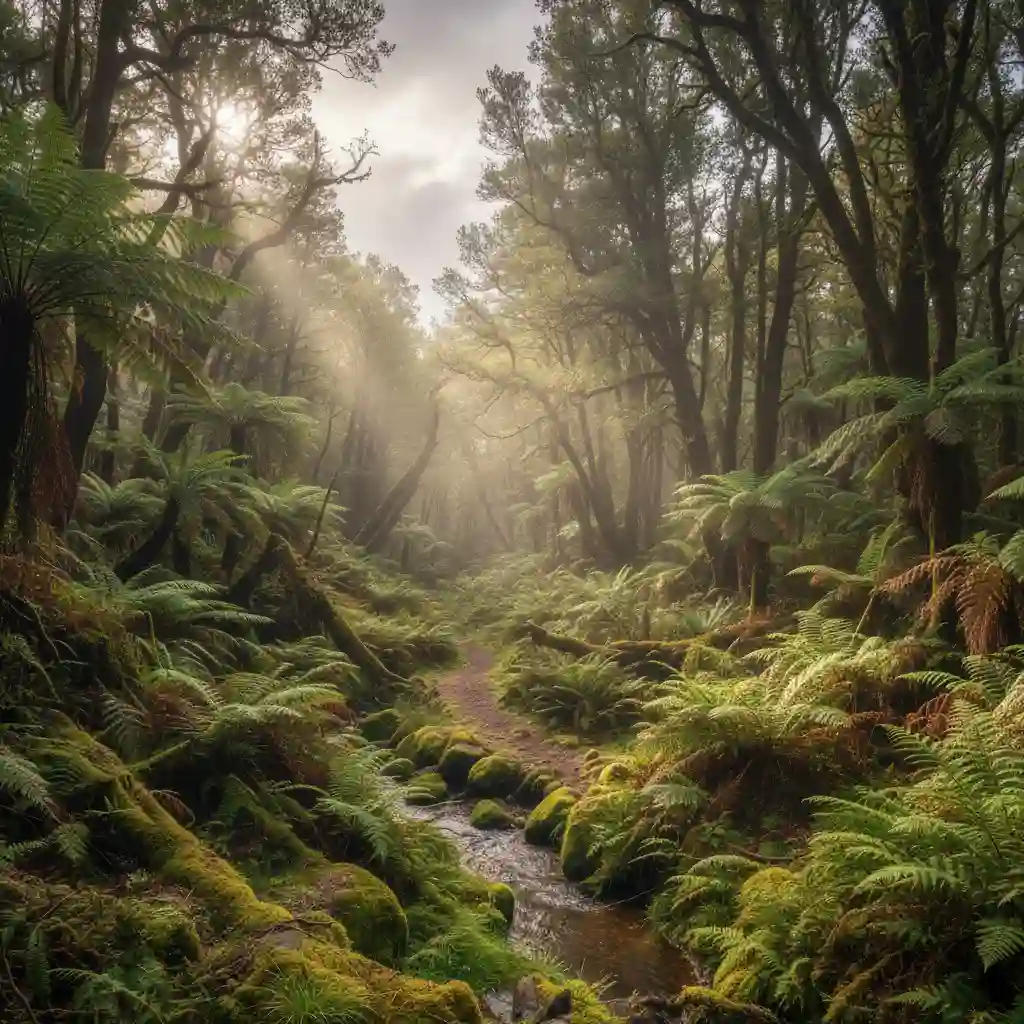
When the adrenal glands are fatigued, the body is stuck in a sympathetic nervous system response (fight or flight). In Te Ao Māori, this is a disruption of the natural rhythm. The remedy requires a return to Papatūānuku (Earth Mother) to ground that excess energy and replenish the spirit. The goal is not just ‘energy’ in the caffeinated sense, but ‘vitality’ in the spiritual sense.
Key Rākau (Plants) for Nervous System Regulation
The native forests of Aotearoa (New Zealand) provide a pharmacopoeia of plants that are uniquely suited to treating the symptoms of adrenal fatigue and stress. While many associate Rongoā with physical wounds, specific rākau are potent nervines and adaptogens.
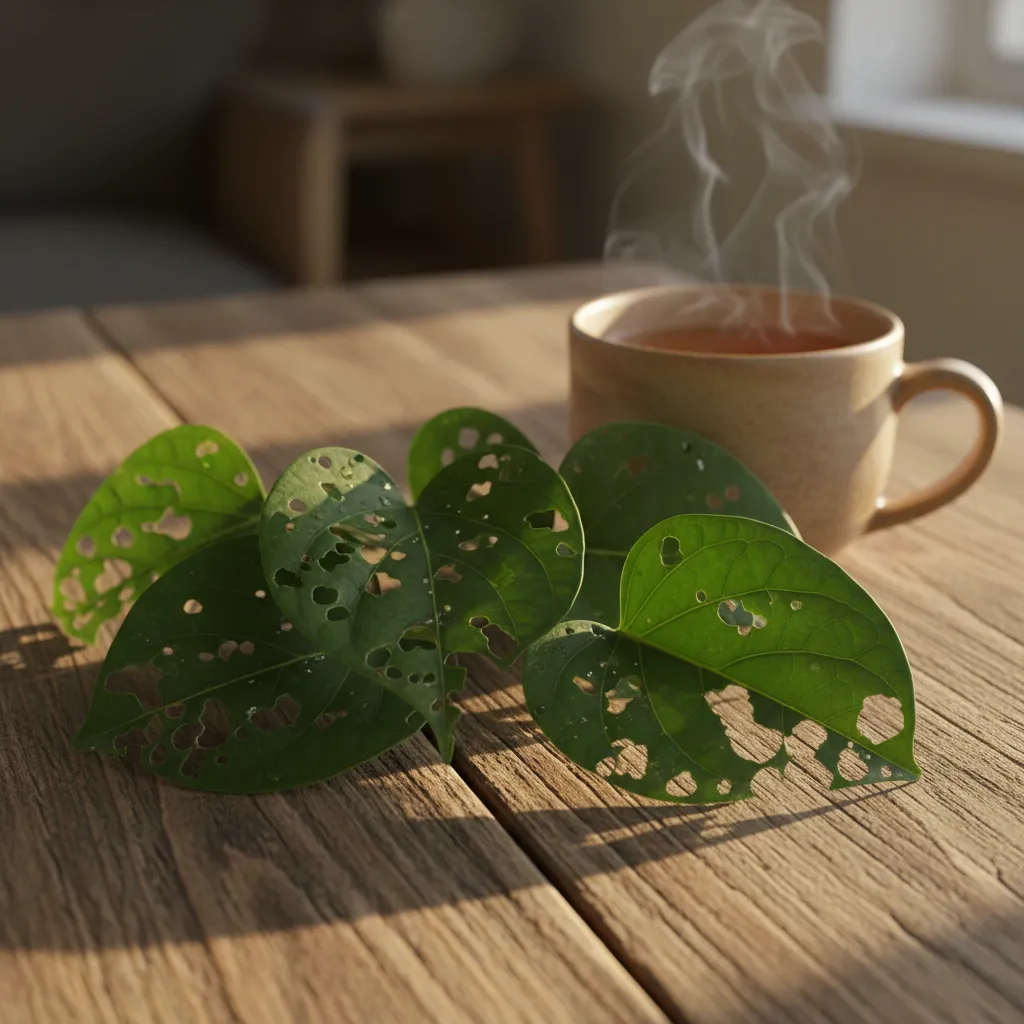
Kawakawa (Piper excelsum)
Often referred to as the “pharmacy of the forest,” Kawakawa is the most ubiquitous healing plant in Rongoā Māori. For burnout, its value lies in its ability to reduce inflammation—a common side effect of chronic cortisol elevation. Kawakawa is a heart tonic; it is said to heal the ngākau (the heart/emotions). Drinking Kawakawa tea acts as a blood purifier and aids digestion, which often shuts down during periods of high stress.
Kumarahou (Pomaderris kumeraho)
Known as “gum digger’s soap,” Kumarahou is a powerful detoxifier. Adrenal fatigue often places a heavy burden on the liver and kidneys as the body attempts to process excess stress hormones. Kumarahou supports the respiratory system and the liver, helping to clear the physical toxicity that accumulates during burnout. It is bitter, and in Rongoā, the bitter taste is often associated with the stimulation of digestive fires and the clearing of stagnation.
Manuka (Leptospermum scoparium)
While famous for its honey, the leaves and bark of the Manuka tree are powerful rongoā. Manuka has sedative and calming properties when prepared correctly. A infusion of Manuka bark can be used to soothe the nervous system and promote deep sleep, which is the cornerstone of recovering from adrenal fatigue.
Akeake (Dodonaea viscosa)
The name Akeake implies “forever and ever.” It is a tree known for its resilience and hardness. In a Rongoā context for burnout, Akeake is sometimes used not just physically, but metaphorically to instill resilience and fortitude in a person whose spirit is wavering. Preparations may be used to reduce fever and inflammation, cooling the “heat” of burnout.
The Role of Mirimiri in Releasing Physical Stress
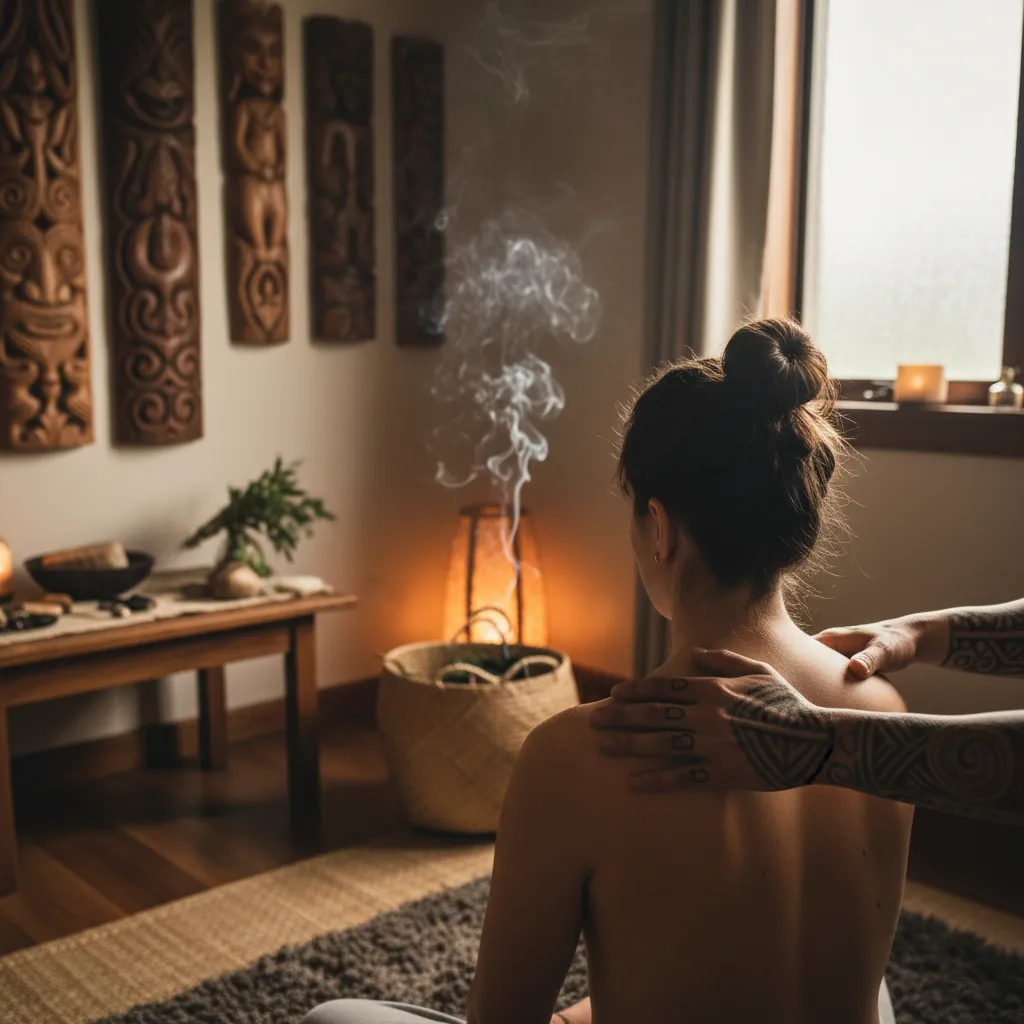
While Rākau addresses the internal chemistry, Mirimiri addresses the structural and energetic blockage. It is a common misconception to equate Mirimiri solely with massage. While it involves bodywork, it is fundamentally an energy exchange intended to release trauma and stress held within the cellular memory.
Burnout manifests physically as tension in the shoulders, jaw, and lower back. However, traditional healers view this tension as trapped energy or unexpressed emotion. Mirimiri (and the deeper Romiromi) works on the central nervous system to switch the body from sympathetic dominance (fight/flight) to parasympathetic dominance (rest/digest).
During a session for burnout, a practitioner may focus on:
- Clearing the Whatumanawa: The emotional heart center, often guarded and tight in burnt-out professionals.
- Grounding through the Waewae: Working on the feet and legs to reconnect the person to the earth, drawing excess mental energy (heady energy) down and out.
- Spinal Release: Encouraging the flow of cerebrospinal fluid and energy up and down the spine, which is often termed the “highway of life.”
Wairuatanga: Spiritual Grounding and Connection
One cannot discuss Rongoā Māori for burnout without addressing Wairuatanga (spirituality). Burnout is frequently a symptom of disconnection—disconnection from purpose, from nature, and from ancestors.
Recovery involves Whakawātea (clearing). This can be achieved through:
- Karakia (Incantation/Prayer): Using sound vibration and intent to clear the mind and set a protective boundary around the individual. This mental discipline helps quiet the “monkey mind” associated with anxiety.
- Ngahere (The Bush): Simply being in the forest is a rongoā in itself. The Japanese call it “forest bathing”; Māori view it as reconnecting with Tāne Mahuta. The biophilia effect of being among native plants lowers cortisol levels naturally.
- Wai (Water): Immersion in cold water (sea or river) is a traditional method to reset the nervous system, shock the body into presence, and wash away spiritual heaviness (hāra).
Safety Guidelines and Regulatory Compliance
In the context of the modern regulatory landscape, specifically regarding the Therapeutic Products Bill and the Medicines Act in New Zealand, it is vital to approach Rongoā with a professional understanding of safety, especially when combining traditional remedies with Western pharmaceuticals.
Herb-Drug Interactions:
Individuals suffering from burnout are often prescribed SSRIs (antidepressants), beta-blockers, or sleep aids. While Rongoā is natural, it is chemically active.
- Kawakawa: Generally considered safe, but due to its slight blood-thinning properties, caution is advised if the patient is on Warfarin or aspirin.
- Kumarahou: Because of its saponin content and impact on the liver, it can alter the metabolism of certain drugs. It should be taken at least two hours apart from prescription medication.
- St. John’s Wort (Hypericum perforatum): While not a native plant, it is often used in natural health. However, in a Rongoā context, we focus on native alternatives. If a patient is using non-native herbs alongside Rongoā, interactions with SSRIs can cause Serotonin Syndrome.
The Tohunga Suppression Act Legacy:
Historically, the Tohunga Suppression Act 1907 outlawed traditional healing practices, driving them underground. Today, the resurgence of Rongoā is protected under Te Tiriti o Waitangi. However, practitioners must be careful not to make “medical claims” (e.g., “this cures depression”) to remain compliant with current advertising standards. The focus must remain on “supporting,” “assisting,” and “facilitating” the body’s natural healing process.

Finding a Qualified Rongoā Practitioner
Because Rongoā involves spiritual and physical manipulation, it is crucial to seek a practitioner who is not only knowledgeable about plants but also culturally mandated and safe. Look for registration with bodies such as Te Kāhui Rongoā (the national collective of Māori healers).
A legitimate practitioner will always conduct a whakawhanaungatanga (building connection) consultation before treatment to understand your medical history, your whakapapa (if applicable), and your current state of hauora (health). They will respect the boundary between Western clinical intervention and traditional holistic support, often working in complementary ways rather than adversarial ones.
Burnout is a signal that the vessel is empty. Rongoā Māori offers a time-tested, deeply rooted methodology to refill that vessel, not just with energy, but with connection, purpose, and mauri.
What is the Māori medicine for anxiety?
Kawakawa is frequently used to support the nervous system and settle the stomach, which often holds anxiety. Additionally, spiritual practices like Karakia (prayer) and Mirimiri (bodywork) are essential components of the Māori approach to treating anxiety.
How does Mirimiri help with stress?
Mirimiri is a form of bodywork that goes beyond Swedish massage by addressing energy blockages. It helps release stored trauma and tension from the muscles and tissues, shifting the body from a sympathetic (stress) state to a parasympathetic (healing) state.
Can I take Kawakawa with antidepressants?
Generally, Kawakawa is considered safe, but it is chemically active. It is always recommended to consult with a medical professional or a knowledgeable Rongoā practitioner before combining herbal remedies with prescription SSRIs to avoid potential interactions.
What is the difference between Rongoā and Western medicine?
Western medicine typically treats specific symptoms or pathogens in isolation. Rongoā Māori is holistic, treating the person as a whole entity where physical ailments are often seen as manifestations of spiritual, emotional, or family imbalances.
How do I find a registered Rongoā practitioner?
You can look for practitioners registered with Te Kāhui Rongoā, the national professional body for Māori healers in New Zealand. This ensures the practitioner adheres to safety standards and cultural tikanga.
Is Rongoā Māori scientifically proven?
Many plants used in Rongoā, such as Kawakawa and Manuka, have been studied scientifically and found to contain anti-inflammatory, antimicrobial, and analgesic compounds. However, the spiritual efficacy of the practice (Wairuatanga) operates outside standard Western scientific measurement.