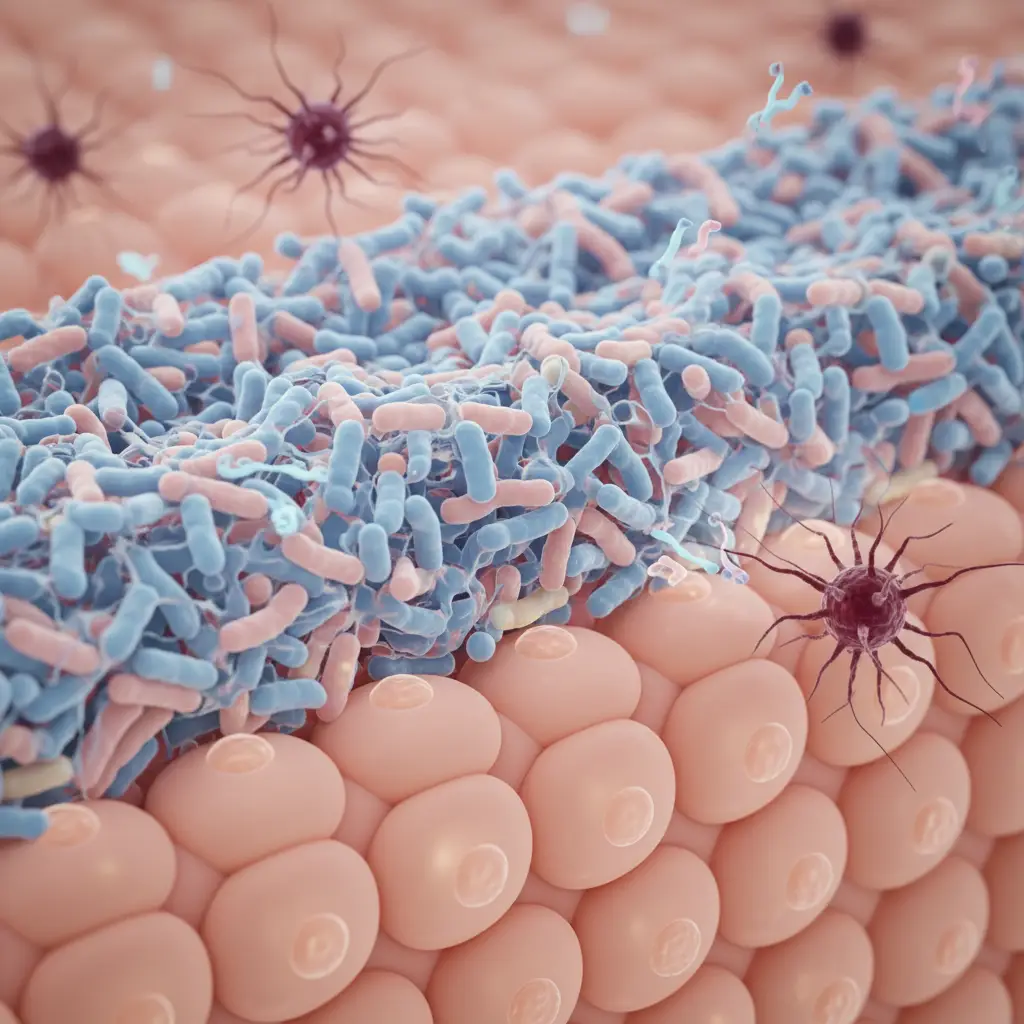
Koromiko (Hebe salicifolia/stricta), a revered plant in Rongoā Māori, offers significant benefits for gut health by acting as a powerful natural astringent and anti-inflammatory agent. Traditionally used to soothe digestive inflammation, combat dysentery, and alleviate symptoms of irritable bowel syndrome (IBS), its therapeutic properties support a balanced gut microbiome and intestinal integrity, making it a valuable ally in managing various digestive ailments and contributing to overall well-being.
The Gut as the Center of Health (Puku)
In both ancient wisdom traditions and modern scientific understanding, the gut, or “puku” in Māori, is unequivocally recognised as a foundational pillar of human health. Far beyond its primary role in digestion and nutrient absorption, the gut plays an intricate part in immunity, mental well-being, and overall physiological balance. From a Rongoā Māori perspective, a healthy puku signifies a harmonious connection with the physical and spiritual self, reflecting an internal state of well-being that radiates outwards. Disruptions in gut health are often seen as imbalances, requiring holistic approaches to restore equilibrium.
The Gut Microbiome: A Complex Ecosystem
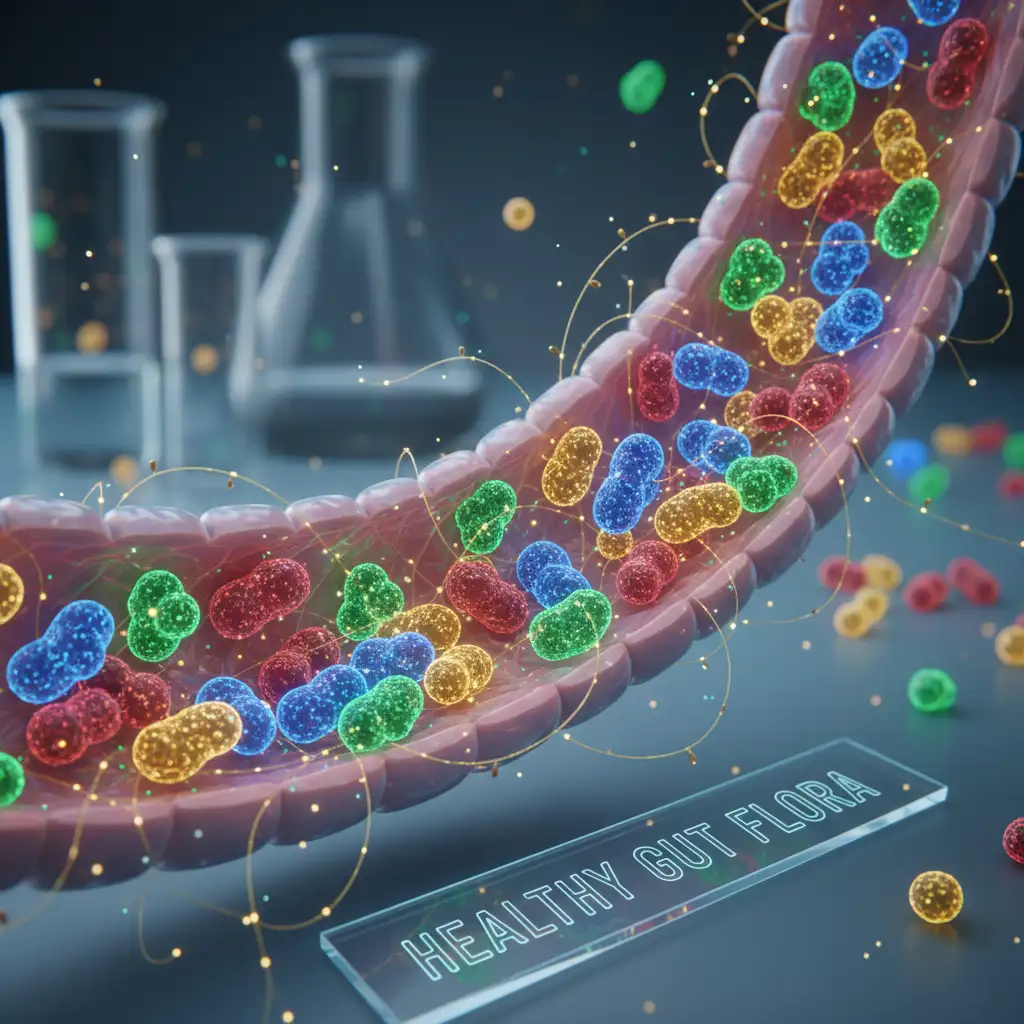
At the heart of modern gut health discourse lies the gut microbiome – a vast, complex ecosystem of trillions of microorganisms, including bacteria, viruses, fungi, and archaea. These microbes reside primarily in the large intestine and perform a multitude of critical functions that extend far beyond digestion. A diverse and balanced microbiome is essential for synthesising vitamins, metabolising indigestible fibres into beneficial short-chain fatty acids (SCFAs) like butyrate, and protecting against pathogenic invaders. When this delicate balance, known as eubiosis, is disturbed, dysbiosis can ensue, leading to a cascade of health issues.
Gut-Brain Axis: The Second Brain
The profound connection between the gut and the brain, often termed the gut-brain axis, highlights the bidirectional communication system that links the central nervous system with the enteric nervous system (ENS) in the gut. This communication occurs via neural pathways (like the vagus nerve), hormonal signals, and microbial metabolites. Scientific research increasingly demonstrates that the state of our gut profoundly influences mood, cognitive function, and susceptibility to neurological disorders. Stress, anxiety, and depression can manifest as digestive symptoms, just as an unhealthy gut can exacerbate mental health challenges.
Digestive Autoimmunity: When the Gut Attacks Itself
Autoimmune diseases, conditions where the body’s immune system mistakenly attacks its own healthy tissues, are on the rise globally. The gut is implicated in a significant number of these conditions, particularly those affecting the digestive tract, such as Crohn’s disease and ulcerative colitis, collectively known as Inflammatory Bowel Disease (IBD). The “leaky gut” hypothesis suggests that increased intestinal permeability, where the tight junctions between intestinal cells become compromised, allows undigested food particles, toxins, and microbes to leak into the bloodstream. This triggers an immune response, potentially leading to chronic inflammation and autoimmunity not just in the gut but systemically. Understanding and addressing gut integrity is therefore paramount in managing or preventing autoimmune conditions.
Koromiko: The Premier Plant for Dysentery and IBS
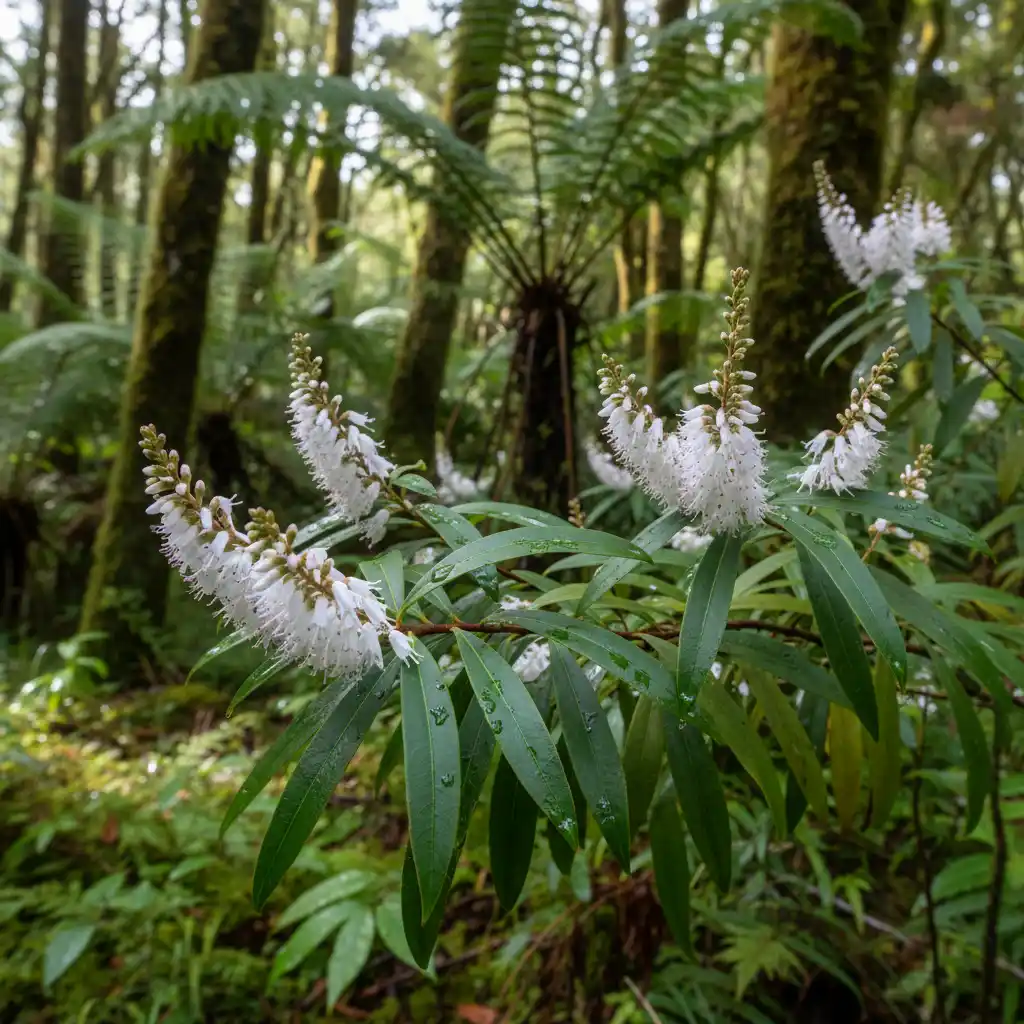
Among the vast pharmacopoeia of Rongoā Māori, Koromiko (typically referring to Hebe salicifolia or Hebe stricta, though several species are used) stands out as a revered and potent medicinal plant, particularly for its efficacy in treating digestive ailments. Known for its distinct lance-shaped leaves and delicate white or pale purple flowers, Koromiko has been a staple in traditional Māori healing for centuries, primarily prized for its astringent and anti-inflammatory properties that directly address gut distress.
Traditional Uses in Rongoā Māori
The traditional use of Koromiko by Māori healers, or tohunga, focused predominantly on its remarkable ability to soothe and heal the digestive system. It was the premier remedy for dysentery (kōroke), diarrhoea, and other forms of acute intestinal discomfort. The leaves were typically steeped in water to create an infusion, or “wai-rakau,” which was then consumed. This preparation was highly effective in tightening loose bowels, reducing inflammation in the gut lining, and helping to restore intestinal balance. Its bitter taste was also believed to stimulate digestive secretions, aiding overall digestion.
Scientific Insights into Koromiko’s Efficacy
Modern scientific investigation is beginning to corroborate the long-held traditional wisdom surrounding Koromiko. The plant is rich in bioactive compounds, including tannins, flavonoids, and iridoid glycosides. Tannins are well-known for their astringent properties, meaning they can contract tissues and reduce secretions, which explains Koromiko’s effectiveness against diarrhoea. They help to form a protective layer over inflamed mucous membranes in the gut, thereby reducing irritation and promoting healing. Flavonoids contribute to its anti-inflammatory and antioxidant effects, helping to mitigate the cellular damage caused by inflammation.
Furthermore, some research suggests that Koromiko may possess antimicrobial properties, potentially helping to manage gut dysbiosis by inhibiting the growth of certain pathogenic bacteria while supporting beneficial flora. This multifaceted action makes Koromiko a promising botanical for conditions like Irritable Bowel Syndrome (IBS), where symptoms often include chronic diarrhoea, abdominal pain, and inflammation. By reducing inflammation, firming stools, and potentially balancing the gut microbiome, Koromiko offers a natural approach to alleviating IBS symptoms and improving quality of life for sufferers.
Integrating Koromiko into Modern Gut Health Protocols
For individuals exploring integrative health solutions for digestive issues, Koromiko presents a compelling option. It can be consumed as a tea (infusion of fresh or dried leaves), or incorporated into tinctures or capsules derived from the plant. When considering its use, it is always advisable to consult with a qualified Rongoā practitioner or a healthcare professional experienced in herbal medicine to ensure appropriate dosage and to rule out any potential interactions with existing medications. Its gentle yet effective action makes it a suitable candidate for long-term support in chronic conditions, as part of a broader holistic approach to gut healing.
Managing Crohn’s and Colitis Symptoms Naturally
Crohn’s disease and ulcerative colitis, collectively known as Inflammatory Bowel Diseases (IBD), are chronic, debilitating autoimmune conditions characterised by severe inflammation of the digestive tract. While conventional medical treatments are crucial for managing acute flare-ups and preventing complications, an integrative approach that incorporates natural strategies can significantly enhance quality of life, reduce symptom severity, and support long-term remission. This involves a synergistic combination of dietary modifications, stress management, targeted supplementation, and the judicious use of supportive botanicals like Koromiko.
Dietary Strategies for IBD
Diet plays a pivotal role in managing IBD. While there isn’t a single “IBD diet” that works for everyone, general principles revolve around reducing inflammation and supporting gut healing. An anti-inflammatory diet, rich in whole, unprocessed foods, can be highly beneficial. This typically includes:
- Avoiding Trigger Foods: Common triggers include processed foods, high-sugar items, artificial sweeteners, excessive dairy, gluten (for some individuals), and spicy foods. Keeping a food diary can help identify personal triggers.
- Increasing Soluble Fibre: During remission, soluble fibre from foods like oats, bananas, and apples can help regulate bowel movements and feed beneficial gut bacteria. During flares, a low-residue diet might be recommended to reduce bowel irritation.
- Omega-3 Fatty Acids: Found in fatty fish (salmon, mackerel), flaxseeds, and walnuts, omega-3s possess potent anti-inflammatory properties that can help mitigate intestinal inflammation.
- Probiotic-Rich Foods: Fermented foods like sauerkraut, kimchi, and kefir (if tolerated) can introduce beneficial bacteria to the gut, supporting microbiome balance.
Stress Management and the Gut-Brain Connection
Stress is a known exacerbating factor for IBD symptoms. The gut-brain axis ensures that psychological stress directly impacts gut function and inflammation. Therefore, effective stress management is an indispensable component of an integrative IBD protocol. Techniques such as mindfulness meditation, yoga, deep breathing exercises, spending time in nature (often referred to as “forest bathing” or rongoā wairua in Māori context), and ensuring adequate sleep can significantly reduce stress levels, calm the nervous system, and positively influence gut health. Engaging in activities that bring joy and foster social connection also contributes to mental and physical resilience.
Targeted Supplementation
Specific supplements can provide crucial support for individuals with IBD:
- Vitamin D: Many IBD patients are deficient in Vitamin D, which plays a critical role in immune regulation and reducing inflammation.
- Curcumin: The active compound in turmeric, curcumin is a powerful anti-inflammatory and antioxidant that has shown promise in reducing IBD symptoms.
- Boswellia (Frankincense): This herb has anti-inflammatory properties and has been used traditionally for various inflammatory conditions.
- L-Glutamine: An amino acid that is vital for gut barrier function and may help repair the intestinal lining.
- Omega-3 Fish Oil: As mentioned, supplemental omega-3s can provide concentrated anti-inflammatory benefits.
The Supportive Role of Koromiko in IBD Management
While Koromiko is not a cure for IBD, its traditional use and observed properties suggest it can play a valuable supportive role in managing symptoms. Its astringent qualities can help reduce the frequency and severity of diarrhoea, a common and distressing symptom of both Crohn’s and Colitis. Furthermore, its anti-inflammatory actions can contribute to reducing the chronic inflammation that characterises these conditions. Used alongside prescribed medications and other natural therapies, Koromiko can be a gentle, natural adjunct to an IBD management plan, helping to soothe the digestive tract and promote mucosal healing. As with any herbal remedy in the context of chronic illness, careful integration under professional guidance is paramount.

Prebiotic Properties of Native Root Vegetables
Beyond specific medicinal plants like Koromiko, the broader traditional Māori diet, rich in native root vegetables, offers profound benefits for gut health, particularly through its contribution of prebiotics. Prebiotics are non-digestible fibres that selectively stimulate the growth and activity of beneficial bacteria in the gut. By nourishing these commensal microbes, prebiotics foster a thriving gut microbiome, which in turn supports immune function, improves digestion, and contributes to overall metabolic health. The traditional diet of Aotearoa (New Zealand) was naturally abundant in these vital compounds, offering a template for modern integrative approaches.
Understanding Prebiotics and Their Role
Unlike probiotics, which introduce live beneficial bacteria to the gut, prebiotics act as food for the existing good bacteria. When gut microbes ferment prebiotics, they produce beneficial short-chain fatty acids (SCFAs) such as butyrate, acetate, and propionate. Butyrate, in particular, is a primary energy source for the cells lining the colon, helping to maintain gut barrier integrity and reduce inflammation. A diet rich in prebiotics can lead to a more diverse and resilient microbiome, which is crucial for preventing dysbiosis and supporting a healthy immune system.
Kūmara (Sweet Potato): A Staple Prebiotic
Kūmara (Ipomoea batatas), the Māori sweet potato, was a cornerstone of the traditional Māori diet and remains a beloved food today. While not strictly a “native” plant (it was introduced by early Polynesian navigators), it has been cultivated in Aotearoa for centuries and is deeply integrated into Māori culture and traditional food systems. Kūmara is an excellent source of dietary fibre, including both soluble and insoluble types. Its high fibre content, particularly resistant starch when cooked and cooled, acts as a potent prebiotic, feeding beneficial gut bacteria. Furthermore, Kūmara is rich in vitamins, minerals, and antioxidants, contributing to its overall health-promoting properties.
Other Native Root Vegetables with Prebiotic Potential
While extensive scientific research specifically on the prebiotic compounds of all native New Zealand root vegetables is ongoing, traditional knowledge and general nutritional profiles suggest several others likely offer similar gut-benefiting fibres:
- Tātarāmoa (Bush Lawyer, Rubus cissoides): Although primarily known for its thorny vines, the young shoots and roots were traditionally consumed. Many plants in the Rubus genus are known for their fibre content and various bioactive compounds that can support gut health.
- Perei (New Zealand Yam, Dioscorea alata): A traditional food source, Perei would have provided complex carbohydrates and dietary fibre, contributing to a diverse gut flora.
- Raupō (Bulrush, Typha orientalis): The rhizomes (underground stems) of raupō were traditionally eaten, providing starch and fibre.
- Fern Roots (e.g., Pteridium esculentum, rarauhe): Various fern roots were staples, offering dense nutrition and complex carbohydrates that act as prebiotics.
Incorporating these traditional foods, where accessible and safe, into a modern diet offers a culturally resonant and nutritionally rich way to support gut health. The emphasis in Rongoā Māori on consuming whole, natural foods from the land (te whenua) aligns perfectly with the principles of fostering a healthy and diverse gut microbiome.

Holistic Integration for Gut Well-being
The lessons from Rongoā Māori and integrative health approaches underscore that optimal gut health is not achieved through isolated interventions but through a holistic interplay of diet, lifestyle, and spiritual connection. By embracing the therapeutic power of plants like Koromiko, nurturing the microbiome with prebiotic-rich native foods, managing stress, and maintaining a balanced lifestyle, individuals can build resilience against digestive autoimmunity and cultivate profound overall well-being. The traditional Māori understanding of puku as the core of health offers timeless wisdom for navigating modern health challenges.
People Also Ask
What is Koromiko traditionally used for?
Koromiko is traditionally used in Rongoā Māori primarily for digestive ailments such as dysentery, diarrhoea, and general stomach upsets. Its leaves are typically prepared as an infusion or tea due to their astringent and anti-inflammatory properties, which help to soothe the gut lining and firm stools.
How does gut health relate to autoimmunity?
Gut health is intimately linked to autoimmunity. A compromised gut barrier, often referred to as “leaky gut,” can allow undigested food particles and toxins to enter the bloodstream, triggering an immune response. This chronic immune activation can contribute to systemic inflammation and the development or exacerbation of autoimmune conditions, including those affecting the digestive tract like Crohn’s and Colitis.
Can diet impact Crohn’s disease?
Yes, diet significantly impacts Crohn’s disease. While diet alone cannot cure Crohn’s, an anti-inflammatory diet, rich in whole foods and avoiding personal triggers like processed foods or certain dairy products, can help manage symptoms, reduce inflammation, and support gut healing. Specific dietary approaches, often guided by a healthcare professional, are crucial for managing flares and maintaining remission.
What are Rongoā Māori principles for digestive health?
Rongoā Māori principles for digestive health emphasise a holistic approach, viewing the “puku” (gut) as central to overall well-being. This includes consuming natural, locally sourced foods (kai) from the land (te whenua), using medicinal plants like Koromiko, practicing stress reduction (rongoā wairua), and maintaining a balanced lifestyle that respects the interconnectedness of mind, body, and spirit.
Are native New Zealand plants beneficial for the gut microbiome?
Many native New Zealand plants and traditional food sources, particularly root vegetables like Kūmara and other fern roots, are rich in dietary fibre and complex carbohydrates that act as prebiotics. These compounds nourish beneficial gut bacteria, promoting a diverse and healthy microbiome. Medicinal plants like Koromiko also offer direct therapeutic effects that support gut balance.
How can I support my gut health naturally?
Supporting gut health naturally involves a multi-faceted approach: consuming a diverse, whole-food diet rich in prebiotics and fermented foods; managing stress through mindfulness and relaxation; ensuring adequate sleep; staying hydrated; engaging in regular physical activity; and potentially incorporating supportive herbal remedies like Koromiko under professional guidance.