
Rongoā Māori, the traditional Māori system of healing, offers a profound, holistic framework for understanding and addressing autoimmune and inflammatory conditions. Rooted in ancient wisdom, it emphasizes the interconnectedness of mind, body, spirit, and environment, providing unique perspectives and natural remedies that aim to restore balance and support the body’s inherent capacity for wellness.
Autoimmunity from a Holistic Māori Perspective
The Māori worldview of health, known as hauora, is inherently holistic and encompasses four dimensions: taha tinana (physical health), taha hinengaro (mental and emotional health), taha wairua (spiritual health), and taha whānau (family and social health). From this perspective, an autoimmune condition is not merely a physical ailment but a manifestation of imbalance across these interconnected aspects. Rongoā Māori practitioners, known as tohunga rongoā, believe that when these dimensions are not in harmony, the body’s natural life force, or mauri, can become depleted or disrupted, leading to illness.
Understanding autoimmunity through a Māori lens involves looking beyond symptoms to identify the root causes of imbalance. This might include exploring stressors in one’s life (hinengaro), disconnections from cultural identity or spiritual well-being (wairua), or issues within one’s family and community (whānau). The concept of ‘tapu’ (sacredness) and ‘noa’ (ordinary, free from tapu) also plays a role, with health being maintained when the balance between these forces is respected. An autoimmune condition could be interpreted as the immune system, which is inherently protective and ‘tapu,’ becoming ‘noa’ or disordered, attacking the very body it is meant to safeguard.
The emphasis is always on restoring equilibrium. This involves not only the physical application of rongoā rākau (plant medicines) but also karakia (prayers/incantations), mirimiri (massage), and actively engaging with one’s cultural heritage to strengthen personal and collective identity. This comprehensive approach acknowledges that healing is a journey involving all facets of an individual’s existence, making it particularly potent for complex conditions like autoimmunity.
The Role of Inflammation in Chronic Disease
Inflammation is the body’s natural response to injury or infection, a critical process for healing and protection. However, when this response becomes chronic, it can become a destructive force, contributing significantly to the development and progression of autoimmune diseases, cardiovascular conditions, metabolic disorders, and even neurodegenerative illnesses. In autoimmune diseases, the immune system mistakenly attacks healthy tissues, and chronic inflammation is a hallmark of this misdirected response, perpetuating tissue damage and symptoms.
From a Rongoā Māori perspective, chronic inflammation can be viewed as an extended state of mamae (pain, suffering, distress) within the body, reflecting a deeper disharmony. While Western medicine focuses on biochemical pathways and inflammatory markers, Rongoā Māori seeks to address the underlying energetic and spiritual imbalances that allow inflammation to persist. The body’s mauri, when strong and clear, is believed to enable efficient healing processes, including the appropriate resolution of inflammation. When mauri is compromised, the body may struggle to switch off inflammatory responses, leading to chronic states.
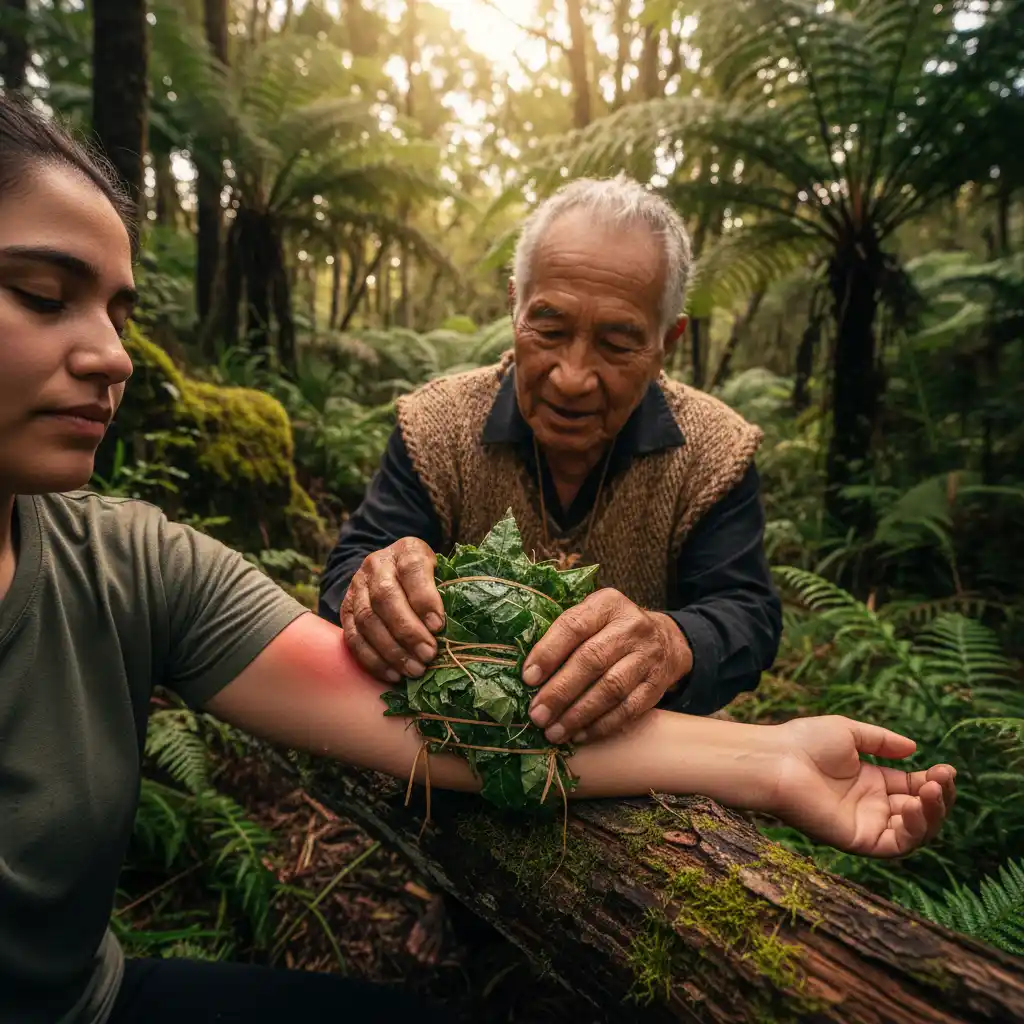
Addressing inflammation through Rongoā Māori involves a multi-pronged approach. It’s not just about suppressing symptoms but about supporting the body’s inherent intelligence to self-regulate. This includes the use of specific rongoā rākau known for their anti-inflammatory properties, alongside practices that promote emotional release and spiritual grounding, thereby helping to calm the nervous system and reduce physiological stress, which are known drivers of inflammation.
Top Native Anti-Inflammatory Plants (Rongoā Rākau)
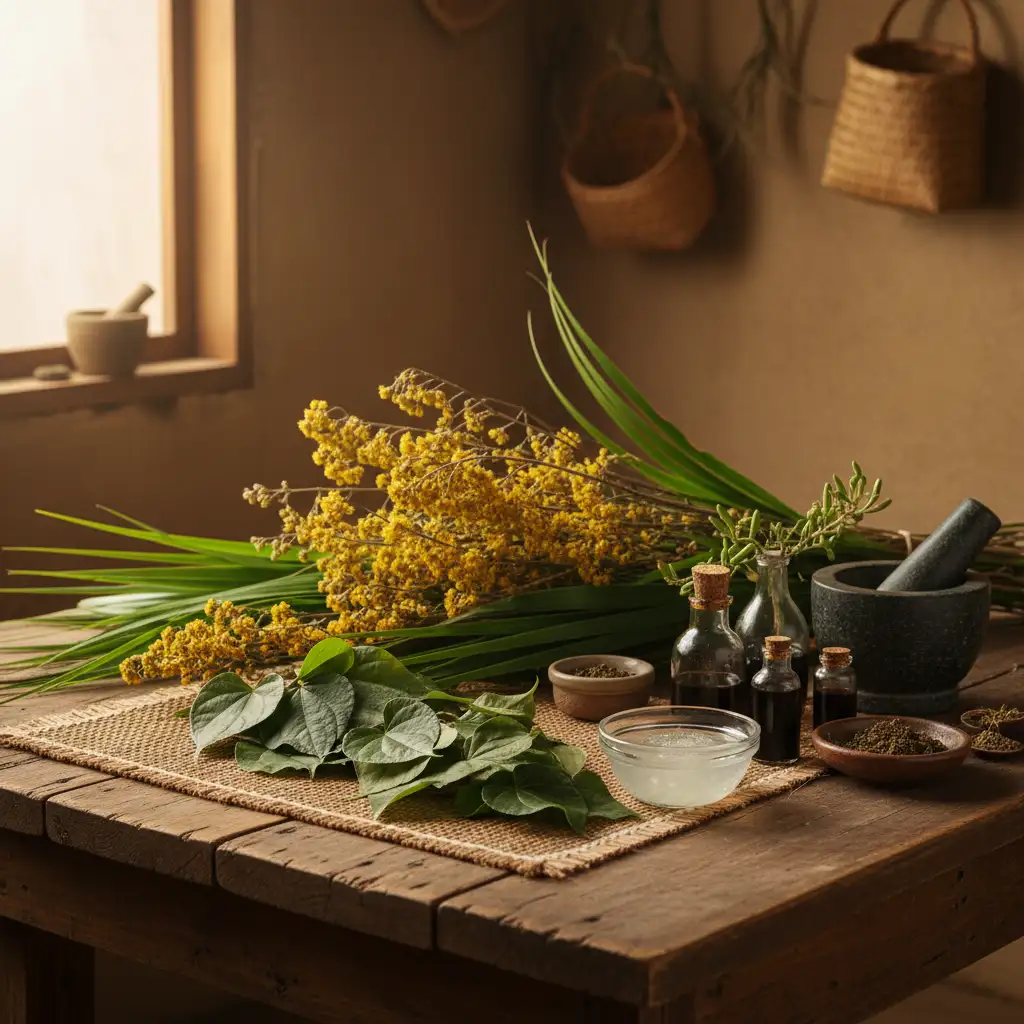
New Zealand’s native flora is rich with plants traditionally used in Rongoā Māori for their medicinal properties, many of which possess significant anti-inflammatory and immunomodulatory effects. These rongoā rākau are often prepared as infusions, poultices, balms, or compresses, and their efficacy is believed to stem not only from their chemical constituents but also from the wairua (spirit) of the plant itself, and the careful karakia (incantations) that accompany their harvesting and preparation.
Kawakawa (Macropiper excelsum)
Perhaps one of the most revered plants in Rongoā Māori, Kawakawa is often called ‘the aspirin of the bush.’ Its heart-shaped leaves are rich in compounds like myristicin and lignans, which have demonstrated potent anti-inflammatory and analgesic properties. Traditionally, Kawakawa leaves are chewed, made into a tea (infusion) for internal inflammation, or used as a poultice on skin irritations, wounds, and painful joints. For autoimmune conditions, a daily Kawakawa tea can help soothe systemic inflammation and support digestive health, which is crucial for immune regulation.
Harakeke (Phormium tenax – New Zealand Flax)
While best known for its fibers, Harakeke also holds significant medicinal value. The gel-like sap from the base of the leaves, known as wai harakeke, is a powerful anti-inflammatory and antiseptic. It’s traditionally applied topically to wounds, burns, and arthritic joints to reduce swelling and pain. Internally, preparations from Harakeke can support gut integrity and mucosal health, indirectly aiding in managing inflammation associated with autoimmune conditions.
Kūmarahou (Pomaderris kumeraho)
Kūmarahou is a remarkable respiratory and digestive tonic with notable anti-inflammatory actions. Traditionally used as a cleansing agent, it helps clear mucus from the lungs and acts as a liver and kidney stimulant, promoting detoxification. By supporting the body’s natural detoxification pathways, Kūmarahou can help reduce the overall inflammatory burden, which is beneficial for those managing autoimmune conditions. It is commonly prepared as a tea.
Mānuka (Leptospermum scoparium)
Famous globally for its unique honey, the Mānuka tree itself is a powerful medicinal plant. Its leaves and bark have strong antimicrobial, antioxidant, and anti-inflammatory properties. Mānuka oil, distilled from the leaves, is used topically for skin conditions and muscle pain. Internally, Mānuka infusions can help combat infections and reduce inflammation throughout the body, supporting immune balance.
Gut-Immune Connection and Traditional Māori Diets
Modern science increasingly recognizes the profound link between gut health and immune function, with the gut microbiome playing a pivotal role in regulating the immune system. A healthy and diverse gut microbiome is essential for distinguishing between harmful pathogens and harmless substances, preventing the immune system from becoming overactive or misdirected – a key factor in autoimmune diseases. Traditional Māori diets inherently supported this vital gut-immune axis long before modern scientific understanding emerged.
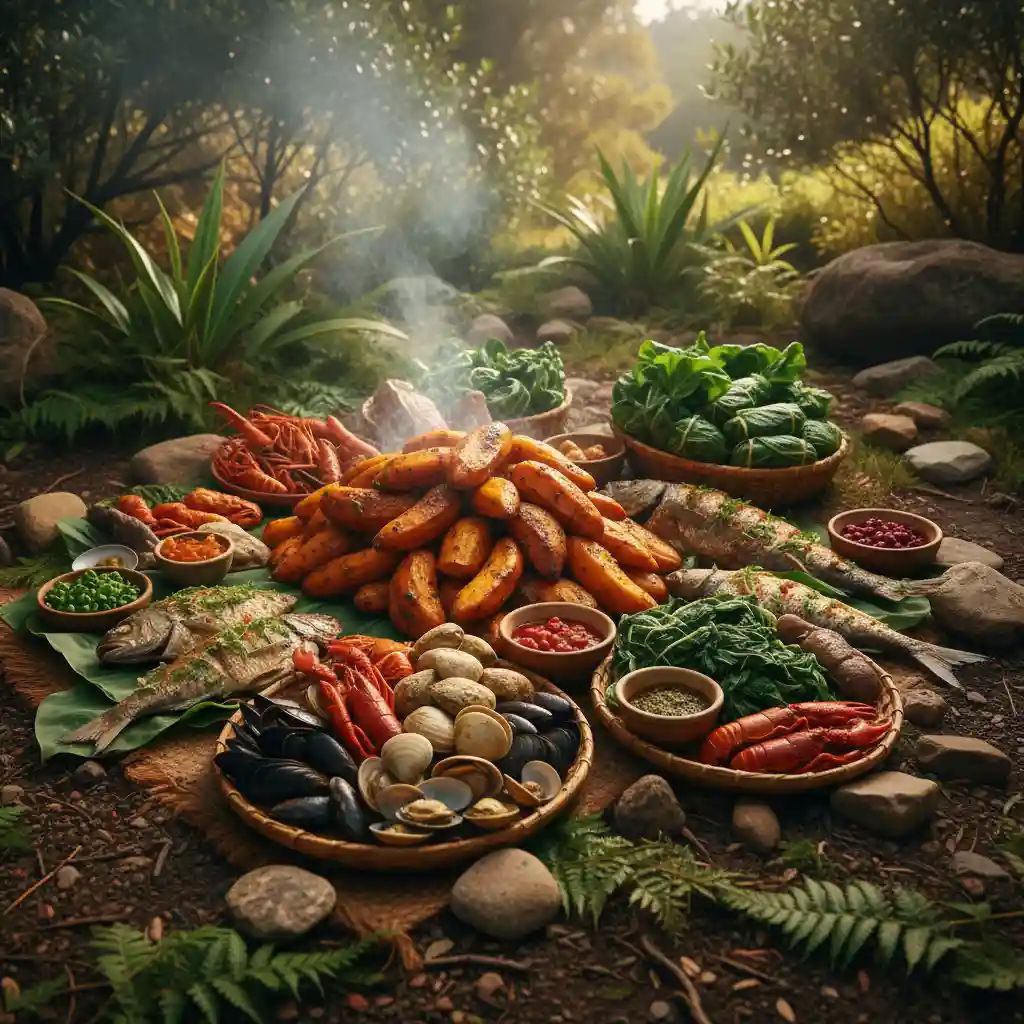
Traditional Māori kai (food) was centered around nutrient-dense, locally sourced ingredients. Kai moana (seafood), including fish, shellfish, and seaweed, provided essential omega-3 fatty acids, iodine, and trace minerals known to modulate inflammation. Kai whenua (foods from the land) included a variety of root vegetables like kūmara (sweet potato), taro, and ferns (harore), providing complex carbohydrates, fiber, and prebiotics that nourish beneficial gut bacteria. Berries and native fruits offered antioxidants and vitamins. Crucially, many traditional preparation methods, such as fermentation (e.g., preserving certain foods), would have further enriched the diet with probiotics, promoting a healthy microbial balance.
The emphasis on whole, unprocessed foods, gathered sustainably from the land and sea (te taiao), meant that traditional Māori people consumed a diet rich in fiber, diverse plant compounds, and essential nutrients, all of which contribute to a robust gut barrier and a balanced immune response. This lifestyle, deeply connected to nature and sustainable practices, fostered not only physical health but also spiritual and communal well-being, further reinforcing the body’s natural resilience against disease. Reconnecting with these traditional dietary principles offers a powerful strategy for managing autoimmune conditions today, complementing the use of Rongoā rākau.
Integrating Rongoā Māori into Modern Healthcare
For individuals living with autoimmune and inflammatory conditions, the prospect of integrating Rongoā Māori practices into their current healthcare regimen offers a compelling path towards comprehensive wellness. This approach does not advocate for replacing conventional medical treatments but rather for complementing them, creating a truly holistic and patient-centered healing journey. The wisdom of Rongoā Māori can provide profound support for symptoms management, emotional well-being, and overall quality of life, alongside prescribed medications and therapies.
The key to successful integration lies in open communication and collaboration between patients, Rongoā practitioners, and conventional healthcare providers. Seeking a qualified tohunga rongoā is paramount; these experienced healers can provide personalized guidance on specific plant medicines, mirimiri (traditional massage), karakia (prayers), and lifestyle adjustments that align with Rongoā principles. They understand how to safely incorporate traditional remedies, considering any potential interactions with Western medications or pre-existing health conditions.
Furthermore, engaging with Rongoā Māori offers more than just physical remedies; it provides cultural affirmation and spiritual grounding. For Māori individuals, this reconnection with ancestral healing practices can be deeply empowering, fostering a sense of identity and belonging that significantly contributes to healing. For non-Māori, it offers a respectful opportunity to engage with a rich, time-honoured system of health that promotes deep respect for nature and a holistic understanding of human well-being. The future of healthcare for complex conditions like autoimmunity lies in embracing such integrative models that honour diverse knowledge systems and prioritize the whole person.
By bridging the gap between ancient wisdom and modern science, individuals can harness the synergistic benefits of both worlds, moving towards a more balanced, resilient, and thriving state of health in the face of autoimmune challenges. This integrated approach not only addresses the physical manifestations of disease but also nourishes the spiritual, mental, and social dimensions, embodying the true essence of hauora.
People Also Ask (PAA)
What is Rongoā Māori?
Rongoā Māori is the traditional Māori system of healing, encompassing an holistic approach that integrates physical remedies (rongoā rākau – plant medicines), spiritual practices (karakia), traditional massage (mirimiri), and an emphasis on environmental and social well-being (hauora).
Can Rongoā Māori cure autoimmune diseases?
Rongoā Māori aims to restore balance and support the body’s natural healing capabilities, which can significantly improve symptoms and quality of life for individuals with autoimmune diseases. While it may not offer a ‘cure’ in the Western sense, it provides profound support for managing the condition and fostering overall wellness, often best used in conjunction with conventional medical care.
Which Rongoā plants are good for inflammation?
Several native New Zealand plants are renowned for their anti-inflammatory properties, including Kawakawa (Macropiper excelsum), Harakeke (Phormium tenax) sap, Kūmarahou (Pomaderris kumeraho), and Mānuka (Leptospermum scoparium). These are used in various preparations such as teas, poultices, and balms.
How does Rongoā Māori view the immune system?
From a Rongoā Māori perspective, the immune system is part of the body’s ‘mauri’ or life force, reflecting overall vitality. An autoimmune condition signifies an imbalance in this mauri, where the body’s protective mechanisms become disordered, often linked to imbalances across physical, mental, spiritual, and social well-being.
Is Rongoā Māori safe to use with Western medicine?
It is crucial to consult with a qualified tohunga rongoā and your conventional healthcare provider when integrating Rongoā Māori with Western medicine. Many traditional remedies are safe, but a knowledgeable practitioner can advise on appropriate usage and potential interactions to ensure a safe and effective integrative approach.
How does traditional Māori diet impact autoimmune conditions?
Traditional Māori diets, rich in whole, unprocessed foods like kai moana (seafood), kai whenua (root vegetables), and native fruits, are naturally high in anti-inflammatory omega-3s, fiber, antioxidants, and beneficial compounds. This nutrient-dense diet supports a healthy gut microbiome and a balanced immune response, which are crucial for managing autoimmune conditions.