
Rongoā Māori offers a deeply holistic and culturally affirming approach to navigating menopause, providing natural remedies and traditional wisdom for hormonal balance. This ancient Māori healing system utilizes native plants, dietary practices, and spiritual well-being to support women through this significant life transition, addressing symptoms like hot flashes and sleep disturbances while honoring the body’s natural rhythms.
Understanding Menopause Through a Māori Health Lens
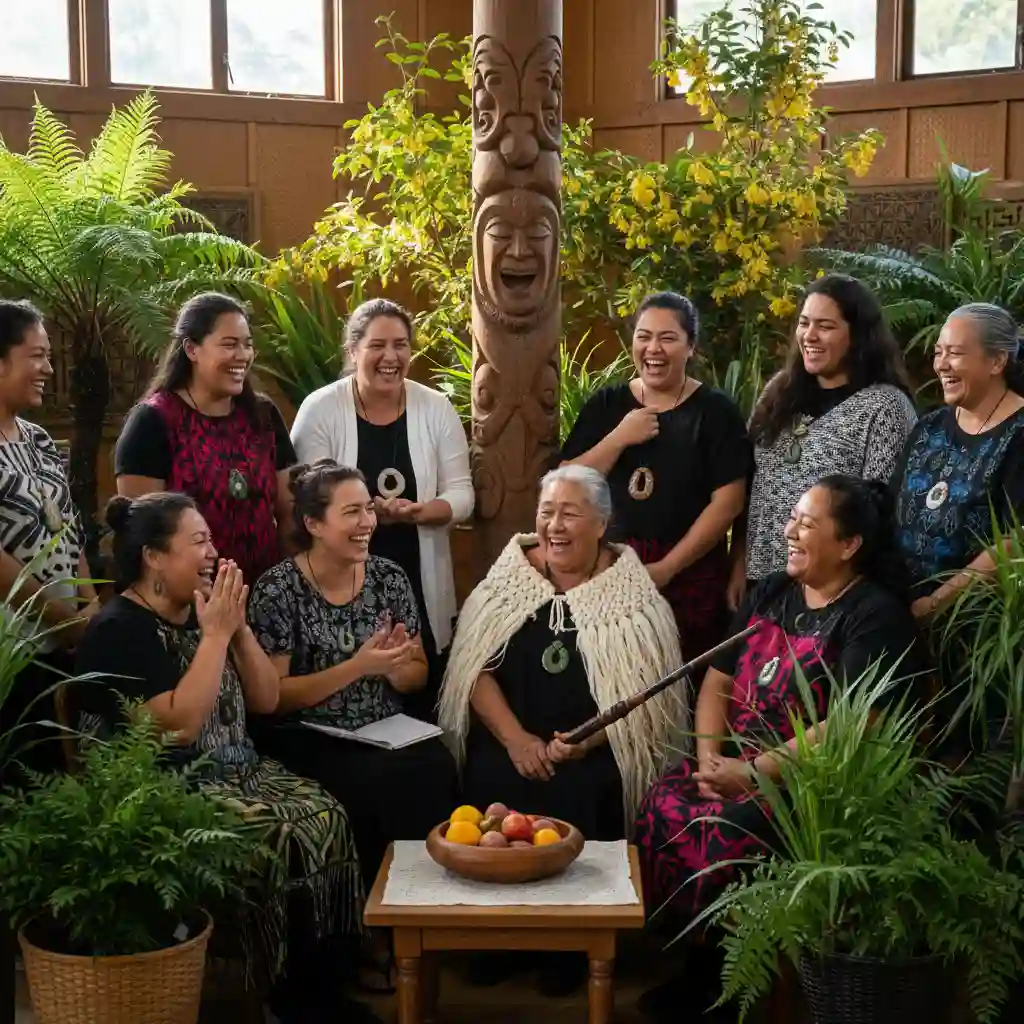
In traditional Māori society, menopause, or te huringa o te wahine (the changing of a woman), is not viewed as a medical condition requiring intervention but rather as a natural and sacred phase of a woman’s life. It is a time of transition, often associated with increased wisdom, spiritual growth, and a deeper connection to the community and whenua (land). Unlike Western perspectives that sometimes focus on symptoms as deficits, Rongoā Māori embraces this stage as an evolution, a time when a woman’s energy shifts from procreation to wisdom and leadership within her whānau (family) and hapū (sub-tribe).
The Māori health model, Te Whare Tapa Whā, conceptualizes well-being as a house with four walls: Taha Tinana (physical health), Taha Wairua (spiritual health), Taha Hinengaro (mental and emotional health), and Taha Whānau (family and social health). During menopause, imbalances in any of these areas can manifest as symptoms. Rongoā Māori addresses menopause holistically, recognizing that physical symptoms are often interconnected with emotional, spiritual, and social well-being. This perspective encourages self-awareness, mindfulness, and the active participation of the individual in their healing journey.
For example, hot flashes might be understood not only as a physical symptom of fluctuating hormones but also as an expression of internal heat related to unresolved emotions (Taha Hinengaro) or spiritual blockages (Taha Wairua). The Rongoā practitioner, or tohunga rongoā, would consider the entire person, their environment, and their whakapapa (genealogy) when recommending treatments, fostering a deeper sense of healing and balance.

Using Kumarahou and Harakeke for Hormonal Regulation
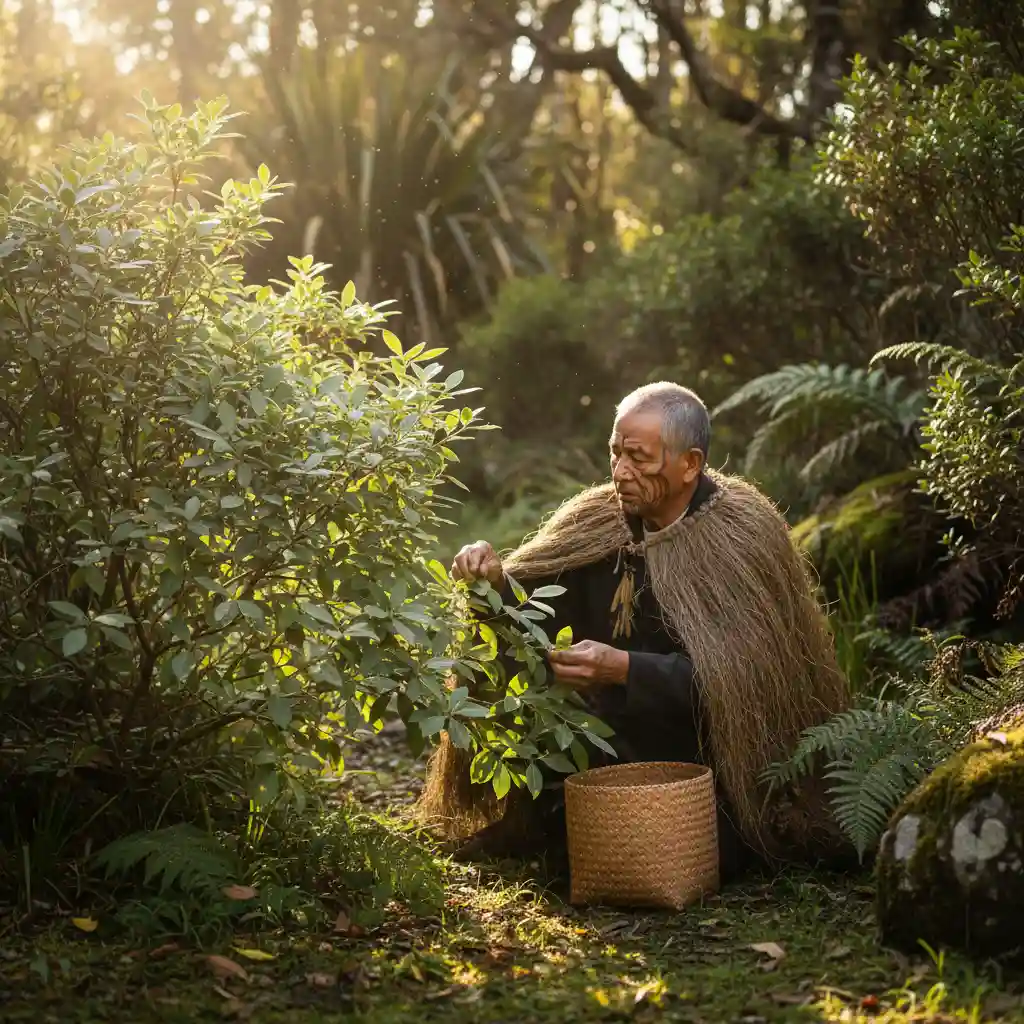
Two prominent native plants in the Rongoā Māori pharmacopoeia for supporting women’s health during menopause are Kumarahou (Pomaderris kumeraho) and Harakeke (Phormium tenax). These plants, deeply rooted in Māori culture and tradition, offer unique properties that assist with hormonal regulation and symptom management.
Kumarahou: The Golden Elixir of Aotearoa
Kumarahou, often referred to as “Gumdiggers’ Soap” due to its lathering properties when crushed with water, is a highly revered rongoā plant. It is traditionally used as a tonic for cleansing and strengthening the body, particularly the respiratory and urinary systems. For menopausal support, Kumarahou is valued for its potential to cleanse the liver and support its detoxification pathways. The liver plays a crucial role in metabolizing and excreting excess hormones, making its healthy function paramount for hormonal balance during menopause.
Preparation typically involves brewing the leaves and flowers into a tea (wai rākau). This golden-hued infusion is consumed regularly to gently support the body’s natural processes. Anecdotal evidence and traditional knowledge suggest that Kumarahou can help alleviate symptoms such as bloating, fatigue, and hormonal fluctuations by promoting internal cleansing and supporting liver function, thereby aiding in a smoother transition through menopause. Its bitter compounds are believed to stimulate digestive and detox pathways, contributing to overall vitality.
Harakeke: Versatility for Menopausal Comfort
Harakeke, or New Zealand Flax, is another incredibly versatile plant, with different parts used for various healing purposes. While its leaves are renowned for weaving, the roots, in particular, hold significant medicinal value for menopausal symptoms. Harakeke roots contain compounds that have anti-inflammatory and cooling properties, making them beneficial for managing hot flashes and general bodily heat that can accompany menopause.
Traditionally, Harakeke root preparations might be used externally as poultices or compresses to soothe irritated skin or areas experiencing heat. Internally, a decoction made from the roots or rhizomes can be consumed. This preparation is believed to have a calming effect on the nervous system, potentially easing anxiety and irritability often associated with hormonal shifts. The mucilaginous properties of Harakeke can also be soothing to internal linings, supporting gut health which is increasingly recognized as important for overall hormonal balance.
The flax seed, though less emphasized in traditional rongoā than the root, is also known for its lignans, which are phytoestrogens that can help modulate hormone levels. While not a primary rongoā remedy for menopause, it represents a modern integration of traditional knowledge with nutritional science.
Managing Hot Flashes and Sleep Disturbance Naturally
Hot flashes and sleep disturbances are among the most common and disruptive symptoms of menopause. Rongoā Māori offers natural, gentle, and effective strategies to alleviate these discomforts, focusing on restoring balance within the body and mind.
Soothing Hot Flashes with Native Botanicals
For hot flashes, the Rongoā approach often involves cooling and calming remedies. Kawakawa (Macropiper excelsum), a widely used and highly respected rongoā plant, is excellent for its ability to regulate body temperature and promote circulation. A warm Kawakawa leaf tea, surprisingly, can help induce a gentle sweat which then cools the body, similar to how it helps with fevers. Its anti-inflammatory properties can also soothe internal irritation that might contribute to heat sensations.
External applications can also be beneficial. Cool compresses or baths infused with cooling plants like Harakeke or even Pūriri (Vitex lucens) leaves can provide immediate relief. The act of connecting with wai (water) in a cooling ritual is also deeply therapeutic, embodying Taha Wairua and Taha Hinengaro healing. Breathing exercises, incorporating slow, deep breaths, taught within a rongoā framework, can also help to manage the intensity of a hot flash by calming the nervous system.
Additionally, balancing internal heat can involve addressing digestive health, as an imbalanced gut can contribute to systemic inflammation. Rongoā practices might include specific dietary recommendations or gentle digestive tonics to support a healthy internal environment.
Cultivating Rest: Rongoā Approaches to Sleep
Sleep disturbances, ranging from insomnia to restless nights, are frequently reported during menopause. Rongoā Māori emphasizes creating a peaceful evening routine and utilizing calming botanicals to promote restful sleep. Kawakawa is again a star player here. Its mildly sedative and anxiety-reducing properties make a warm Kawakawa tea an ideal bedtime beverage. It helps to relax the nervous system and quiet the mind, facilitating the transition to sleep.
Other practices include using calming essential oils or infusions from native plants for aromatherapy – a few drops of a Kawakawa or Kānuka (Kunzea ericoides) infusion on a pillow, or a relaxing foot bath. Gentle massage (mirimiri) using infused oils can also prepare the body for sleep, releasing tension and promoting circulation. The focus extends beyond just falling asleep to ensuring the quality of sleep, allowing the body and spirit to truly restore.
Addressing Taha Hinengaro is crucial for sleep. Practices like meditation, karakia (prayer or incantations), or simply spending quiet time in nature before bed can help to clear the mind of worries and anxieties that often disrupt sleep. Recognizing the spiritual aspect of rest – allowing the wairua to rejuvenate – is central to the Rongoā approach.

Dietary Adjustments and Traditional Tonics
Diet plays a fundamental role in Rongoā Māori and is considered a cornerstone of health and well-being, particularly during significant life transitions like menopause. The traditional Māori diet, rich in nutrient-dense whole foods sourced directly from the land and sea, naturally supports hormonal balance and overall vitality.
Nourishing the Whare Tangata: Traditional Māori Kai
The principle of kai, whenua, tangata (food, land, people) highlights the interconnectedness of food, the environment, and human health. A traditional Māori diet would naturally be high in fiber, complex carbohydrates, and essential nutrients, all beneficial for menopausal women. This includes:
- Kūmara (sweet potato): A staple rich in complex carbohydrates, vitamins, and fiber, supporting sustained energy and gut health.
- Kānga Wai (fermented corn): Provides beneficial probiotics for gut health, which is crucial for hormone metabolism and nutrient absorption.
- Kaimoana (seafood): Especially fatty fish like tuna and kahawai, are excellent sources of omega-3 fatty acids, known for their anti-inflammatory properties and support for brain and heart health, both important during menopause.
- Foraged Greens and Berries: Such as watercress (wātakirihi), pūhā, and various native berries, provide a wealth of vitamins, minerals, and antioxidants.
- Lean Proteins: From birds and other wild game (if available), or ethically raised red meats, providing essential amino acids.
The emphasis is on seasonal, locally sourced, and minimally processed foods, mirroring contemporary advice for a healthy diet that supports hormonal balance. Avoiding highly processed foods, excessive sugar, and inflammatory oils is implicitly part of this traditional framework.
The Power of Wai Rākau: Herbal Tonics for Vitality
Beyond daily kai, traditional tonics, or wai rākau (plant water/tea), are integral to Rongoā Māori for maintaining health and addressing specific imbalances. During menopause, these tonics are used to support the body’s systems and enhance vitality.
- Kawakawa Tea: As mentioned, it’s not just for sleep or hot flashes. Regular consumption of Kawakawa tea can be a general tonic for overall well-being, supporting digestion, circulation, and reducing inflammation throughout the body.
- Kumarahou Tea: Continues to be beneficial as a liver cleanser and gentle detoxifier, ensuring efficient hormone metabolism.
- Pūhā and Watercress Infusions: These common greens can be steeped to create nutrient-rich tonics that provide essential vitamins and minerals, helping to combat fatigue and support bone health, which can be a concern during menopause.
- Herbal Porridges: Sometimes, finely chopped or pounded rongoā plants might be incorporated into porridges or gruels, especially for their nutritional and medicinal properties.
The consistent intake of these traditional foods and tonics, coupled with mindful eating practices (such as karakia before meals), reinforces the holistic nature of Rongoā Māori, ensuring that the body is nourished, balanced, and supported through the menopausal journey.

In conclusion, Rongoā Māori offers a profound and empowering framework for navigating menopause. By embracing the holistic principles of Te Whare Tapa Whā, utilizing potent native plant medicines like Kumarahou, Harakeke, and Kawakawa, and adhering to traditional dietary wisdom, women can experience this significant life transition with greater ease, vitality, and cultural affirmation. This ancient knowledge reminds us that menopause is not an ending, but a powerful continuum of life, a time for wisdom to flourish, supported by the enduring strength of the land and its healing gifts.
People Also Ask (PAA)
What is Rongoā Māori for menopause?
Rongoā Māori for menopause is a traditional Māori healing system that uses native plants (rākau rongoā), spiritual practices (karakia, wairua), and holistic lifestyle adjustments (kai, mirimiri) to support women through the menopausal transition, addressing physical, mental, emotional, and spiritual well-being.
Which native New Zealand plants are used for menopausal symptoms?
Key native New Zealand plants used for menopausal symptoms include Kumarahou (for liver support and cleansing), Harakeke (especially roots for cooling and calming), and Kawakawa (for hot flashes, sleep, and overall well-being).
How does Rongoā Māori view menopause?
Rongoā Māori views menopause as a natural and sacred phase of life, a time of transition and increasing wisdom, rather than a medical condition. It emphasizes holistic balance across Taha Tinana, Taha Wairua, Taha Hinengaro, and Taha Whānau.
Can Rongoā Māori help with hot flashes?
Yes, Rongoā Māori offers remedies for hot flashes, often utilizing cooling plants like Kawakawa in teas or external compresses. It also addresses underlying factors like emotional balance and digestive health that can contribute to heat sensations.
Are there dietary recommendations in Rongoā Māori for menopause?
Yes, traditional Māori diet (kai) emphasizes whole, seasonal, locally sourced foods like kūmara, kaimoana, and foraged greens. These nutrient-dense foods naturally support hormonal balance, gut health, and overall vitality during menopause.
Is Rongoā Māori safe to use alongside conventional medicine?
While Rongoā Māori is a natural healing system, it is always recommended to consult with both a qualified Rongoā practitioner and a healthcare professional when considering its use, especially if you are taking conventional medications, to ensure safe and integrated care.