When buying authentic Rongoā Māori products, look for evidence of whakapapa (lineage) and adherence to tikanga (cultural protocols). Genuine practitioners prioritize Kaitiakitanga (environmental guardianship), often harvesting locally with prayer (karakia), avoiding mass-produced ingredients. Seek verification marks like the Toi Iho trademark, transparent ingredient sourcing, and a direct connection to local iwi or hapū rather than generic supermarket branding.
The Cultural Foundation: Whakapapa and Tikanga
In the rapidly expanding market of natural health, the resurgence of traditional Māori medicine, or Rongoā Māori, has garnered significant attention. However, distinguishing between genuine, culturally grounded remedies and commodified imitations is critical for the conscientious consumer. Authentic Rongoā is not merely a collection of active ingredients; it is a holistic practice deeply rooted in Te Ao Māori (the Māori world).
At the heart of authentic Rongoā Māori products lies whakapapa. In a commercial context, this refers to the lineage of knowledge. Who made this product? Who taught them? Do they have the blessing of their kaumātua (elders) to share this medicine? Authentic practitioners view themselves as conduits for knowledge passed down through generations. They do not claim ownership over the plants but serve as guardians of the healing practices associated with them.
Furthermore, Tikanga (correct procedure/custom) dictates how the medicine is made. This involves spiritual safety and intention. A product manufactured on a sterile assembly line by machines lacks the mauri (life force) infused by a practitioner who harvests with gratitude and prepares the remedy with specific healing intentions. When you search for authentic Rongoā Māori products, you are searching for this connection—a product that carries the mana of its creator and the land from which it came.
Toi Iho and Authenticity Marks
Navigating the labeling of natural products can be daunting. While “Organic” and “Fair Trade” are valuable distinctions, they do not necessarily guarantee cultural authenticity in the context of New Zealand native herbalism. To bridge this gap, specific trademarks and certifications have been developed to protect Indigenous intellectual property and assure consumers of quality.
The Toi Iho Trademark
One of the most robust indicators of authenticity is the Toi Iho mark. Toi Iho is a registered trademark used to promote and sell authentic Māori arts and crafts, which can extend to traditional healing products. It verifies that the creator is of Māori descent and that the product has been created with a high standard of quality and cultural integrity. Seeing this mark is a strong signal that you are supporting Indigenous commerce and preserving cultural heritage.
Other Indicators of Credibility
Beyond formal trademarks, look for affiliations with recognized bodies such as Te Kāhui Rongoā (The National Collective of Māori Healers). Membership in such organizations implies that the practitioner adheres to a code of ethics that respects both the environment and the patient. Unlike general health supplement regulations, these affiliations ensure the spiritual and cultural safety of the product.
Harvesting Protocols: The Spirit of the Plant
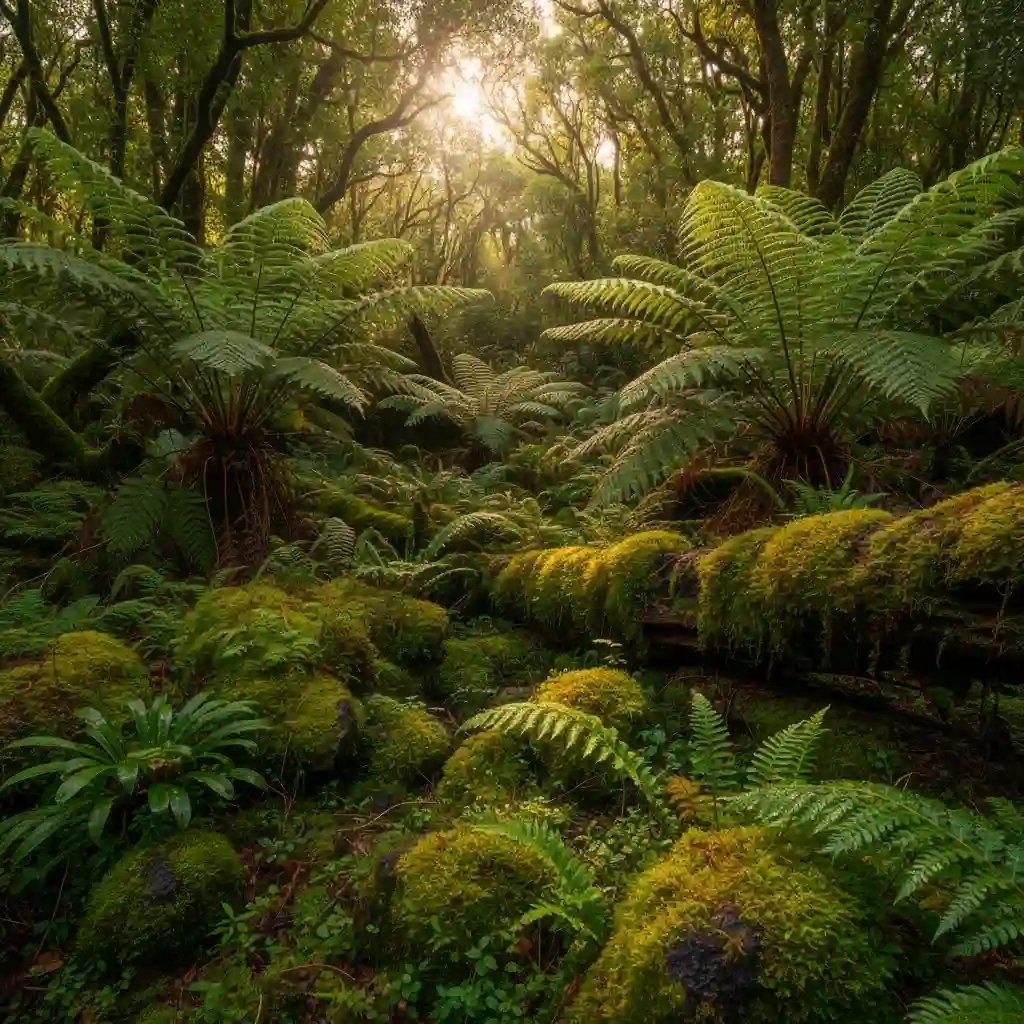
The efficacy of Rongoā is believed to be directly tied to how the plant material is harvested. This is a major differentiator between authentic Rongoā Māori products and mass-market herbal skincare. Authentic practitioners practice Kaitiakitanga, acting as guardians of the forest.
Key harvesting protocols include:
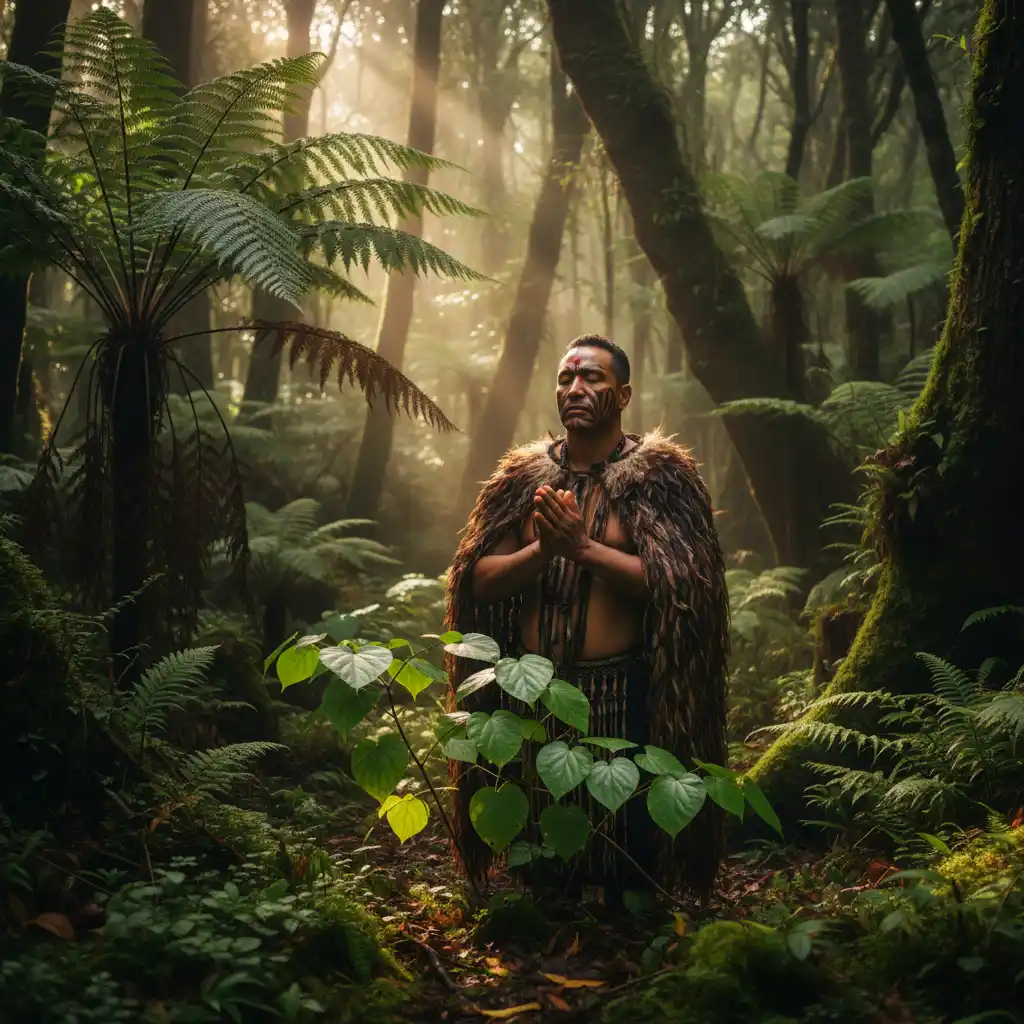
- Karakia (Prayer): Before a single leaf is picked, a karakia is offered to acknowledge Tāne Mahuta (the guardian of the forest) and to ask permission. This sets a respectful intention.
- Sustainable Foraging: Only what is needed is taken. A practitioner will never strip a tree bare. They harvest from the east side (facing the rising sun) or specific areas depending on the tikanga of their rohe (region), ensuring the plant can regenerate.
- Time of Day/Moon Cycles: Many authentic practitioners harvest according to the Maramataka (Māori lunar calendar), believing that the sap and active compounds are most potent at specific times.
Commercial operations that utilize mechanical harvesting or purchase dried herbs in bulk from third-party wholesalers often bypass these crucial spiritual and ecological steps. The result may be a product that is chemically similar but culturally and energetically void.
Supporting Local Practitioners vs. Mass Production
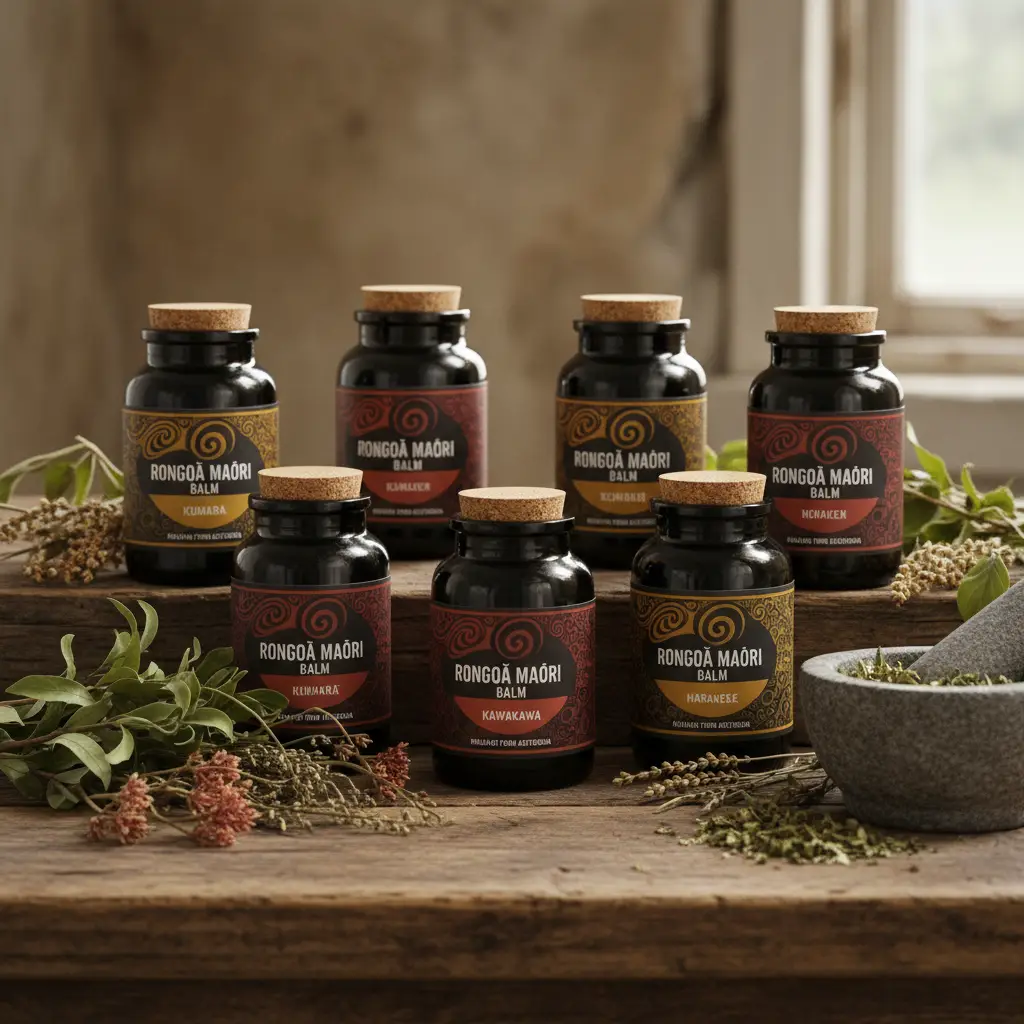
As Kawakawa and Mānuka become global buzzwords, large skincare corporations are rushing to include these ingredients in their formulations. You can now find “Kawakawa Body Butter” in mainstream supermarkets. However, there is a distinct difference between a product containing a native herb and an authentic Rongoā product.
The Commercialization Trap
Mass-produced items often use extracts or infusions where the percentage of the active native ingredient is minimal—sometimes less than 1%. These products are often preserved with synthetic parabens and fragrances that can counteract the natural healing properties of the plant. Furthermore, the profits from these products rarely return to the Māori communities who have held the knowledge of these plants for centuries.
The Value of Direct Purchasing
Buying directly from a practitioner—whether at a local market, a dedicated online store, or a Rongoā clinic—ensures a shorter supply chain. You are often speaking to the person who picked the leaves and infused the oil. These products are typically small-batch, ensuring freshness and potency. The base ingredients are usually higher quality, such as cold-pressed olive oil, coconut oil, or beeswax, rather than petroleum-based fillers.
Red Flags: Spotting Cultural Appropriation
To ensure your purchase supports authentic Rongoā Māori products and respects the culture, be vigilant for these red flags:
- Generic “Exotic” Marketing: Avoid brands that use Māori imagery (like moko patterns) disrespectfully or use generic terms like “Polynesian Magic” without specifying the plant or origin.
- Lack of Origin Story: If a company cannot tell you where their Kawakawa or Kumarahou comes from, or simply lists “New Zealand Native Extracts” without detail, it is likely a mass-manufactured bulk ingredient.
- Cultural Insensitivity: Be wary of products that claim to “cure” spiritual ailments without the involvement of a tohunga or practitioner. Rongoā is complementary, and authentic healers are careful not to make outrageous medical claims prohibited by law, while still honoring the spiritual dimension.
- Appropriated Names: Non-Māori companies trademarking Māori words for their exclusive use is a contentious issue. Authentic producers generally use the names respectfully and descriptively, rather than treating the language solely as a marketing hook.
The Buyer’s Checklist: Questions to Ask
When investigating a new brand or practitioner, do not hesitate to ask questions. A genuine maker will be proud to answer them. Use this checklist to validate authentic Rongoā Māori products:
- Who harvests the plants? Is it the maker, their whānau, or a third-party supplier?
- How are the plants harvested? Is tikanga followed? Is sustainability considered?
- What is the base? Are they using natural carriers like beeswax and olive oil, or synthetic bases?
- Where does the knowledge come from? Do they acknowledge their teachers or lineage?
- Is there community reciprocity? Does the business support local marae or conservation projects?
Navigating Popular Rongoā Products
Understanding the specific applications of common plants helps in selecting the right product. Here is what to look for in the “Big Three” of native herbalism.
Kawakawa (Macropiper excelsum)
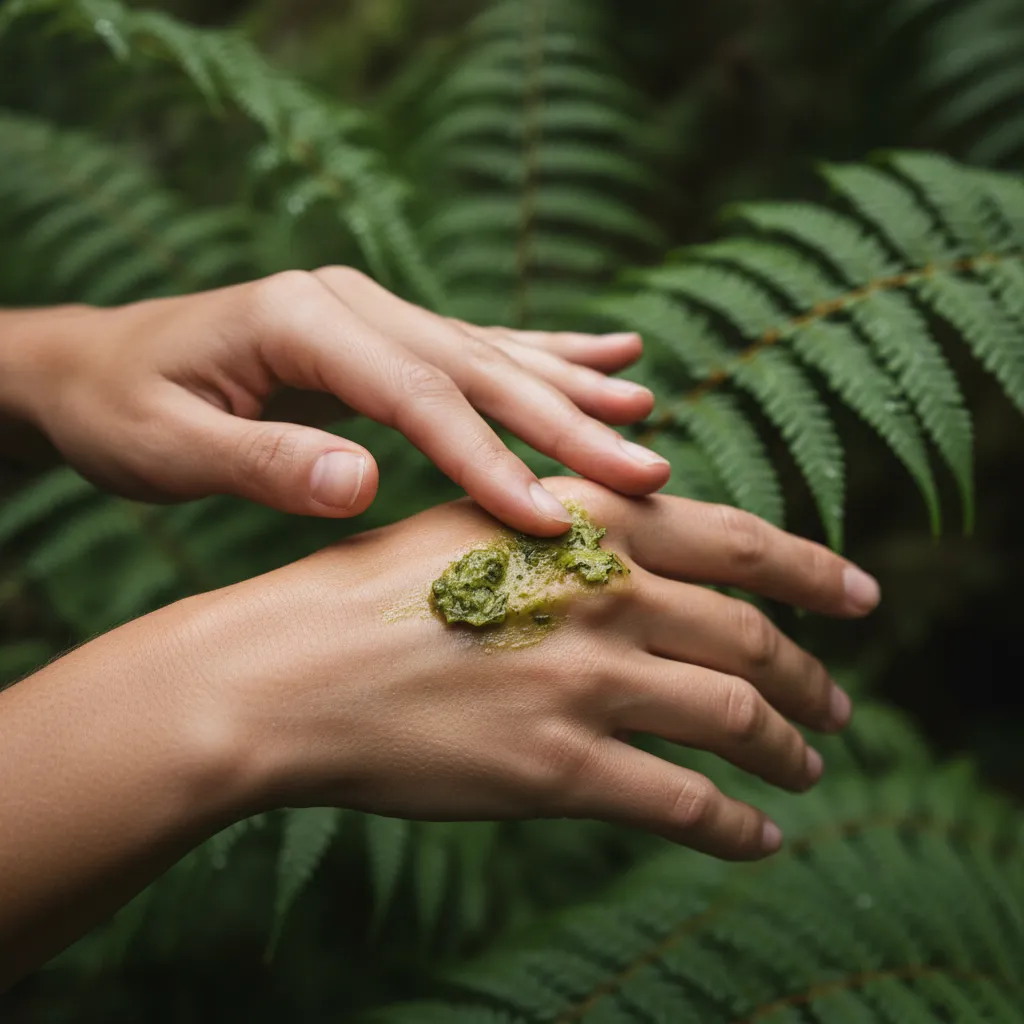
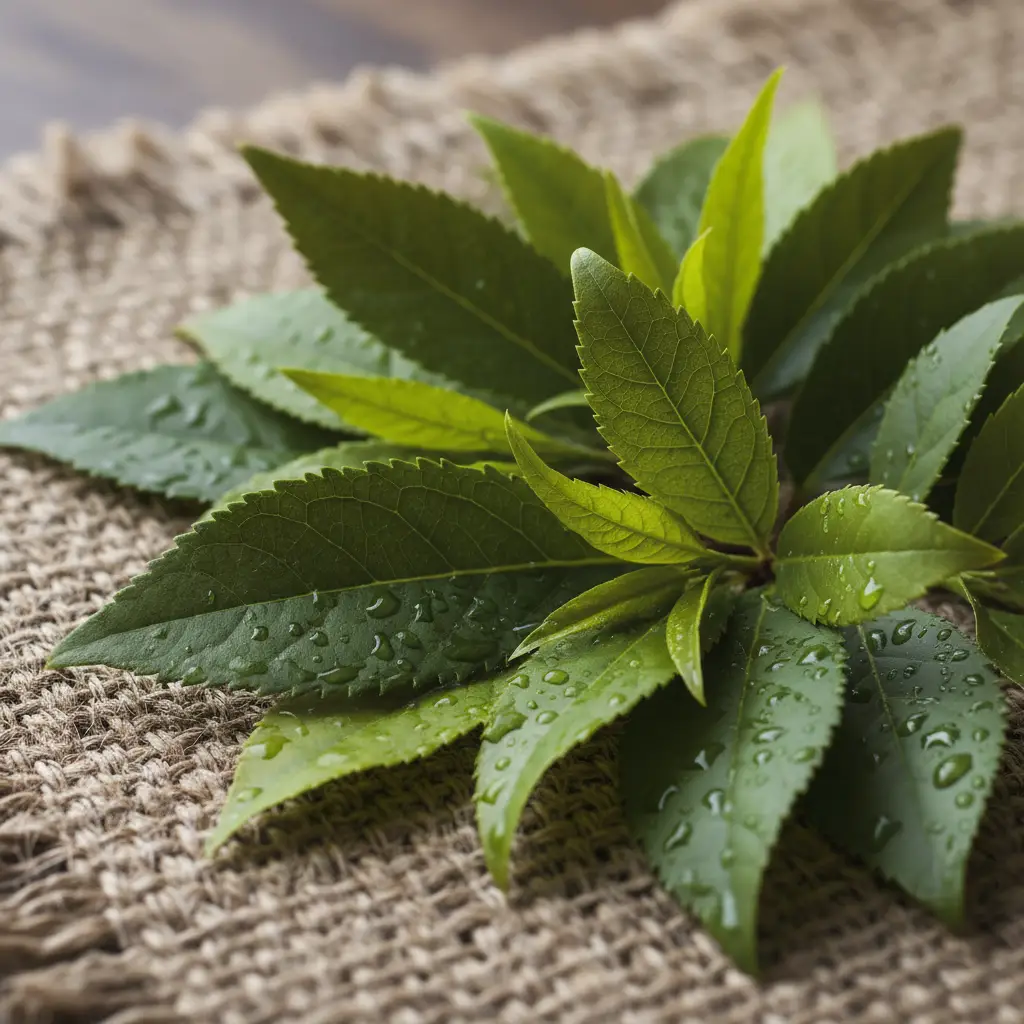
Known as the “pharmacy of the forest,” Kawakawa is ubiquitous in balms. Authentic Kawakawa balm should be a rich green color, indicating a high chlorophyll content and a long infusion process. If the balm is white or very pale, it likely contains very little active plant matter. Look for leaves that have been “eaten by the looper moth” (holes in the leaves), as traditional knowledge suggests these leaves have the highest concentration of active medicinal compounds.
Kūmarahou (Pomaderris kumeraho)
Often used for respiratory ailments and skin disorders. Because Kūmarahou is a natural soap, it can be found in washes and tonics. Authentic preparations are often bitter tonics (wai rākau). Ensure that the product is fresh, as liquid preparations without heavy preservatives have a shorter shelf life—a sign of natural authenticity.
Mānuka (Leptospermum scoparium)
Beyond the famous honey, Mānuka oil and infusions are powerful antibacterials. Authentic Mānuka oil is steam distilled from the foliage. Look for provenance—Mānuka from the East Cape of New Zealand, for example, is renowned for high triketone levels. Ensure the product distinguishes between Mānuka and Kānuka, as they are often confused but have different properties.
Conclusion
Choosing authentic Rongoā Māori products is a decision that extends beyond personal health; it is an act of cultural respect and environmental support. By prioritizing products that honor whakapapa, tikanga, and sustainability, consumers ensure that the ancient wisdom of Māori healing continues to thrive in a modern world. Look for the depth of connection, the respect for the harvest, and the transparency of the maker. In doing so, you receive not just a remedy, but a taonga (treasure) nurtured by generations.
Frequently Asked Questions
What defines a product as “Authentic Rongoā Māori”?
Authenticity is defined by the adherence to tikanga (cultural protocols), the whakapapa (lineage) of the practitioner, and the sustainable, respectful harvesting of plants (kaitiakitanga), ensuring the mauri (life force) of the rongoā is preserved.
Can non-Māori make authentic Rongoā products?
This is a nuanced topic. While the plants are of the land and available to all, “Rongoā Māori” specifically refers to a system of healing rooted in Māori worldview. Non-Māori can work respectfully with native plants, but using the term “Rongoā” implies a cultural depth and lineage that usually requires deep immersion and guidance from Māori elders.
Why is Kawakawa balm often green?
A deep green color indicates a strong infusion of Kawakawa leaves into the carrier oil. This suggests a high concentration of chlorophyll and active compounds. Pale or white balms may be diluted or use refined extracts rather than whole-plant infusions.
Is there a certification for Rongoā Māori?
There is no single government certification, but the Toi Iho trademark is a recognized mark of authenticity for Māori-made products. Additionally, membership in Te Kāhui Rongoā signals adherence to a professional and cultural code of ethics.
Are authentic Rongoā products safe for children?
Generally, many topical Rongoā products like Kawakawa balm are gentle and widely used for children’s skin issues (eczema, nappy rash). However, internal tonics should always be used under the guidance of a qualified practitioner, as dosages vary.
Where is the best place to buy authentic Rongoā?
The best places are direct from the practitioners via their websites, at local farmers’ markets in New Zealand, or through dedicated Māori business collectives. This ensures the money goes directly to the kaitiaki of the knowledge.