The best NZ native skincare brands distinguish themselves through high concentrations of bioactive indigenous ingredients like Mamaku, Harakeke, and Kawakawa, sourced via sustainable Tikanga Māori principles. Leading formulations prioritize potency over fillers, offering scientific validation for hydration, anti-inflammatory action, and collagen support suitable for sensitive and mature skin types.
New Zealand’s isolation has fostered a unique botanical evolution, resulting in flora with exceptionally high concentrations of bioactive compounds. For the discerning consumer, navigating the landscape of best nz native skincare brands is not just about finding a moisturizer; it is about discovering the therapeutic power of the forest floor. From the hydration-locking properties of Harakeke to the cellular regeneration stimulated by Mamaku, Aotearoa’s native plants offer potent solutions for modern skin concerns.
The Power of Aotearoa: Why NZ Native Ingredients Reign Supreme
The global beauty industry has turned its gaze toward New Zealand, and for good reason. The plants native to this archipelago have had to adapt to high UV levels and diverse microclimates. Consequently, they have developed robust defense mechanisms in the form of antioxidants, antibacterial agents, and humectants. When extracted correctly, these defense mechanisms translate into powerful skincare benefits.
However, the term “native” is often used loosely. True efficacy lies in the provenance of the ingredient and the method of extraction. The most reputable brands integrate Rongoā Māori (traditional Māori healing) principles with modern cosmetic chemistry. This fusion ensures that the plants are harvested respectfully (Tikanga) and processed in a way that retains their molecular stability.
Deconstructing the Actives: Mamaku, Kowhai, and Harakeke
To truly evaluate the best NZ native skincare brands, one must understand the specific bioactivity of the key ingredients. It is not enough for a label to simply list a plant; the formulation must leverage the plant’s specific strength.
Mamaku (Black Fern): The Cellular Regenerator
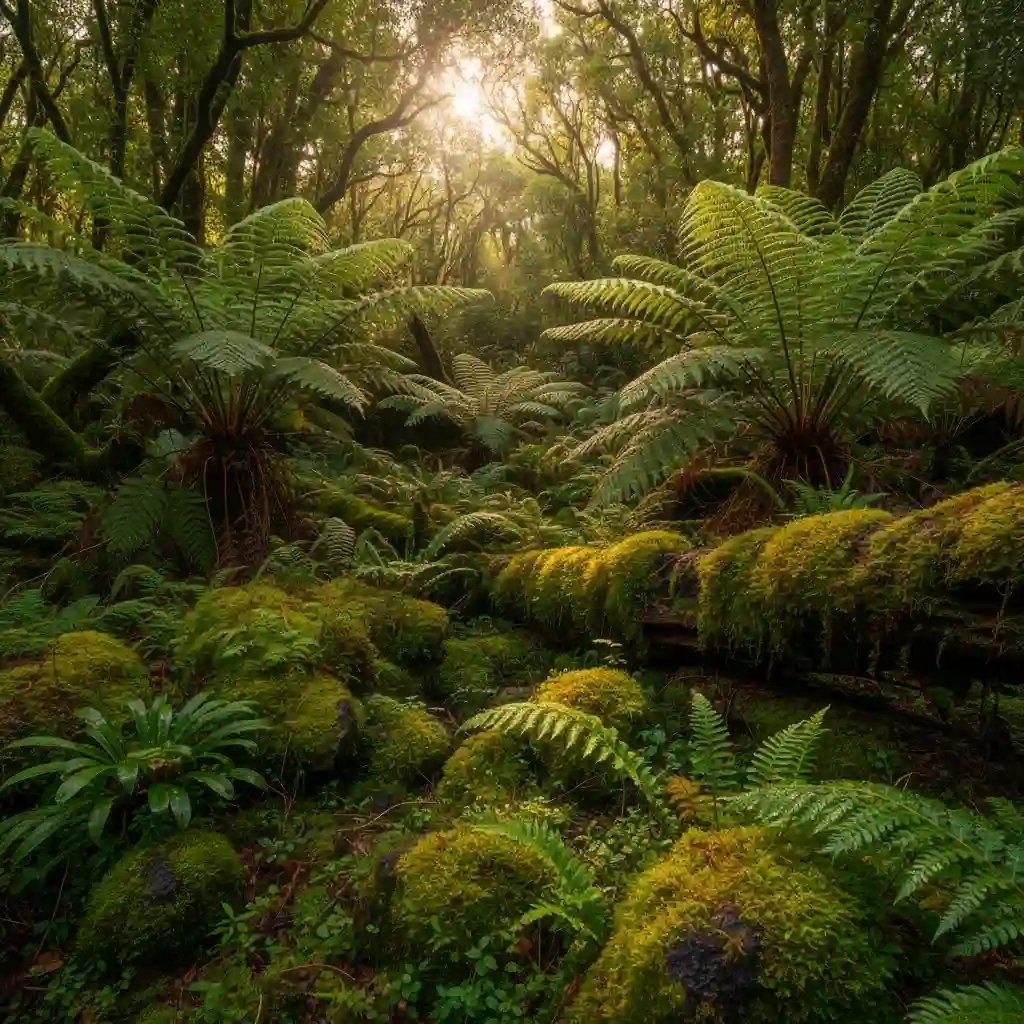
The Mamaku fern is an iconic symbol of the New Zealand bush, but in skincare, it is a powerhouse of regeneration. The gel found within the fronds contains unique polysaccharides that form a viscoelastic network on the skin. This network provides an immediate lifting and tightening effect.
More importantly, Mamaku extract has been shown to stimulate cell division (proliferation) and migration. This makes it a critical ingredient for anti-aging formulations, as it aids in the turnover of skin cells and the repair of the dermal matrix. Brands utilizing high-grade Mamaku are essentially offering a natural alternative to synthetic firming agents.
Kowhai: The Natural Antimicrobial
The KŃwhai tree, known for its brilliant yellow flowers, has been used traditionally to treat skin diseases and abrasions. Modern analysis reveals that KŃwhai bark and leaves are rich in alkaloids and flavonoids that possess strong antimicrobial and anti-inflammatory properties.
For those suffering from acne or compromised skin barriers, KŃwhai is an ingredient to look for. It cleanses the skin flora without stripping the natural oils, unlike harsh chemical cleansers. It acts as a soothing agent that reduces redness and inhibits the growth of bacteria associated with breakouts.
Harakeke (NZ Flax): Superior Hydration
Harakeke is often compared to Aloe Vera, but studies suggest its hydrating properties may be superior. The gel from the base of the Harakeke leaf is packed with D-glucuronic acid and D-xylose, which are precursors to the skin’s natural hyaluronic acid.
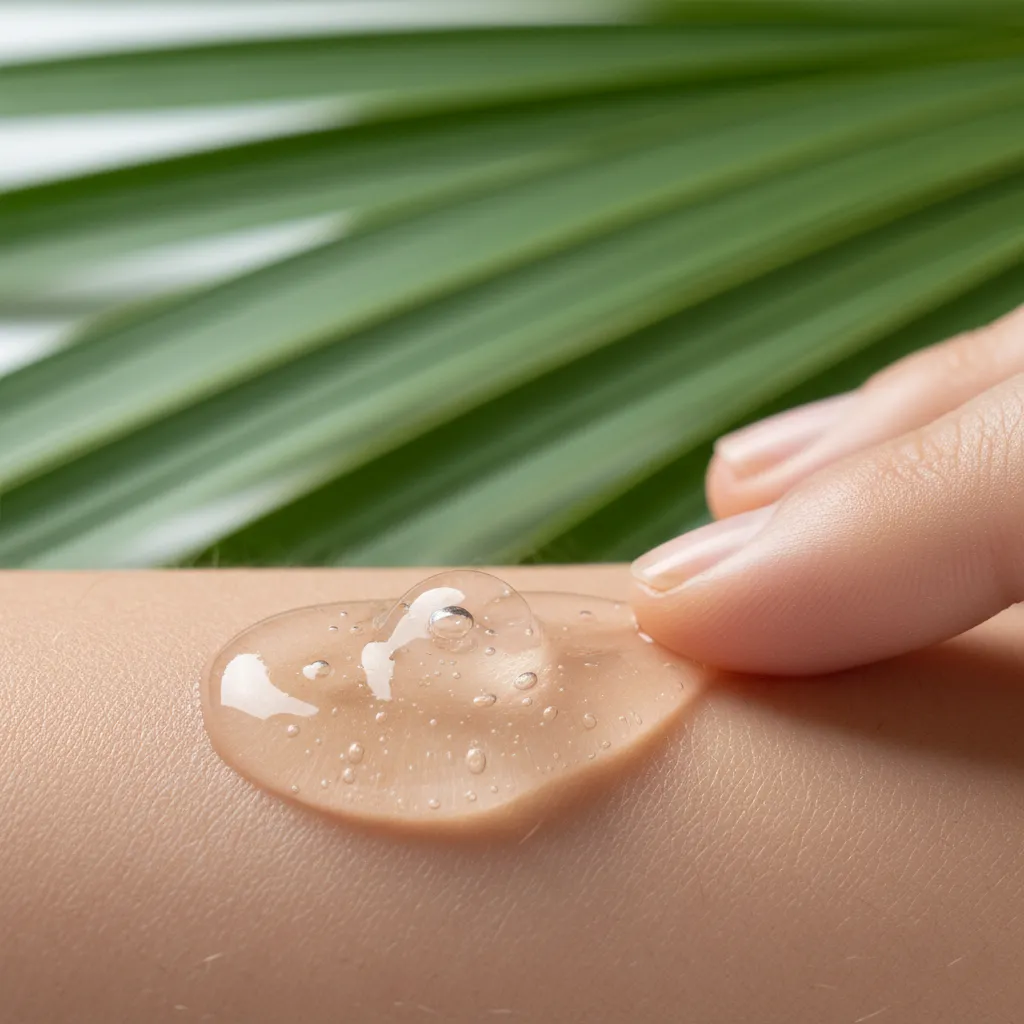
Harakeke gel is naturally astringent and cooling. It creates a breathable barrier on the skin that locks in moisture while regulating oil production. This makes it an incredibly versatile ingredient, found in everything from heavy night creams to light, balancing toners.
Greenwashing Alert: Decoding Ingredient Lists
As consumer interest in “clean beauty” rises, so does the prevalence of greenwashing. This is the practice where brands exaggerate their environmental credentials or the concentration of natural ingredients in their products. In the context of NZ native skincare, this often manifests as “Angel Dusting.”
The Phenomenon of “Angel Dusting”
Angel dusting refers to adding a minuscule amount of an active ingredient—just enough to put the name on the label—without including enough to have a therapeutic effect. You might see a moisturizer touting “Manuka Honey & Kawakawa,” but if these ingredients appear after Phenoxyethanol (a preservative usually limited to 1%) on the INCI list, their concentration is negligible.
Identifying Authentic Potency
To identify the best NZ native skincare brands, inspect the ingredient list (INCI) on the back of the packaging. Native extracts should appear in the top third of the list. Furthermore, look for brands that specify the extraction method. Cold-pressed or CO2 extracted oils generally retain more vitamins and antioxidants than those processed with high heat or chemical solvents.
Additionally, certification matters. While obtaining organic certification can be cost-prohibitive for small artisan brands, look for transparency regarding wild-harvesting practices. Brands that partner with local Iwi (tribes) for sourcing often have the highest quality, sustainably harvested raw materials.

Brand Spotlight: Small Batch Artisans vs. Mass Market
The market for NZ native skincare is divided into two distinct categories: the globally recognized export giants and the small-batch, locally focused artisans. Both have their merits, but they serve different consumer needs.
The Global Export Leaders
Brands like Antipodes and Trilogy have paved the way for New Zealand beauty on the world stage. These brands excel in consistency and scientific validation. They often have the budget for clinical trials, allowing them to make substantiated claims about collagen production or wrinkle reduction.
Their products are widely available and formulated for stability, meaning they have a longer shelf life. However, to achieve this stability and mass volume, the formulations may include more stabilizers and preservatives than their artisan counterparts.
The Small-Batch Artisans
On the other end of the spectrum are brands like Aotea, Great Barrier Island Bee Co, and Frankie Apothecary. These brands often produce in smaller runs, ensuring the botanical oils are incredibly fresh. Their connection to the source is often more direct; for example, Aotea grows and extracts their own native herbs on Great Barrier Island.
The advantage here is potency and purity. The formulations are often simpler, focusing heavily on the hero ingredient without unnecessary fillers. For consumers seeking a direct connection to Rongoā Māori principles, these artisan brands are often the superior choice.
Tailored Recommendations for Sensitive & Aging Skin
Choosing the right brand involves matching the botanical profile to your specific skin concerns. Native ingredients are generally well-tolerated, but specific plants excel in different areas.
For Sensitive and Reactive Skin
If your skin is prone to redness, eczema, or rosacea, look for brands that champion Kawakawa and Manuka Oil. Kawakawa contains myristicin, which is a mild analgesic (pain reliever) and anti-inflammatory. It is incredibly soothing for irritated skin barriers.
Top Recommendation Criteria: Look for balms or oils where Kawakawa is infused into a carrier oil (like almond or olive) rather than alcohol-based tinctures which can sting. Brands that combine Kawakawa with beeswax offer an additional protective layer against environmental agitators.
For Mature and Dry Skin
For anti-aging concerns, Mamaku and Vinanza Grape (a byproduct of NZ Sauvignon Blanc grapes, often used in conjunction with natives) are key. Mamaku provides the hydration lift, while the antioxidants in the grape seed extract combat oxidative stress.
Top Recommendation Criteria: Seek out serums and night creams. Water-based serums containing Mamaku gel deliver deep hydration that plumps fine lines, while oil-based serums rich in Totarol (from the Totara tree) provide powerful antioxidant protection to prevent further DNA damage.
Frequently Asked Questions
What is the most effective NZ native ingredient for acne?
Manuka oil is widely considered the most effective native ingredient for acne. It possesses antibacterial properties that are significantly stronger than Tea Tree oil, targeting the bacteria that cause acne without causing the same level of drying or irritation.
Are NZ native skincare brands cruelty-free?
The vast majority of reputable NZ native skincare brands are cruelty-free. New Zealand has banned cosmetic testing on animals, so any brand manufacturing domestically adheres to these strict regulations. Always check for the leaping bunny logo for international verification.
Can I use Harakeke gel instead of Aloe Vera?
Yes, Harakeke gel is an excellent, if not superior, alternative to Aloe Vera. It is more hydrating and astringent, making it effective for cooling sunburns, soothing bites, and hydrating the face without greasiness.
What is the difference between Manuka Honey and Manuka Oil in skincare?
Manuka Honey is a humectant and has wound-healing properties, making it great for hydration and masks. Manuka Oil is an essential oil extracted from the leaves; it is a potent antibacterial and antifungal agent, best used for treating acne, fungal infections, or as a preservative booster.
Is Kawakawa safe for sensitive skin?
Kawakawa is exceptionally safe and beneficial for sensitive skin. It is traditionally used to treat eczema and dermatitis. However, always patch test a new product, as formulations may contain other essential oils that could trigger sensitivity.
Why are NZ native skincare products often expensive?
The cost reflects the labor-intensive nature of sustainable harvesting and the high concentration of bioactive ingredients. Many plants are wild-harvested by hand to protect the ecosystem, and local production costs in New Zealand are higher than in mass-manufacturing hubs.