
The primary difference between UMF vs MGO Manuka honey ratings lies in the scope of their certification. UMF (Unique Manuka Factor) is a comprehensive industry standard that measures four distinct markers—Potency (MGO), Authenticity (Leptosperin), Shelf Life (DHA), and Freshness (HMF)—ensuring the honey is genuine, unadulterated New Zealand Manuka. In contrast, MGO (Methylglyoxal) measures only the concentration of the single antibacterial compound responsible for potency. While all UMF honey has an MGO rating, not all MGO-rated honey meets the strict purity standards required for a UMF certification.
For consumers navigating the aisles of health food stores or browsing online pharmacies, the array of acronyms on Manuka honey jars—UMF, MGO, NPA, K-Factor—can be overwhelming. Yet, understanding these labels is critical. Manuka honey is one of the most frequently counterfeited food products in the world, and the difference between a therapeutic-grade jar and an expensive table sweetener lies entirely in these numbers.
What is UMF (Unique Manuka Factor)?
The Unique Manuka Factor (UMF) is widely considered the “Gold Standard” in the global honey industry. Managed by the UMF Honey Association (UMFHA) in New Zealand, this grading system is not merely a measure of strength; it is a guarantee of authenticity and quality.

Unlike other rating systems that may focus on a single compound, the UMF certification tests for a “synergy” of four key chemical markers. This holistic approach prevents manufacturers from synthesizing active ingredients and adding them to ordinary honey to inflate the rating.
The Four Pillars of UMF
To receive a UMF stamp, the honey must pass independent laboratory testing for the following:
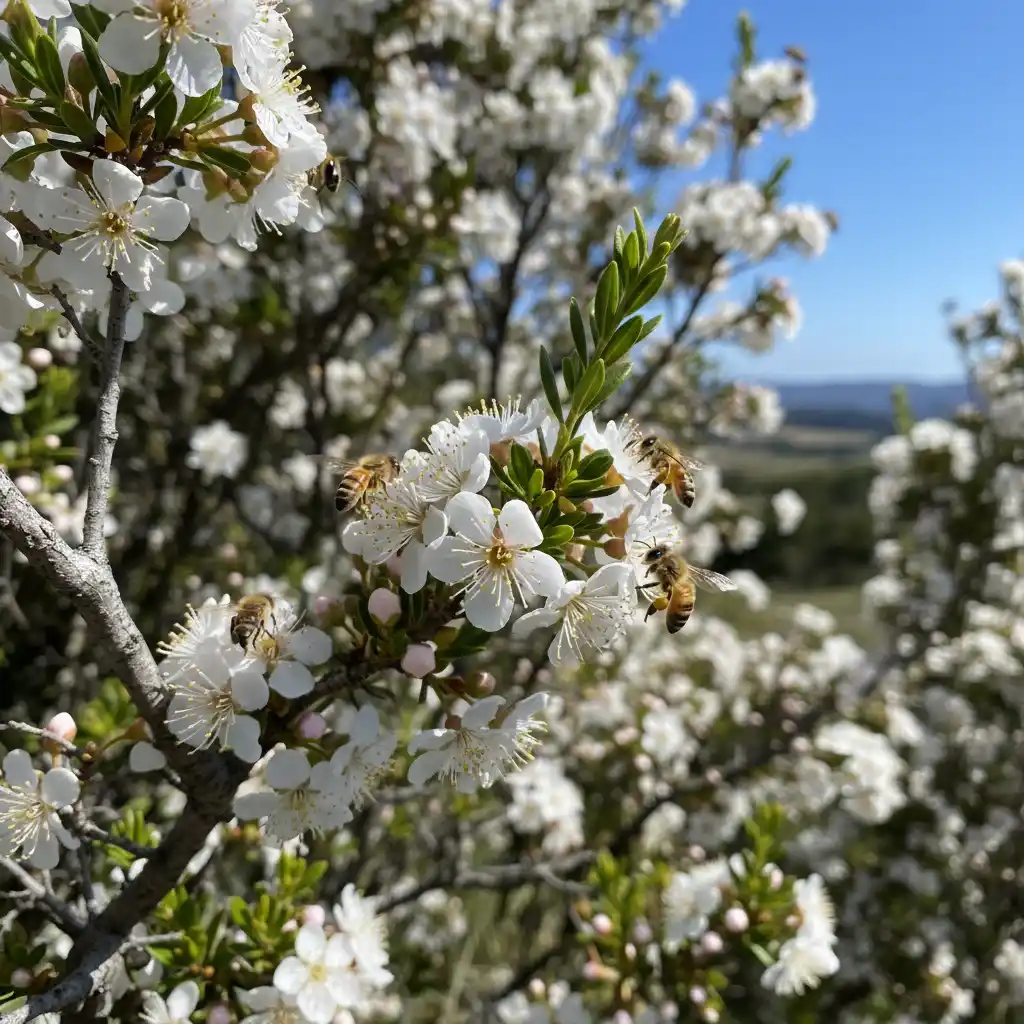
- Leptosperin (Authenticity): This is a compound found exclusively in the nectar of the Manuka flower (Leptospermum scoparium). Its presence is the definitive genetic fingerprint that proves the honey is derived from Manuka plants and not similar species like Kanuka. Leptosperin is difficult to synthesize, making it a robust anti-fraud marker.
- Methylglyoxal (Potency): MGO is the compound responsible for the stable, non-peroxide antibacterial activity that makes Manuka honey unique. The UMF rating correlates directly to the minimum MGO level.
- DHA (Shelf Life): Dihydroxyacetone (DHA) is found in the flower nectar and converts into MGO over time. A high DHA count indicates that the honey will maintain its potency (MGO levels) during storage. Without sufficient DHA, the MGO levels in a jar might drop before you finish consuming it.
- HMF (Freshness): Hydroxymethylfurfural (HMF) is an indicator of heat treatment and aging. High levels of HMF suggest the honey has been overheated (which destroys beneficial enzymes) or is too old. The UMF standard sets a maximum limit for HMF to ensure the honey is raw and bioactive.
When you purchase a jar with a UMF rating of 10+ or higher, you are buying a guarantee that the product is monofloral, potent, and handled with care from the hive to the jar.
Decoding MGO (Methylglyoxal) Numbers
MGO stands for Methylglyoxal. In the early days of Manuka research, scientists knew there was a “unique factor” providing antibacterial benefits even after hydrogen peroxide was removed from the honey, but they couldn’t identify it. This was temporarily called “Non-Peroxide Activity” (NPA). In 2008, Professor Thomas Henle identified Methylglyoxal as the compound responsible for this activity.
The MGO rating system is straightforward: it indicates the milligrams of Methylglyoxal per kilogram of honey. For example, MGO 400+ means there is at least 400mg of MGO in that kilogram of honey.
The Pros and Cons of MGO Ratings
The Advantage: MGO is an exact scientific measurement of potency. It is precise and easy to understand. If you are buying honey specifically for wound care or bacterial resistance, knowing the exact MGO concentration is vital.
The Disadvantage: The MGO rating system, when used in isolation without UMF certification, has a vulnerability. It is technically possible to add synthetic MGO to clover honey or multifloral honey to artificially inflate the number. While reputable brands use MGO honestly to denote strength, “cowboy” operators may use it to mislead consumers about the purity of the honey. Therefore, an MGO number on its own does not strictly guarantee the honey is true New Zealand Manuka, only that it contains that specific chemical compound.
UMF vs MGO Conversion Chart
Because UMF measures a profile of compounds including MGO, there is a direct correlation between the UMF grade and the minimum MGO level. This chart helps you compare products effectively.
| UMF Rating | Minimum MGO (mg/kg) | Classification |
|---|---|---|
| UMF 5+ | MGO 83+ | Table Grade (Maintenance) |
| UMF 10+ | MGO 263+ | Therapeutic Grade (Entry) |
| UMF 15+ | MGO 514+ | Therapeutic Grade (High) |
| UMF 20+ | MGO 829+ | Superior / Medical Grade |
| UMF 24+ | MGO 1122+ | Ultra-Premium / Rare |
Therapeutic Grade vs. Table Honey
Not all Manuka honey is created equal. The Leptospermum scoparium tree produces nectar that varies wildly in potency depending on the region, soil quality, and climate conditions. In New Zealand herbalism, we recognize that different grades serve different physiological purposes.
Low Grade (UMF 0-4 / MGO < 83)
This is often labeled as “Multifloral Manuka.” It means the bees foraged on Manuka but also on other surrounding wildflowers. It lacks significant levels of methylglyoxal. It is a delicious, dark, earthy table honey suitable for sweetening tea or toast, but it should not be purchased for specific health treatments.
Maintenance Grade (UMF 5-9 / MGO 83-260)
At this level, the honey exhibits mild antibacterial properties. It is excellent for general well-being and is often used as a daily supplement during winter months. It supports the immune system generally but is not potent enough to treat acute infections or significant skin conditions.
Therapeutic Grade (UMF 10-15 / MGO 263-514)
This is the entry point for clinical use. UMF 10+ is the minimum rating required for the honey to be considered “therapeutic.” This grade is effective for:
- Skincare: Face masks for acne and eczema.
- Digestive Health: Soothing sore throats and supporting gut flora.
- Minor Wounds: Application on minor cuts and grazes (though sterile medical honey is recommended for open wounds).
High Potency Grade (UMF 16+ / MGO 570+)
These are the powerhouses of the Manuka world. Honey at this level is rarer and significantly more expensive. It contains very high concentrations of phenols and MGO. It is often used for more stubborn issues, such as H. pylori support (under professional guidance), severe digestive discomfort, and chronic wound care support. Due to the high activity, some people may find it causes a slight stinging sensation when consumed alone.
Review of Top Certified Brands
When conducting a commercial investigation into which honey to buy, brand reputation is paramount. As an ethnobotanist, I look for companies that respect the land (Kaitiakitanga) and adhere to strict traceability.
1. Comvita
Comvita is perhaps the most globally recognized Manuka brand. They are a publicly listed company in New Zealand and a founding member of the UMFHA. Their testing is rigorous. If you buy a Comvita UMF 15+, you are guaranteed that specific potency. They own their own apiaries, ensuring full control over the supply chain.
2. Manuka Health
Manuka Health pioneered the MGO rating system. While they use MGO on the front of the jar, they are also members of the UMFHA and many of their products carry dual ratings or meet the UMF standards implicitly. They are known for their high-quality lozenges and wound care products.
3. Steens
Steens offers a different experience. They utilize a unique cold-press extraction method that retains more of the bee bread and pollen within the honey, giving it a grainy, raw texture. For those seeking a “whole food” approach to Manuka, Steens is a top contender. They provide a “Hive Tracker” code on jars to trace the honey back to the specific region in NZ.
4. Kiva
A popular choice in international markets, Kiva sources from remote areas of New Zealand. They are UMF certified and provide certificates of analysis for their batches. They are often praised for a good balance between quality and price point.
How to Spot Fake Manuka
The demand for Manuka honey exceeds the global supply, creating a market ripe for fraud. To ensure you are getting what you pay for (UMF vs MGO regardless), follow these rules:
- Check the Label for “Packed In New Zealand”: Genuine Manuka must be packed in NZ. If it is packed in another country, it may have been diluted with local syrups.
- Look for the FernMark: The FernMark is a government-accredited trust mark that verifies a product is of New Zealand origin.
- Verify the Batch Number: Premium brands allow you to type the batch number into their website to see the lab report.
- Beware of “Active” or “Bio-Active” without numbers: Vague terms like “Total Activity 20+” or “Bio-Active” are often used to mask low-grade honey. Stick to UMF or MGO.
Conclusion
In the battle of UMF vs MGO Manuka honey, the winner depends on your needs, but UMF remains the superior guarantee of quality. If you are seeking a medical-grade product for specific health protocols, look for the UMF trademark (10+ or higher). It ensures not just the potency (MGO) but the purity and freshness of the product. If you are comfortable with the brand’s reputation and simply want the antibacterial strength, an MGO-rated honey is acceptable, provided you verify the source. Always remember: true Manuka honey is an investment in health, and quality should never be compromised for price.
People Also Ask
Is UMF better than MGO?
Generally, yes. UMF is a more comprehensive quality assurance mark. While MGO measures potency, UMF measures potency, authenticity, freshness, and shelf life. UMF guarantees the honey is genuine Manuka, whereas MGO only guarantees the level of one compound.
What is the best UMF rating for infection?
For fighting infection or therapeutic use, a UMF rating of 10+ is the minimum, but UMF 15+ to UMF 20+ is recommended for higher efficacy. These levels ensure a high concentration of antibacterial activity.
Does Manuka honey expire?
Honey technically does not expire if stored correctly, as it is naturally antimicrobial. However, the UMF/MGO activity can degrade over time if exposed to heat or light. Most jars carry a “best before” date to guarantee the stated level of activity remains valid.
Why is Manuka honey so expensive?
Manuka honey is expensive because the Leptospermum scoparium flower blooms for only 2-6 weeks a year. Harvest is weather-dependent, and hives must be placed in remote, rugged terrain, often requiring helicopter transport. The rigorous testing and certification costs also add to the price.
Can I eat UMF 20+ everyday?
Yes, you can, but it may be overkill for daily maintenance. UMF 20+ is very potent and expensive. Most people use UMF 5+ or 10+ for daily maintenance and save the UMF 20+ for acute issues like a sore throat or illness.
What does K-Factor mean in Manuka honey?
K-Factor is a grading system created by the brand Wedderspoon. It measures pollen count to verify the honey is Manuka (e.g., K-Factor 16 means 75% Manuka pollen). However, it does not measure MGO or antibacterial activity directly, making UMF a more reliable metric for medical potency.