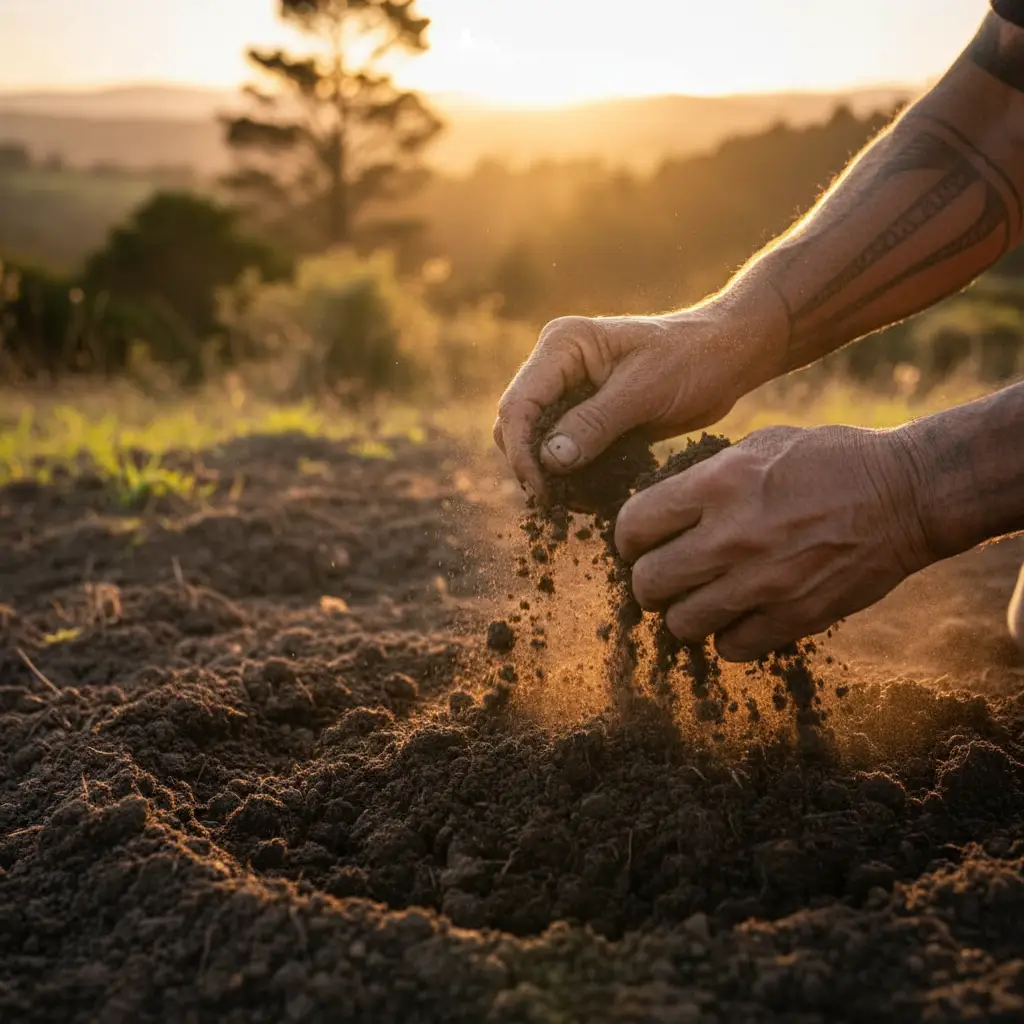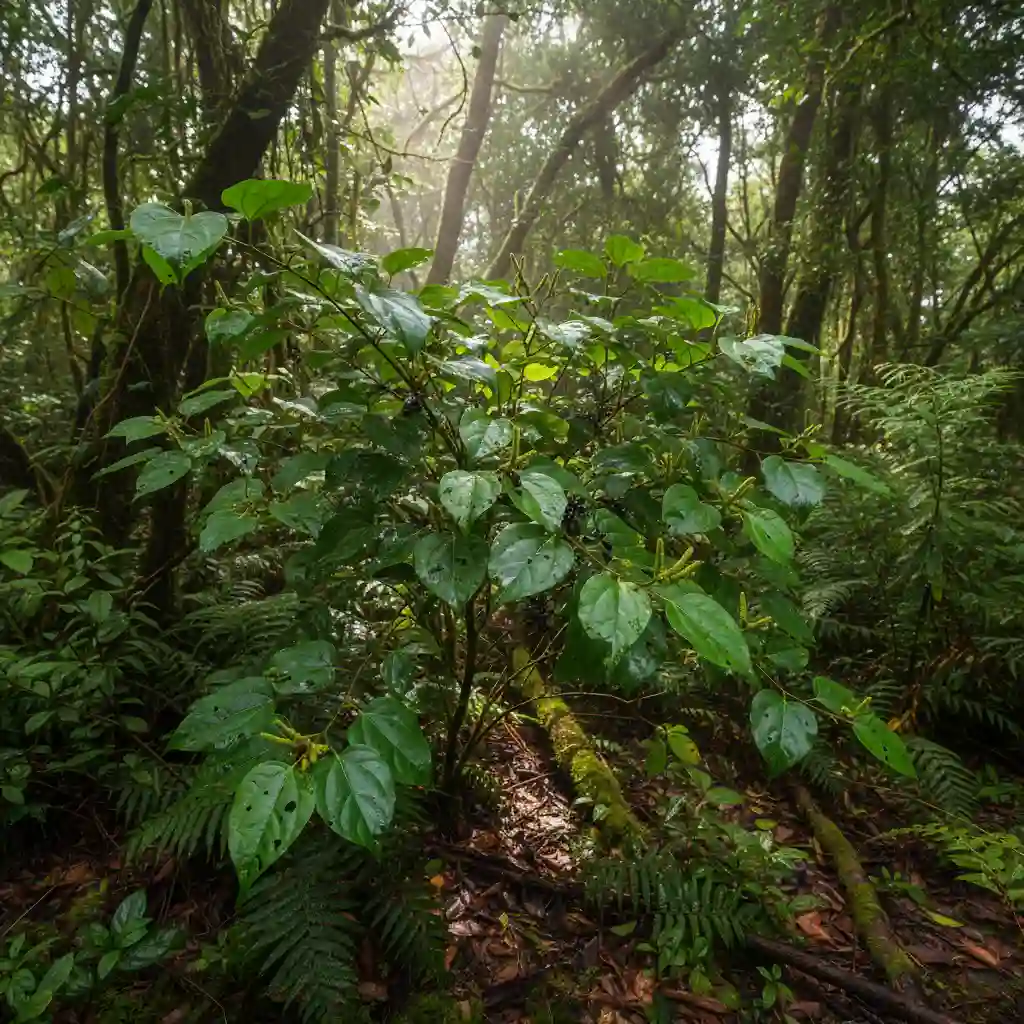
Creating a small space native garden NZ involves selecting container-friendly Rongoā species like Kawakawa and Horopito, utilizing vertical structures for climbers such as Puawananga, and establishing micro-climates to mimic forest conditions. By prioritizing free-draining soil mixes, appropriate pot sizes, and strategic wind protection, urban dwellers can cultivate a thriving, sustainable medicinal sanctuary on balconies, courtyards, or small patios.
The Foundations of Urban Rongoā
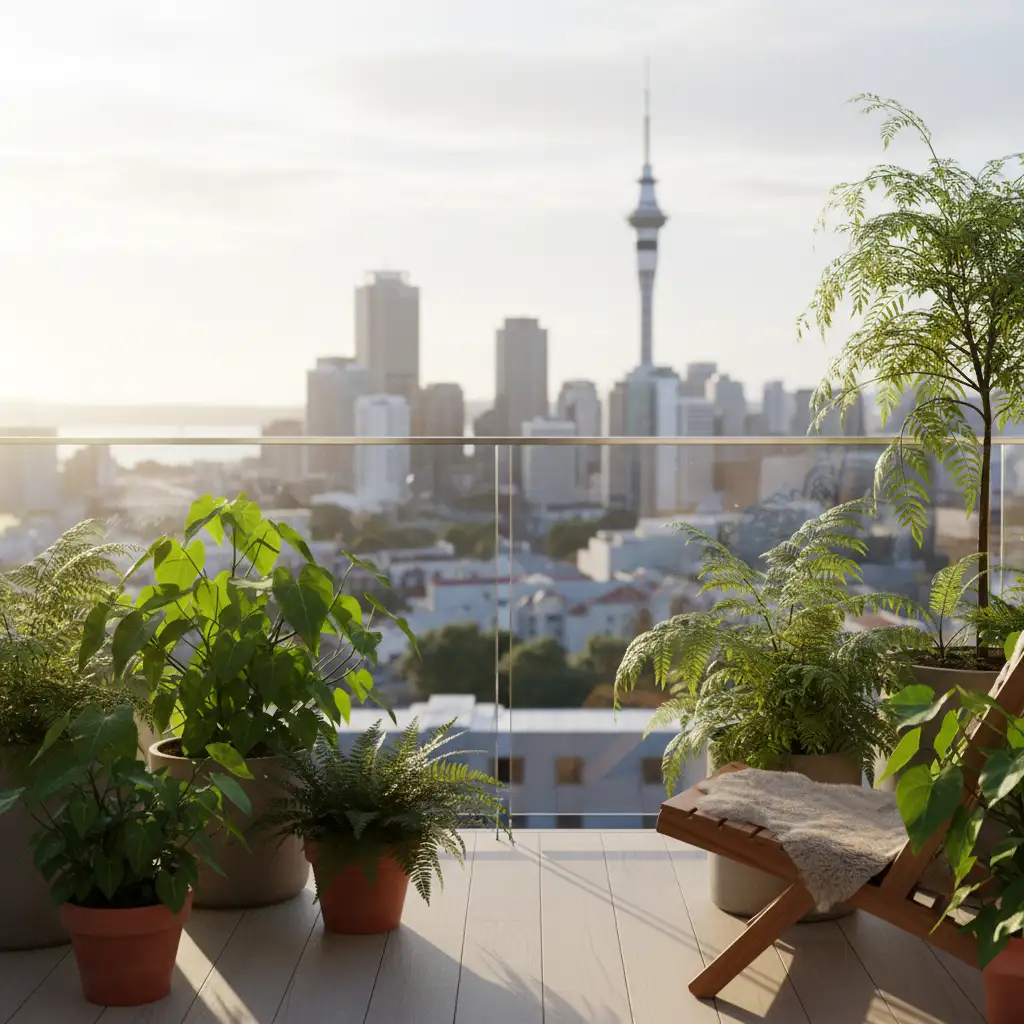
In the bustling heart of our cities, the call of the ngahere (forest) can sometimes feel distant. However, the practice of Rongoā Māori—traditional Māori healing—is not confined to vast tracts of wilderness. It is entirely possible, and indeed deeply rewarding, to cultivate a small space native garden NZ style, right on your apartment balcony or in a compact courtyard. Creating an urban Rongoā sanctuary is about more than just aesthetics; it is about re-establishing a connection with Papatūānuku (Earth Mother) and preserving the mauri (life force) of our taonga species within the concrete jungle.
The transition from wild forest to ceramic pot requires a specific set of horticultural skills and a deep understanding of plant physiology. When we remove a plant from its natural ecosystem, we become solely responsible for its wellbeing. In an urban setting, we must replicate the complex interactions of the forest floor—drainage, shade, humidity, and soil biology—within the confines of a container. This guide serves as a comprehensive resource for establishing a thriving medicinal garden in limited spaces, ensuring that even in the city, you have access to the healing gifts of Aotearoa’s flora.
Top Native Medicinal Plants for Pots and Balconies
Not all natives are suited for the confined root run of a container. Large forest giants like Tōtara or Rimu are obviously unsuitable, but many shrubby medicinal plants adapt wonderfully to pot culture if given the right care. Here are the top candidates for your urban sanctuary.
Kawakawa (Macropiper excelsum)
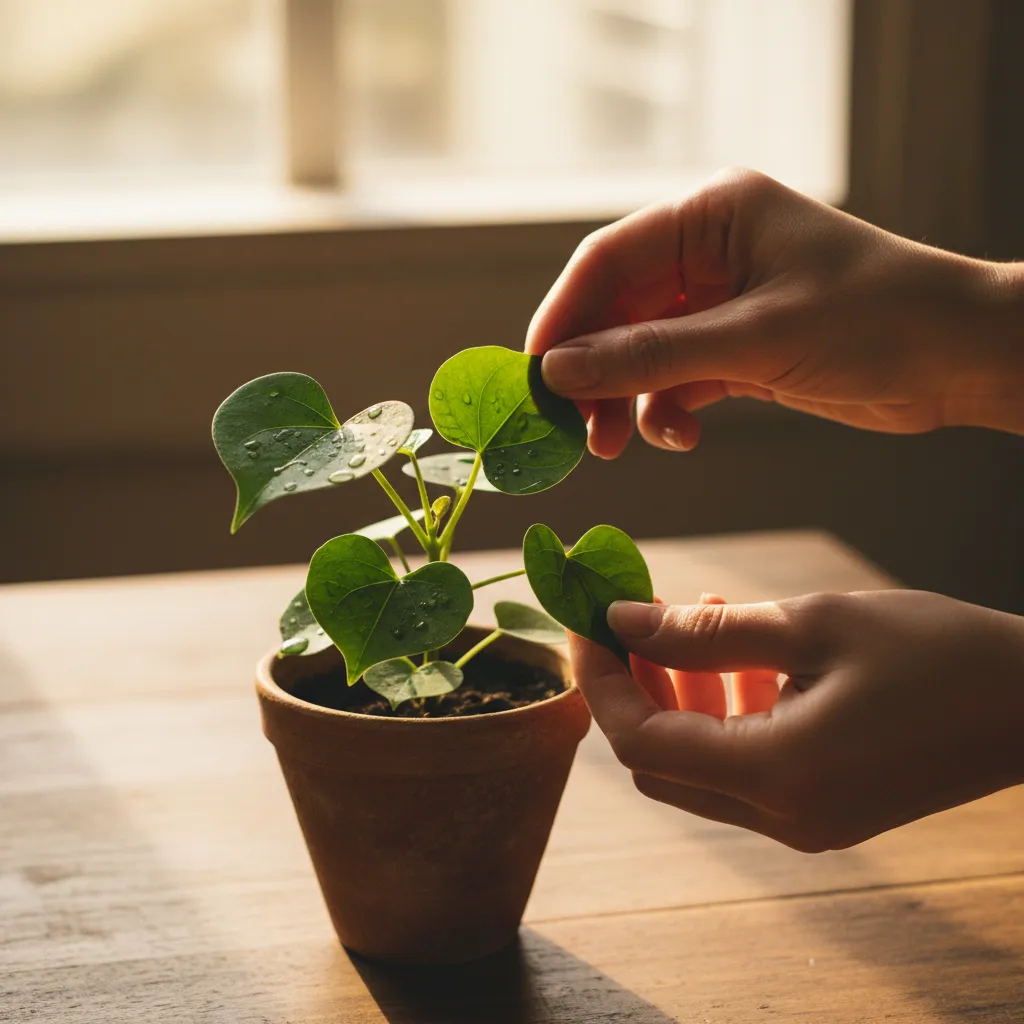
Known as the pharmacy of the forest, Kawakawa is perhaps the most versatile plant in the Rongoā repertoire. In the wild, it forms the understory, meaning it thrives in semi-shade. This makes it perfect for covered balconies or south-facing courtyards. When growing Kawakawa in a small space native garden NZ, choose a large pot (at least 40 litres) as they have a vigorous root system. The heart-shaped leaves are used for teas, poultices, and balms. Ensure the plant is protected from frost, as the tender leaves of young plants are susceptible to cold damage.
Horopito (Pseudowintera colorata)
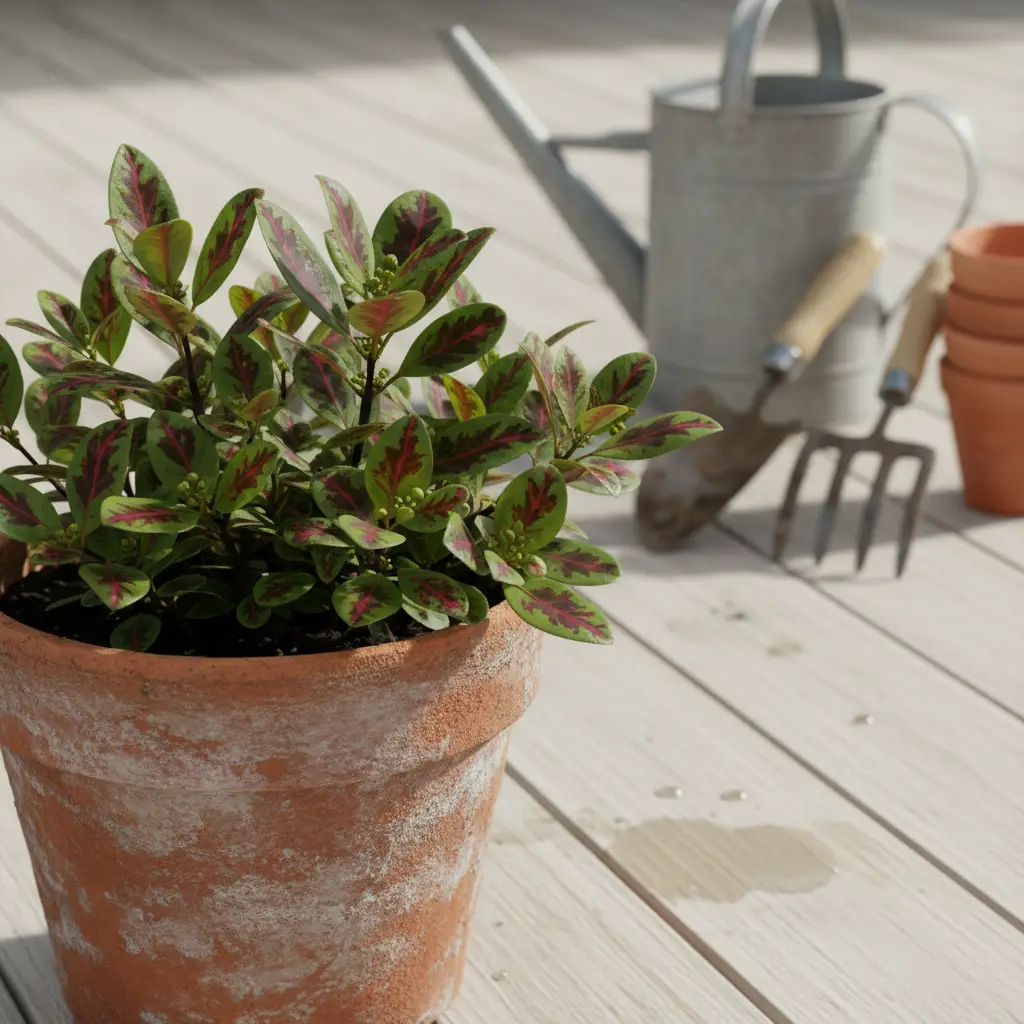
The ancient pepper tree, Horopito, is famous for its antifungal properties and hot, spicy leaves. This plant is exceptionally slow-growing, which is a significant advantage for container gardening. It prefers a spot with good airflow but protection from the harsh midday sun. The beautiful red-blotched leaves add a striking visual element to any urban garden. Horopito dislikes ‘wet feet,’ so a pot with superior drainage holes is non-negotiable.
Koromiko (Hebe spp.)
Koromiko is renowned for aiding digestive health. The Hebe genus is vast, and many varieties are naturally compact. Look for Hebe stricta or specific cultivars bred for compact growth. They are hardy, tolerate wind well (common in high-rise environments), and produce beautiful spikes of flowers that attract native bees. Koromiko is one of the easier Rongoā plants to maintain in a pot, making it ideal for beginners.
Manuka (Leptospermum scoparium)
While Manuka can grow into a tree, there are numerous dwarf cultivars available that retain the medicinal properties of the species. Manuka is tough and can tolerate more sun and wind than Kawakawa. The leaves can be used for tea and steam inhalations. In a pot, Manuka requires consistent watering; if the root ball dries out completely, it can be difficult to revive.
Vertical Gardening with Native Climbers
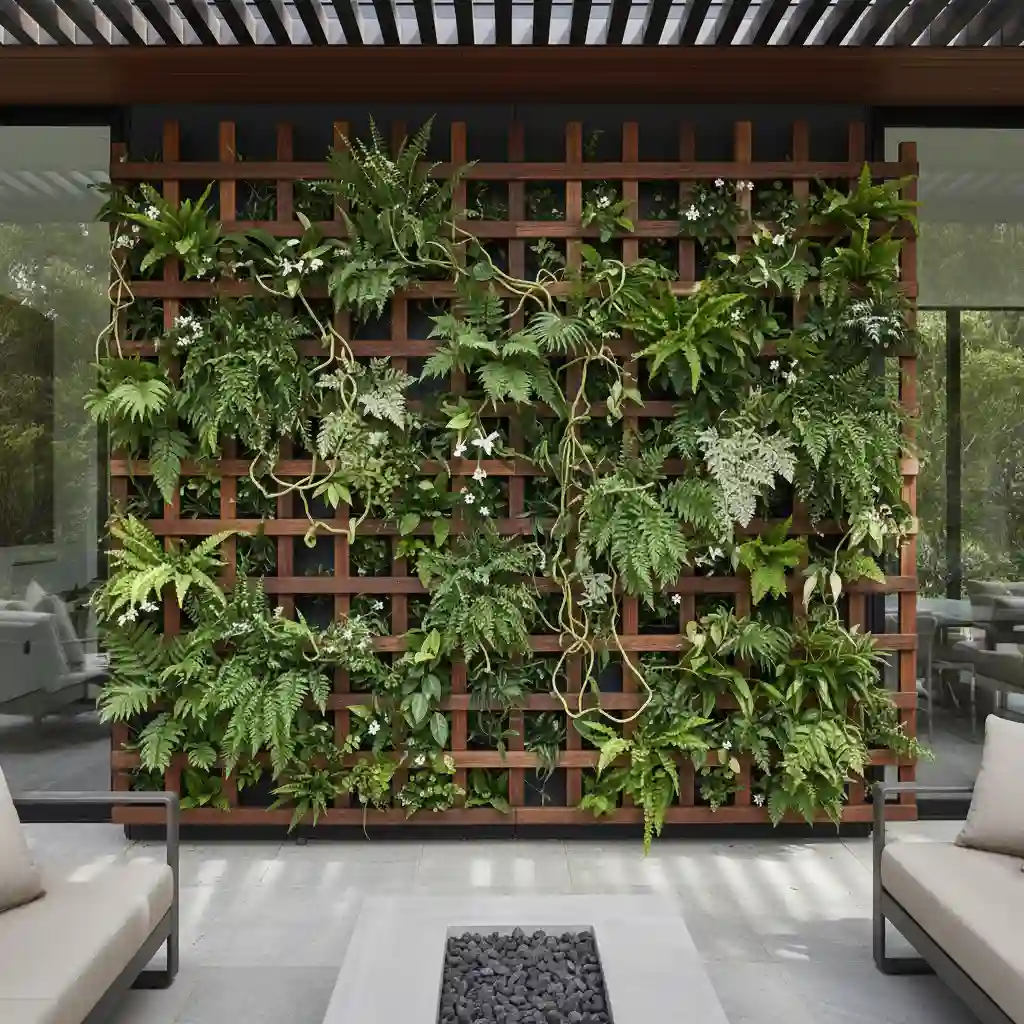
When floor space is at a premium, the only way is up. Vertical gardening is a crucial strategy for any small space native garden NZ. Utilizing trellises, wall planters, and hanging baskets allows you to maximize your yield of medicinal biomass without cluttering your walking area.
Puawananga (Clematis paniculata)
Known as the ‘Flower of the Skies’, Puawananga is a sacred plant in Rongoā, often associated with connection to the divine. It is a climber that requires a very specific setup: cool roots and a sunny head. In a container context, this means planting it in a deep pot, perhaps underplanted with a groundcover or mulched heavily with stones to keep the soil cool, while training the vine up a trellis into the sunlight. It is a stunning addition that brings soft, white blooms to harsh urban walls.
Tataramoa (Rubus cissoides)
While often known as ‘Bush Lawyer’ due to its thorns, Tataramoa is a powerful rongoā for relaxation and women’s health. It is a climber that can be trained along balustrades. However, caution is advised due to the barbs; it is best suited for a corner of a balcony where it won’t be brushed against accidentally. Regular pruning can keep it contained within a vertical frame.
Creating a Micro-Climate for Sensitive Natives
Urban environments present unique challenges: wind tunnels created by high-rise buildings, reflected heat from concrete, and pollution. To grow sensitive forest floor natives, you must engineer a micro-climate.
Wind Protection
Many medicinal natives, particularly those with large leaves like Kawakawa and Puka, resent strong winds which can shred their foliage and cause rapid dehydration. Use screening plants (like the hardy Akeake) or artificial windbreaks (bamboo screens or glass balustrades) to filter the prevailing wind. This protection reduces transpiration stress and keeps the humidity levels higher around your plants.
Humidity Management
Forest plants thrive on humidity. On a concrete balcony, the air can be incredibly dry. To counter this, group your pots together. As plants transpire, they release moisture; grouping them creates a humid pocket of air that benefits the whole cluster. You can also place pots on saucers filled with pebbles and water (ensuring the pot sits on the pebbles, not in the water) to increase ambient evaporation.
Soil Composition and Water Management
The success of your small space native garden NZ hinges entirely on what happens below the soil surface. Native plants generally have different requirements than exotic bedding plants.
The Perfect Potting Mix
Never use standard garden soil in pots; it compacts and suffocates roots. For NZ natives, you need a mix that mimics the forest duff—free-draining yet moisture-retentive. A recommended mix is:
- 60% High-quality organic potting mix (peat-free if possible).
- 20% Pumice or Perlite (for aeration and drainage).
- 20% Composted bark fines (to mimic forest floor acidity).
Avoid fertilizers high in phosphorus, as many NZ natives (especially Proteaceae) are sensitive to it. Use a slow-release fertilizer specifically formulated for natives.
Watering Regimes
Container plants are entirely dependent on you. In summer, wind and heat can dry a pot out in a single day. However, ‘killing with kindness’ via overwatering is also a risk. The goal is moist, not sodden, soil. Check your pots daily by inserting a finger 2-3cm into the soil. If it feels dry, water thoroughly until it runs out the bottom. If you are using saucers, ensure the pot is not sitting in stagnant water, which leads to root rot.
Sourcing Plants and Tikanga in the City
Establishing an urban Rongoā garden brings with it a responsibility to source plants ethically and sustainably. This aligns with the concept of Kaitiakitanga (guardianship).
Eco-Sourcing
Whenever possible, buy eco-sourced plants. This means the plants were grown from seeds collected in your specific ecological district. These plants are genetically adapted to your local climate and are more likely to thrive. Many specialist native nurseries in cities like Auckland, Wellington, and Christchurch label their plants with the source location.
Harvesting with Respect
In a small urban garden, your resource is limited. Tikanga (protocol) becomes even more critical when harvesting from a small potted plant. Never strip a plant bare. The general rule is to take only what you need and never more than the plant can sustain—usually less than 10-15% of the foliage at any one time for a container plant.
Before harvesting, take a moment to center yourself. Many practitioners recite a karakia (prayer) to acknowledge the plant’s sacrifice and the separation of Tāne (forest) and Rongo (cultivated food/peace). This spiritual aspect is what differentiates a Rongoā sanctuary from a simple native garden.
Frequently Asked Questions
What are the best NZ native plants for small pots?
For small pots, look for compact varieties. Hebe species (Koromiko), Libertia (NZ Iris), and dwarf flaxes (Phormium ‘Jack Spratt’) are excellent. Scleranthus biflorus (moss plant) creates a beautiful cushion effect in shallow bowls.
Can I grow Kawakawa indoors?
Kawakawa can be grown indoors, but it is challenging. It requires a bright room but out of direct scorching sun, and high humidity. Indoor heating often dries the air too much, so daily misting or a humidifier is usually necessary.
How do I prepare soil for a native container garden?
Mix a high-quality organic potting mix with plenty of pumice or grit (approx 20-30% volume) to ensure sharp drainage. NZ natives generally prefer slightly acidic soil and dislike waterlogging.
Is it legal to collect native plants from the wild for my garden?
Generally, no. You should not remove plants from public conservation land or reserves. It is best to purchase eco-sourced plants from reputable nurseries to ensure the wild populations remain undisturbed.
How often should I fertilize native plants in pots?
Natives are generally light feeders. Apply a slow-release, low-phosphorus fertilizer specifically for natives once in spring and perhaps a light top-up in late summer. Avoid heavy nitrogen feeding which produces soft, weak growth.
What is the best way to water vertical native gardens?
Vertical gardens dry out faster than standard pots. A drip irrigation system on a timer is the most effective method. If watering by hand, do so early in the morning to allow the plants to hydrate before the heat of the day.