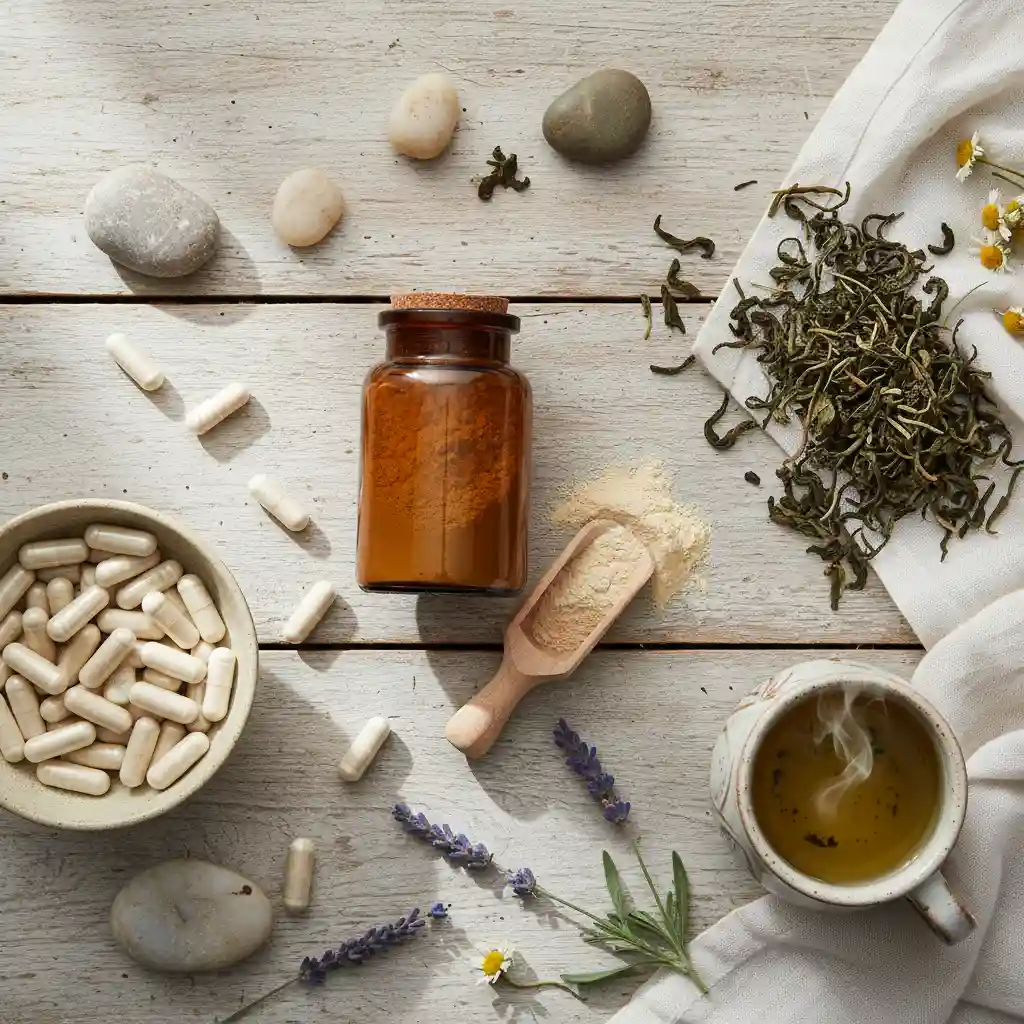
Saffron supplements benefits center primarily on their potent ability to regulate mood and emotional well-being by modulating neurotransmitters like serotonin and dopamine. Clinical studies indicate that standardized saffron extracts (typically 30mg daily) can significantly alleviate symptoms of mild to moderate depression, reduce premenstrual syndrome (PMS) severity, and curb appetite to support weight management efforts.
Known historically as the “Sunshine Spice,” Saffron (Crocus sativus) has transcended its culinary roots to become a cornerstone of modern clinical herbalism. In the context of New Zealand’s growing multi-cultural wellness sector, saffron is increasingly recognized not just as a luxury ingredient, but as a scientifically validated botanical intervention for mental health. As consumers seek natural alternatives to pharmaceuticals for mood stabilization and stress resilience, understanding the specific benefits of saffron supplements becomes essential.
The Science of Saffron: Depression and Anxiety
The most compelling argument for the integration of saffron into a wellness regimen lies in its profound impact on mental health. Recent pharmacological studies have isolated the primary bioactive compounds in saffron—crocin, crocetin, and safranal—and demonstrated their efficacy in treating mood disorders.
Mechanisms of Action
Saffron functions through a mechanism similar to traditional antidepressants, specifically Selective Serotonin Reuptake Inhibitors (SSRIs), though with a distinct botanical profile. The bioactive compounds in saffron are believed to inhibit the reuptake of mood-elevating neurotransmitters, including serotonin, dopamine, and norepinephrine. By keeping these chemicals in the brain for longer durations, saffron helps stabilize mood and induce a sense of calm.
Furthermore, saffron exhibits potent anti-inflammatory and antioxidant properties within the neural pathways. Neuroinflammation is increasingly cited as a contributing factor to depression and anxiety. By reducing oxidative stress in the brain, saffron supplements protect neural tissue and support overall cognitive resilience.
Clinical Evidence vs. Placebo
Multiple systematic reviews and meta-analyses have compared saffron supplementation against placebos and conventional pharmaceuticals. A landmark study highlighted in the Journal of Affective Disorders found that 30mg of standardized saffron extract was significantly more effective than a placebo in treating mild to moderate depression. Perhaps more notably, other trials have shown saffron to be non-inferior to fluoxetine (Prozac) and imipramine in specific contexts, often with fewer reported side effects such as sexual dysfunction.
Benefits for PMS and Hormonal Mood Swings
For many women, the luteal phase of the menstrual cycle brings about a cascade of physical and emotional challenges. Saffron supplements benefits extend significantly to the realm of women’s health, particularly in the management of Premenstrual Syndrome (PMS) and Premenstrual Dysphoric Disorder (PMDD).
Impact on Emotional Variability
The serotonin-modulating effects of saffron are particularly beneficial for PMS-induced irritability and low mood. Studies involving women aged 20 to 45 with regular menstrual cycles demonstrated that daily supplementation with 30mg of saffron significantly reduced the severity of PMS symptoms compared to placebo. Participants reported improvements in mood swings, anxiety, and tearfulness.
Alleviating Physical Symptoms
Beyond the emotional sphere, saffron has antispasmodic properties. This can be attributed to its ability to inhibit cyclooxygenase (COX) enzymes, similar to how non-steroidal anti-inflammatory drugs work. Consequently, consistent use of saffron supplements has been linked to a reduction in the physical discomforts of menstruation, including cramps and headaches, offering a holistic approach to cycle management.
Appetite Suppression and Weight Management
In the New Zealand wellness market, there is a distinct shift away from “fat burner” stimulants toward holistic weight management tools. Saffron has emerged as a key player in this niche, specifically regarding the psychological aspects of eating.
Targeting Emotional Eating
One of the unique saffron supplements benefits is its ability to reduce snacking frequency. This is not achieved by speeding up the metabolism, but rather by enhancing satiety through serotonin regulation. Low serotonin levels are often a trigger for carbohydrate cravings and emotional eating. By elevating serotonin, saffron helps mitigate the biological urge to snack on high-sugar foods in response to stress.
Clinical Trials on Satiety
Research published in Nutrition Research examined the effects of saffron extract on snacking habits in mildly overweight women. The results indicated that the group taking saffron felt significantly more satiated and snacked less frequently than the placebo group. Over an eight-week period, this reduction in caloric intake led to modest, sustainable weight loss without the jitters or cardiovascular strain associated with caffeine-based diet pills.
Understanding Standardized Extracts: Affron vs. Saffr’Activ
When conducting a commercial investigation into saffron supplements, it is critical to understand that not all saffron is created equal. The efficacy of the supplement relies entirely on the concentration of its bioactive components (Lepticrosalides). Generic powdered saffron often lacks the potency required for clinical results. Therefore, premium New Zealand health brands utilize patented, standardized extracts.
Affron®
Affron® is a new-generation saffron extract standardized to 3.5% Lepticrosalides. It is cultivated in Spain and extracted using a proprietary low-temperature process to preserve the bioactives. Affron has been the subject of multiple clinical studies specifically targeting mood, sleep quality, and stress. Supplements containing Affron are generally considered the gold standard for bioavailability and absorption.
Saffr’Activ®
Another high-quality standardized extract is Saffr’Activ®, often sourced from red saffron stigmas. It is standardized to a high percentage of crocin and safranal. This extract is frequently used in formulations targeting sleep and relaxation due to its specific chemical profile. When browsing New Zealand online health stores, checking the label for these trademarked names ensures you are purchasing a product with verified potency.
How to Choose High-Quality Saffron Supplements
Navigating the supplement aisle can be daunting. To ensure you harvest the full saffron supplements benefits, consider the following criteria before purchase.
1. Check the Dosage
Clinical efficacy is established at 28mg to 30mg per day. Products offering significantly less may be ineffective, while those offering significantly more are unnecessary and potentially wasteful. Ensure the product provides this dosage in either one or two capsules.
2. Verify the Source (Stigma vs. Petal)
The highest concentration of crocin and safranal is found in the stigma (the red threads) of the flower. Some cheaper supplements bulk up their product using the petals, which have almost no therapeutic value for mood. Look for labels that explicitly state “100% Stigma Extract” or use the standardized extracts mentioned above.
3. Purity and Additives
Given the high cost of saffron, adulteration is a risk in the global market. In the New Zealand context, look for products that have been third-party tested for purity. Avoid supplements heavily laden with fillers, artificial colors, or binders. Vegetable cellulose capsules are preferred for optimal dissolution.
Safety Profile and Recommended Dosage
While saffron is a natural botanical, it is potent and must be treated with respect. For the majority of the population, it is safe and well-tolerated.
Contraindications
Pregnant women should exercise caution. While culinary amounts are safe, therapeutic doses of saffron can stimulate uterine contractions. It is generally advised to avoid high-dose saffron supplementation during pregnancy unless under the direct supervision of a healthcare provider. Additionally, because saffron affects serotonin, those currently prescribed SSRIs or other antidepressants should consult their GP to avoid potential interactions (serotonin syndrome).
Side Effects
Side effects are rare at the standard 30mg dosage but can include dry mouth, dizziness, or nausea. High doses (above 5 grams) can be toxic. Stick strictly to the recommended daily intake provided by reputable manufacturers.
Frequently Asked Questions
How long does it take for saffron supplements to work for mood?
Most clinical studies indicate that noticeable improvements in mood and anxiety levels typically occur after 4 to 6 weeks of consistent daily supplementation. However, some users may report a subtle reduction in stress levels within the first two weeks.
Can I take saffron supplements with antidepressants?
You should always consult a healthcare professional before combining saffron with antidepressants. Since both affect serotonin levels, there is a theoretical risk of serotonin syndrome, although saffron is generally considered to have a milder mechanism of action.
Is saffron better than St. John’s Wort for depression?
Saffron is often preferred over St. John’s Wort because it has fewer drug interactions. St. John’s Wort is known to interfere with the metabolism of many medications, including birth control pills, whereas saffron has a cleaner safety profile in this regard.
What is the best time of day to take saffron?
Saffron can be taken at any time of the day. However, because it boosts serotonin (which converts to melatonin), many users prefer taking it in the late afternoon or evening to support relaxation and sleep quality, or with a main meal to aid absorption.
Does saffron help with menopause symptoms?
Yes, recent research suggests saffron can help alleviate hot flashes and mood fluctuations associated with menopause. Its influence on neurotransmitters helps regulate the emotional instability often seen during perimenopause and menopause.
Are there different types of saffron used in supplements?
Yes. The most effective supplements use extracts from the red stigmas of Crocus sativus. Standardized extracts like Affron® and Saffr’Activ® are processed to ensure a specific level of bioactive compounds (crocin and safranal), ensuring consistent results compared to generic raw powders.