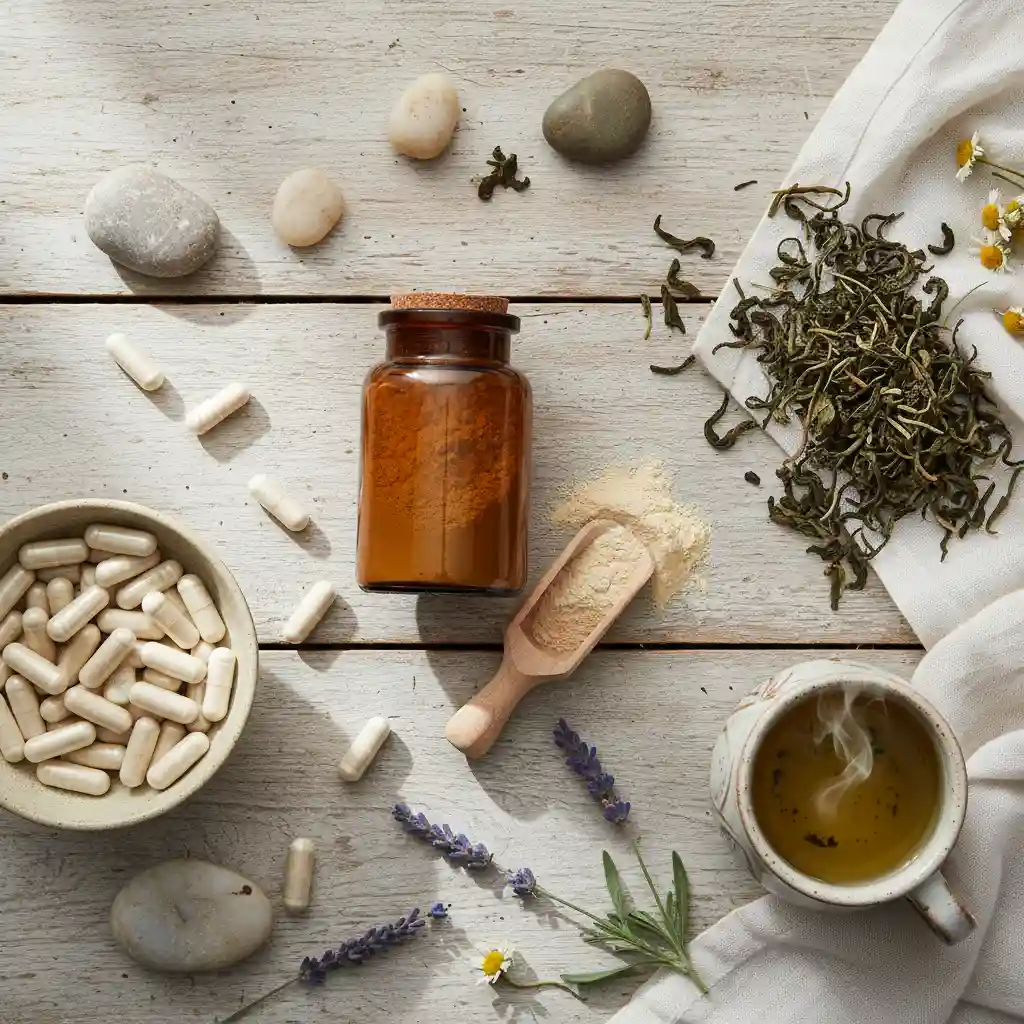
St John’s Wort (Hypericum perforatum) is a perennial flowering plant widely utilized in New Zealand’s natural health sector for the management of mild to moderate depression and anxiety. It functions primarily by inhibiting the reuptake of key neurotransmitters—serotonin, dopamine, and norepinephrine—thereby increasing their availability in the brain to stabilize mood. However, its potent ability to induce liver enzymes makes it a high-risk supplement for interactions with prescription medications.
Understanding St Johns Wort in the NZ Wellness Landscape
In the diverse landscape of New Zealand’s herbalism and wellness market, St John’s Wort stands out as one of the most clinically researched botanicals. Known scientifically as Hypericum perforatum, this yellow-flowering herb has a history of use dating back to ancient Greece, yet it remains a staple in modern Kiwi medicine cabinets. For many seeking natural alternatives to pharmaceuticals, st johns wort nz suppliers offer a range of preparations, from standardized capsules to traditional tinctures.
While often celebrated for its mood-lifting properties, it is imperative to approach this herb with a professional understanding of its pharmacology. Unlike mild herbal teas, St John’s Wort possesses a potent biological activity that rivals prescription antidepressants. Consequently, its integration into a wellness routine requires a nuanced understanding of when it is appropriate and, crucially, when it is contraindicated.
Therapeutic Applications in Mental Wellness
The primary clinical application of St John’s Wort is the treatment of depressive disorders. However, the distinction between severity levels is vital for effective and safe usage.
Efficacy for Mild to Moderate Depression
Extensive meta-analyses and clinical trials have demonstrated that St John’s Wort extracts are significantly more effective than a placebo and often as effective as standard antidepressants, such as selective serotonin reuptake inhibitors (SSRIs), for the treatment of mild to moderate depression. In the context of New Zealand’s mental health support, it offers a viable first-line option for individuals experiencing situational low mood, seasonal affective challenges, or mild dysthymia.
Patients often report improvements in core depressive symptoms, including:
- Persistent sadness or low mood.
- Loss of interest in daily activities.
- Fatigue and low energy levels.
- Sleep disturbances, particularly insomnia.
Limitations in Severe Depression
It is critical to note that evidence does not support the use of St John’s Wort for major depressive disorder (MDD) or severe depression accompanied by suicidal ideation or psychosis. In these scenarios, professional psychiatric intervention and pharmaceutical management are the required standards of care. Misinterpreting the potency of herbal remedies in severe cases can lead to treatment delays and worsening outcomes.
Anxiety and Somatic Symptoms
Beyond depression, secondary applications include the management of somatization disorder—where physical pain is manifested from psychological distress—and mild anxiety. The herb’s calming effects can assist in regulating the nervous system, although it is less commonly prescribed specifically for generalized anxiety disorder compared to herbs like Kava or Passionflower, which are also popular in the NZ market.
The Neurochemistry: How St John’s Wort Works
To understand the efficacy of St John’s Wort, one must look at the complex interplay of phytochemicals within the plant, specifically hypericin and hyperforin.
Neurotransmitter Reuptake Inhibition
The primary mechanism of action mimics that of synthetic antidepressants. Hyperforin, believed to be the primary active constituent regarding mood regulation, acts as a reuptake inhibitor. In a healthy brain, neurotransmitters are released into the synaptic cleft to transmit signals and are then reabsorbed (reuptake) by the transmitting neuron.
St John’s Wort inhibits this reuptake process for three critical neurotransmitters:
- Serotonin: Often called the “feel-good” chemical, serotonin regulates mood, sleep, and appetite. By keeping serotonin in the synaptic cleft longer, the herb helps elevate mood.
- Dopamine: Associated with the brain’s reward system, motivation, and pleasure. Dopamine regulation is crucial for combating the anhedonia (lack of pleasure) often seen in depression.
- Norepinephrine: This neurotransmitter affects attention, energy, and the fight-or-flight response. modulating norepinephrine helps address the lethargy and fatigue associated with depressive states.
GABA Receptor Modulation
Secondary mechanisms suggest that constituents in St John’s Wort may also influence Gamma-aminobutyric acid (GABA) receptors. GABA is the primary inhibitory neurotransmitter in the brain, responsible for reducing neuronal excitability. By modulating GABA activity, the herb may contribute to a reduction in anxiety and an improvement in sleep quality, providing a holistic approach to mental wellness.
CRITICAL: Drug Interactions and Safety Warnings
This section constitutes the most important safety information regarding St John’s Wort. While natural, this herb is not benign. It is a potent inducer of the cytochrome P450 enzyme system (specifically CYP3A4) and the P-glycoprotein transporter. In layman’s terms, St John’s Wort speeds up the liver’s ability to process and eliminate medications, thereby reducing the effectiveness of those drugs.
The Risk of Serotonin Syndrome
Combining St John’s Wort with prescription antidepressants (SSRIs like Fluoxetine or Citalopram, or SNRIs like Venlafaxine) is dangerous. Since both the herb and the drugs increase serotonin levels, taking them together can lead to Serotonin Syndrome. This is a potentially life-threatening condition characterized by agitation, confusion, rapid heart rate, high blood pressure, dilated pupils, and muscle rigidity.
Interference with Life-Sustaining Medications
Because St John’s Wort accelerates drug metabolism, it can render critical medications ineffective. New Zealanders taking the following medications must avoid this herb unless under strict medical supervision:
- Oral Contraceptives (The Pill): St John’s Wort can increase the breakdown of hormones, leading to breakthrough bleeding and unintended pregnancy.
- Anticoagulants (e.g., Warfarin): It reduces the blood-thinning effect, significantly increasing the risk of clots and stroke.
- Immunosuppressants (e.g., Cyclosporine): For transplant patients, reducing the efficacy of these drugs can lead to organ rejection.
- HIV Medications (Protease Inhibitors): The herb can dangerously lower blood levels of antiretroviral drugs, leading to treatment failure and viral resistance.
- Chemotherapy Agents: Various cancer treatments may be compromised by the concurrent use of this herbal supplement.
If you are currently browsing st johns wort nz products and are on any chronic medication, consultation with a pharmacist or General Practitioner (GP) is non-negotiable.
Photosensitivity: A Specific Risk for New Zealanders
A side effect specific to St John’s Wort is photosensitivity. The compound hypericin is phototoxic; when it accumulates in the skin and reacts with sunlight, it can cause severe dermatitis or exaggerated sunburns.
The New Zealand Context
This side effect is particularly relevant in New Zealand. Due to the country’s location relative to the ozone hole and the elliptical orbit of the earth during the southern hemisphere’s summer, UV radiation levels in NZ are approximately 40% higher than at similar latitudes in the northern hemisphere.
Individuals with fair skin taking therapeutic doses of St John’s Wort are at a significantly higher risk of burning. If you are using this supplement during the NZ summer:
- Apply high SPF broad-spectrum sunscreen religiously.
- Wear protective clothing and hats when outdoors.
- Avoid tanning beds and prolonged sunbathing.
- Monitor your skin for any prickling sensations or unusual redness.
When to Choose St John’s Wort
Deciding to integrate St John’s Wort into a health regimen should be a calculated decision based on the severity of symptoms and lifestyle factors.
Ideal Candidates
St John’s Wort is best suited for adults who:
- Are experiencing mild to moderate depression or seasonal affective disorder (SAD).
- Are not currently taking prescription medications, or have cleared interactions with a doctor.
- Prefer a natural approach before attempting synthetic pharmaceuticals.
- Are willing to adhere to sun safety protocols.
Standardization and Quality
When purchasing products in the New Zealand market, look for “standardized extracts.” Raw herb powder varies wildly in potency. Clinical efficacy is usually associated with extracts standardized to contain 0.3% hypericin or 2-5% hyperforin. This ensures that the dosage you are taking is consistent with the dosages used in clinical trials.
In New Zealand, dietary supplements are regulated, but quality can vary. Opt for reputable brands that provide transparency regarding the source and concentration of their extracts. Whether in tablet, capsule, or liquid tincture form, consistency in dosage is key to achieving the desired therapeutic outcome, which typically takes 3 to 6 weeks of regular use to manifest.
Frequently Asked Questions
Can I take St John’s Wort with antidepressants?
No, you should generally not take St John’s Wort with prescription antidepressants, including SSRIs and MAOIs. Doing so can lead to Serotonin Syndrome, a dangerous condition caused by excessive serotonin accumulation in the brain. Always consult your GP before combining mood-altering substances.
Is St John’s Wort legal in New Zealand?
Yes, St John’s Wort is legal in New Zealand. It is widely available as a dietary supplement in health food stores and pharmacies. However, depending on the dosage and marketing claims, some high-strength formulations may be classified as pharmacy-only medicines.
How long does it take for St John’s Wort to work?
Like prescription antidepressants, St John’s Wort is not an immediate fix. It typically takes between 3 to 6 weeks of consistent daily usage to notice a significant improvement in mood and reduction in depressive symptoms.
Does St John’s Wort affect birth control pills?
Yes, St John’s Wort can significantly reduce the effectiveness of oral contraceptives (the pill) and other hormonal birth control methods. This increases the risk of breakthrough bleeding and unintended pregnancy. Women on birth control should use alternative barrier methods or avoid this herb.
Can I drink alcohol while taking St John’s Wort?
It is generally recommended to limit or avoid alcohol while taking St John’s Wort. Alcohol is a depressant and can counteract the mood-lifting benefits of the herb. Furthermore, the combination may cause increased drowsiness or dizziness.
What are the most common side effects of St John’s Wort?
The most common side effects include gastrointestinal upset (nausea, stomach pain), dry mouth, dizziness, fatigue, and photosensitivity (increased sensitivity to sunlight). While generally well-tolerated, these effects can occur, particularly at higher doses.