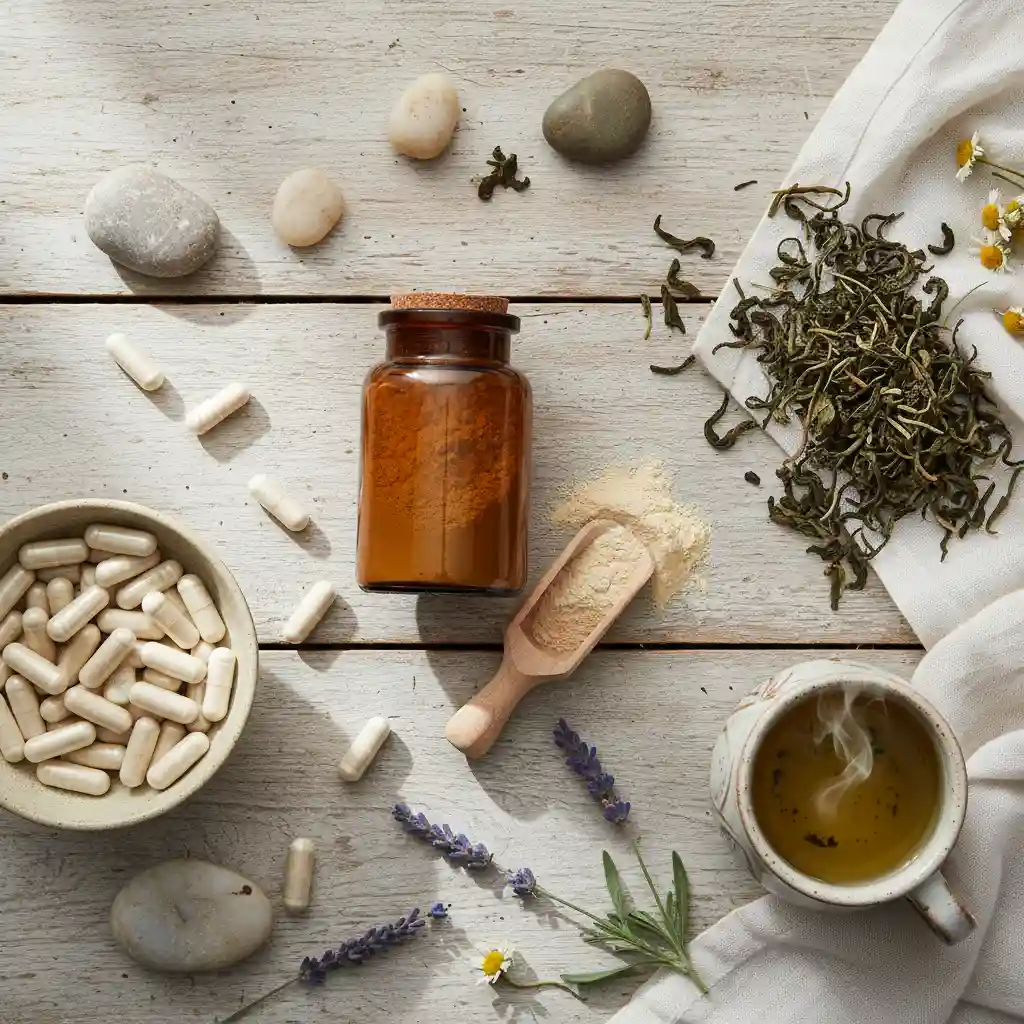
Tart cherry juice improves sleep primarily because it is one of the few natural food sources rich in melatonin, the hormone responsible for regulating the sleep-wake cycle. Additionally, it contains tryptophan and anthocyanins, compounds that help the body synthesize serotonin and reduce inflammation, leading to increased sleep duration and improved sleep efficiency for those suffering from insomnia.
In the bustling landscape of New Zealand’s wellness market, sleep deprivation has become a silent epidemic. From the busy corporate centers of Auckland to the agricultural heartlands, Kiwis are increasingly turning away from synthetic pharmaceuticals in favor of holistic, plant-based remedies. Among these, tart cherry juice sleep protocols have emerged as a scientifically backed solution for insomnia and restless nights.
Unlike standard sweet cherries, the Montmorency tart cherry (Prunus cerasus) possesses a unique phytochemical profile that directly interacts with human circadian biology. For practitioners of multi-cultural herbalism in Aotearoa, the tart cherry represents a bridge between modern nutritional science and traditional reliance on fruit-based medicine. This guide investigates the commercial landscape of tart cherry products available in New Zealand, analyzing their efficacy, biological mechanisms, and value proposition for the sleep-deprived consumer.
The Biochemistry of Montmorency Cherries: Natural Melatonin
To understand why tart cherry juice is effective for sleep, one must look beyond the macronutrients and examine the complex phytochemistry of the fruit. The primary mechanism of action lies in its high concentration of exogenous melatonin. Melatonin is a pineal hormone that signals to the body that it is time to rest, lowering core body temperature and inducing drowsiness.
While many plants contain trace amounts of melatonin, Montmorency cherries are distinct. Research indicates they contain up to six times more melatonin than other cherry varieties. However, the sleep-inducing properties are not solely due to melatonin content. The fruit is also rich in tryptophan, an essential amino acid that serves as a precursor to serotonin, which is subsequently converted into melatonin in the brain.
The Role of Anthocyanins and Enzyme Inhibition
A critical, often overlooked factor is the role of anthocyanins—the pigments that give the cherries their deep red colour. In the context of New Zealand herbalism, where antioxidant capacity is highly valued, these compounds are significant. Anthocyanins inhibit the enzymes indoleamine 2,3-dioxygenase (IDO), which degrades tryptophan. By inhibiting IDO, tart cherry compounds preserve tryptophan availability for serotonin and melatonin synthesis. This creates a synergistic effect: the juice provides direct melatonin while simultaneously enhancing the body’s ability to produce its own.
Impact on Sleep Duration and Quality
For the consumer investigating commercial options, anecdotal evidence is insufficient. Clinical trials have provided robust data supporting the use of tart cherry juice for insomnia. Studies involving older adults—a demographic often plagued by sleep maintenance insomnia—have shown statistically significant improvements.
Extending Sleep Time
Research published in reputable nutrition journals has demonstrated that participants consuming tart cherry juice concentrate twice daily experienced an increase in total sleep time by approximately 40 to 84 minutes. For a Kiwi struggling with chronic sleep debt, gaining an extra hour of rest per night is transformative. This extension in sleep duration is attributed to the sustained release of melatonin and the reduction of inflammatory cytokines that can disrupt sleep cycles.
Improving Sleep Efficiency
Sleep efficiency refers to the ratio of time spent asleep to the total time spent in bed. Low sleep efficiency is characterized by trouble falling asleep (sleep latency) or frequent waking during the night (sleep fragmentation). Tart cherry juice has been shown to improve sleep efficiency significantly. By modulating the circadian rhythm, it helps align the body’s internal clock with the external environment, which is particularly beneficial for shift workers in New Zealand or those suffering from jet lag after long-haul international travel.
Form Matters: Juice vs. Capsules
When browsing shelves in NZ health stores or online marketplaces, consumers are faced with a choice: liquid concentrate or encapsulated powder. Both forms have distinct advantages and drawbacks depending on the user’s lifestyle and health goals.
Liquid Concentrates
Pros:
- Bioavailability: Liquids are generally absorbed faster by the digestive system.
- Hydration: Consuming the concentrate mixed with water contributes to daily fluid intake.
- Versatility: It can be mixed into smoothies, sparkling water, or warm herbal teas (a popular method in NZ wellness circles).
Cons:
- Sugar Content: Even though the sugar is natural (fructose), it can be a concern for those managing diabetes or strict ketogenic diets.
- Taste: As the name implies, the flavour is tart and acidic, which may not be palatable to everyone.
Capsules (Freeze-Dried Powder)
Pros:
- Convenience: Ideal for travel or for those who dislike the taste of the juice.
- Low Sugar: Capsules provide the phytochemicals without the accompanying fruit sugars.
- Standardization: High-quality NZ supplements often list the exact milligram dosage of anthocyanins per capsule.
Cons:
- Slower Absorption: The capsule must dissolve before the nutrients are released.
- Volume: To match the phytochemical content of a glass of juice, one may need to take multiple capsules.
Beyond Sleep: Anti-Inflammatory Side Benefits
In the context of New Zealand’s active outdoor lifestyle, the benefits of tart cherry extend well beyond the bedroom. The same compounds that aid sleep also possess potent anti-inflammatory properties, making this supplement a dual-action remedy for holistic wellness.
Muscle Recovery for the Active Kiwi
New Zealanders are renowned for their sporting culture, from rugby to hiking (tramping). Intense physical activity leads to oxidative stress and muscle damage. Tart cherry juice has become a staple in the recovery protocols of elite athletes. The high antioxidant capacity helps neutralize free radicals produced during exercise, reducing delayed onset muscle soreness (DOMS) and accelerating strength recovery. Taking tart cherry juice for sleep also aids recovery, as the majority of muscle repair occurs during deep, slow-wave sleep.
Gout and Joint Health
Gout is a significant health issue in New Zealand, particularly within Māori and Pasifika communities due to genetic predispositions. Tart cherry juice is historically and scientifically validated to lower uric acid levels in the blood. By reducing uric acid crystallization in the joints, it can prevent gout flares. For individuals suffering from arthritis or gout-related pain, the analgesic effect of tart cherries can further improve sleep quality by removing the physical discomfort that keeps them awake.
Best Tart Cherry Products in NZ: A Buyer’s Guide
Navigating the New Zealand market requires a discerning eye. Not all cherry products are created equal. Many cheaper alternatives use sweet cherries or blends that lack the medicinal potency of the Montmorency variety. Here is what to look for when conducting a commercial investigation into the best products available in NZ.
1. Variety Specification
Ensure the label explicitly states “Montmorency” or “Prunus cerasus.” Products labeled simply as “Cherry Juice” are often made from sweet cherries, which have negligible melatonin content and will not be effective for insomnia.
2. Concentration Strength
For liquid products, look for “Concentrate.” A high-quality concentrate usually requires a dilution ratio of 1:7 or similar. This indicates a high density of cherries per serving. Some premium NZ brands boast that a single serving contains the equivalent of 80 to 100 cherries.
3. Origin and Processing
While Montmorency cherries are native to the Northern Hemisphere (often imported from the USA or Europe), many NZ companies import the raw concentrate and bottle it locally under strict New Zealand food safety standards. Look for “Cold-Pressed” or “Freeze-Dried” manufacturing methods. Heat pasteurization can degrade the delicate melatonin and anthocyanin compounds.
4. Additive-Free
The best products for wellness are 100% pure. Avoid products with added sugars, preservatives (like sodium benzoate), or artificial flavours. In the NZ herbalism market, purity is paramount. Check the ingredient list; it should ideally contain one item: Tart Cherry Concentrate.
Top Retail Channels in NZ
- Health 2000 & Hardy’s: These specialty health stores typically stock premium brands like Cherryite or Just Cherry, which are often practitioner-grade.
- Chemist Warehouse & Life Pharmacy: These outlets often carry capsule forms (e.g., from brands like GO Healthy or Sanderson) which are convenient and widely accessible.
- Supermarkets (Countdown/New World): While they stock cherry juice, be cautious. Many supermarket brands are diluted drinks rather than therapeutic concentrates. Always read the nutritional panel.
People Also Ask
How much tart cherry juice should I drink for sleep?
Clinical studies typically suggest consuming roughly 30ml (2 tablespoons) of tart cherry juice concentrate diluted in water, taken twice daily. The most important dose is the one taken 30 to 60 minutes before bedtime to align with the body’s natural melatonin production cycle.
Does tart cherry juice work immediately for insomnia?
While some individuals report immediate drowsiness, tart cherry juice is a nutritional therapy rather than a sedative drug. It generally works best with cumulative use. Most studies show significant improvements in sleep duration and quality after 5 to 7 days of consistent daily intake.
Can I give tart cherry juice to children for sleep?
Generally, tart cherry juice is considered safe for children as it is a food product. However, because it contains natural sugar and affects hormones (melatonin), the dosage should be significantly reduced compared to adults. It is always advisable to consult with a New Zealand paediatrician or GP before introducing supplements to a child’s diet.
Are there side effects to taking tart cherry juice?
Tart cherry juice is safe for most people. However, due to its high sorbitol content, excessive consumption can cause digestive issues like bloating or diarrhea. Additionally, those on blood-thinning medication should consult a doctor, as the high concentration of quercetin in cherries can affect blood clotting time.
Is tart cherry juice better than melatonin supplements?
For many, tart cherry juice is preferred over synthetic melatonin because it offers a complex matrix of nutrients (anthocyanins, tryptophan) that support the body’s own sleep mechanisms rather than just overriding them. This often results in fewer side effects like morning grogginess or vivid dreams associated with high-dose synthetic melatonin.
Can I brush my teeth immediately after drinking tart cherry juice?
It is recommended to wait at least 30 minutes after drinking tart cherry juice before brushing your teeth. The juice is acidic and can soften tooth enamel; brushing immediately can cause enamel erosion. Rinsing your mouth with water immediately after consumption is a good practice.