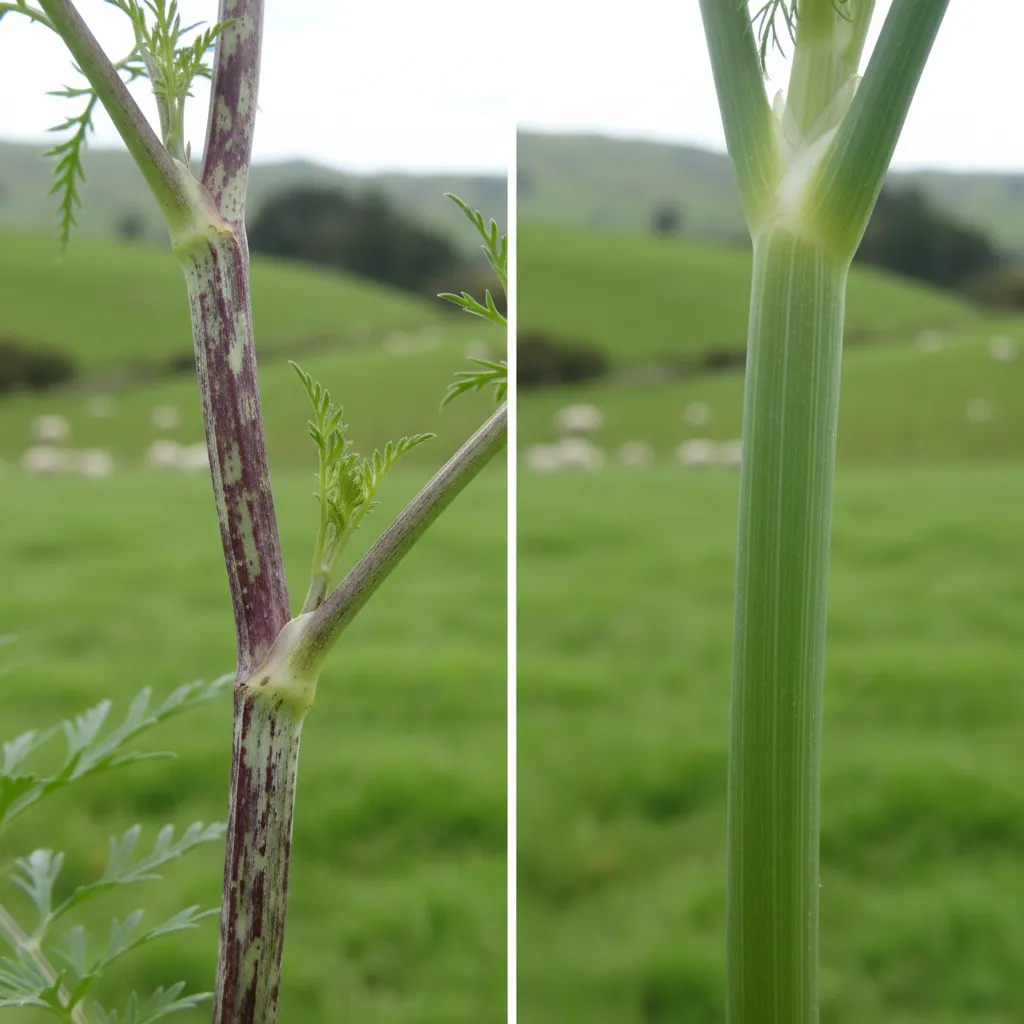
Tupakihi rongoa refers to the traditional medicinal application of the Tutu plant (Coriaria arborea), primarily utilized for healing broken bones, severe bruising, and joint inflammation. While the plant is highly toxic if ingested due to the neurotoxin tutin, prepared poultices applied externally are a cornerstone of Māori herbal medicine for deep tissue and skeletal recovery.
Introduction to Tupakihi Rongoa
In the rich tapestry of New Zealand’s botanical heritage, few plants command as much respect and caution as the Tutu (Coriaria arborea). Known in the realm of traditional Māori healing as tupakihi rongoa, this plant represents the duality of nature: it possesses the capacity to cause lethal harm if misused, yet offers profound healing capabilities when treated with the appropriate tikanga (protocols) and knowledge.
For practitioners of Rongoā Māori and enthusiasts of multi-cultural herbalism in New Zealand, understanding Tupakihi is a rite of passage. It is often referred to as the “bone knitter” of the New Zealand bush, holding a reputation similar to Comfrey in European herbalism, but with a significantly higher risk profile. This guide serves as a professional resource for understanding the applications of Tupakihi, emphasizing the strict safety measures required to harness its power without falling victim to its potent toxins.
The Toxicity of Tutu: Why Caution is Vital
Before exploring the therapeutic benefits of tupakihi rongoa, it is ethically and medically necessary to address the plant’s toxicity. The Tutu plant is responsible for the majority of livestock poisoning cases in New Zealand and has a documented history of causing human fatalities.
The Neurotoxin: Tutin
All parts of the Tutu plant—seeds, leaves, stems, and roots—contain a potent neurotoxin known as tutin. This substance acts as a glycine receptor antagonist. In layman’s terms, it disrupts the nervous system’s ability to regulate electrical signals, leading to over-excitation of the neurons.
Symptoms of tutin poisoning are severe and rapid, often including:
- Nausea and vomiting
- Blurred vision
- Delirium and confusion
- Violent convulsions and seizures
- Respiratory failure
Because of this, there is no margin for error when handling the plant. Unlike many other herbal remedies where dosage is flexible, Tupakihi demands precision. The only part of the plant historically consumed was the fleshy petals surrounding the seeds (the juice), but even this required straining the toxic seeds with absolute perfection—a practice that is largely discouraged today due to the high risk involved.
The Toxic Honey Phenomenon
The toxicity of Tutu is so pervasive that it can contaminate other food sources. The most famous example is “toxic honey.” When the passion vine hopper (Scolypopa australis) feeds on the sap of the Tutu plant, it excretes a honeydew that bees subsequently collect. This results in honey containing tutin, which can be dangerous to humans. This highlights the systemic potency of the plant and underscores why tupakihi rongoa is predominantly an external therapy in modern practice.
External Use Only: Poultices for Broken Bones
The primary and safest application of tupakihi rongoa is topical. For centuries, Māori healers have utilized the plant to treat severe physical trauma. It is widely regarded as one of the most effective native plants for addressing skeletal injuries.
The “Bone Knitter” Effect
When a bone is fractured, the surrounding tissue becomes inflamed, and the healing process relies on the body’s ability to bridge the gap between bone fragments. Tupakihi is believed to accelerate this process significantly. The active compounds, when applied transdermally, appear to stimulate blood flow and reduce the profound hematomas (deep bruising) that accompany fractures.
By reducing the swelling and clearing the blood stasis around the injury, the plant creates an optimal environment for the periosteum (the membrane covering the bone) to repair itself. This has led to the plant’s moniker as a “bone knitter,” used to set fractures that might otherwise heal poorly or slowly.
Treating Deep Tissue Injury
Beyond broken bones, Tupakihi is exceptionally effective for:
- Severe Sprains: Ligament damage that involves significant swelling responds well to Tupakihi poultices.
- Deep Bruising: It helps the body reabsorb pooled blood, reducing the duration of discoloration and pain.
- Arthritic Pain: While not a cure for arthritis, the anti-inflammatory action can provide temporary relief for flared joints when applied as a balm or compress.
Traditional Preparation and Safety Protocols
Preparing tupakihi rongoa requires adherence to strict safety protocols. If you are foraging or preparing this yourself, it is advisable to do so under the guidance of an experienced Rongoā practitioner.
Harvesting Protocols
In Te Ao Māori, harvesting is not merely a physical act but a spiritual one. It begins with Karakia (prayer) and an acknowledgment of the forest (Tāne Mahuta). Sustainable harvesting ensures the plant continues to thrive. Only take what is needed, and never strip a bush bare.
Safety Gear: When harvesting Tutu, it is recommended to wear gloves. While the toxin is primarily dangerous upon ingestion, sap entering open cuts or mucous membranes can still pose a risk. Thorough hand washing after handling the plant is mandatory.
Creating the Poultice
The traditional method for creating a poultice involves the following steps:
- Selection: Select young, vigorous shoots and leaves. These are often softer and easier to process.
- Boiling: The plant material is placed in a pot dedicated solely to Rongoā (medicinal use)—never use a pot that will later be used for cooking food. The leaves are boiled in water until they break down into a soft, dark green pulp. Boiling helps to soften the cellulose, making the compounds more bioavailable for skin absorption.
- Application: The water is drained (and disposed of carefully, away from animals/waterways), and the warm pulp is applied directly to the skin over the affected area.
- Binding: The poultice is wrapped with a cloth or bandage to hold it in place. It is typically left on for several hours or overnight.
Note: Some modern herbalists incorporate the boiled plant matter into oils or balms (using a carrier oil like olive or coconut oil and beeswax) to create a shelf-stable topical ointment. This dilutes the potency slightly but makes it safer and more convenient for daily application on joints.
Understanding the Healing Mechanisms
Scientific research into the pharmacological properties of Coriaria arborea is less extensive than its toxicological profile, but the mechanisms of tupakihi rongoa can be inferred through its phytochemical makeup and observed effects.
Anti-Inflammatory Action
The reduction of inflammation is key to pain relief. By modulating the inflammatory response, Tupakihi prevents the excessive swelling that can restrict blood flow to an injury site. This allows nutrient-rich blood to reach the fracture or tear, speeding up the repair of collagen and bone matrix.
Counter-Irritation
Some herbalists suggest that Tupakihi acts as a mild counter-irritant. When applied to the skin, it stimulates superficial nerve endings, which can distract the brain from deep-seated pain (gate control theory) and simultaneously increase local circulation. This increased circulation flushes out metabolic waste products accumulated from the injury.
Success Stories in Joint Recovery
Within the New Zealand wellness community, anecdotal evidence supporting the efficacy of Tupakihi is overwhelming. From rugby players to the elderly, many have turned to this native plant when conventional anti-inflammatories failed to provide relief.
Sports Medicine Applications
In the high-impact world of New Zealand rugby and netball, recovery time is currency. Athletes suffering from hairline fractures or high-ankle sprains have reported significantly reduced recovery times when utilizing Tupakihi balms. One common narrative involves the reduction of “puffy” joints—knees or ankles that retain fluid long after the initial injury. Regular application of Tupakihi appears to help drain this fluid, restoring mobility.
Arthritis Management
For the elderly suffering from osteoarthritis, Tupakihi offers a natural alternative to oral painkillers. While it does not regenerate cartilage, users report a “loosening” of stiff joints, particularly in the hands and knees. This allows for greater movement, which in itself is therapeutic for arthritic conditions.
Legal and Safety Disclaimers
As a professional herbal resource, we must state the legal and safety boundaries surrounding tupakihi rongoa.
Medical Disclaimer
The information provided in this article is for educational purposes only and does not constitute medical advice. Tupakihi is a toxic plant. Do not ingest any part of the plant. Do not use homemade preparations on open wounds where the toxin could enter the bloodstream directly. Always consult with a qualified medical professional or a Tohunga Rongoā (expert healer) before attempting to treat serious injuries.
Regulatory Context
In New Zealand, the sale of honey is strictly regulated to prevent tutin poisoning. Beekeepers must test honey produced in areas where Tutu is prevalent. However, the sale of herbal balms containing Tupakihi is generally permitted provided they are for external use only and labeled with appropriate warnings.
Child and Pet Safety
If you choose to grow Tutu or harvest it, ensure it is kept away from children and livestock. The berries (which appear black and juicy when ripe) are attractive to children but are highly poisonous. Education is the best prevention.
People Also Ask
Is the Tupakihi plant poisonous to humans?
Yes, the Tupakihi (Tutu) plant is highly poisonous to humans and animals. It contains tutin, a neurotoxin that attacks the nervous system. Ingestion of the seeds, leaves, or sap can lead to seizures, coma, and death. It should never be eaten.
What is Tupakihi used for in Rongoā Māori?
In Rongoā Māori, Tupakihi is primarily used externally as a poultice or balm to treat broken bones, sprains, deep bruising, and joint inflammation. It is renowned for its ability to speed up the healing of skeletal injuries.
How do you make a Tutu poultice safely?
To make a poultice safely, wear gloves to harvest young shoots. Boil the leaves in a dedicated pot (not for food) until soft. Drain the water and apply the warm pulp externally to the injury. Wash hands thoroughly immediately after handling the plant.
Can you eat Tutu berries?
No, you should not eat Tutu berries. While the fleshy petals were historically eaten after the toxic seeds were carefully strained out, the risk of accidental poisoning from the seeds is extremely high. Modern safety advice is to avoid eating them entirely.
What are the symptoms of Tutu poisoning?
Symptoms include nausea, vomiting, dizziness, delirium, muscle spasms, and violent convulsions. These symptoms can appear within minutes to hours of ingestion. Immediate medical attention is required if poisoning is suspected.
Is toxic honey caused by the Tutu plant?
Yes. Toxic honey is produced when bees collect honeydew excreted by vine hoppers feeding on the sap of the Tutu plant. This transfers the tutin toxin into the honey. New Zealand has strict testing regimes to prevent this honey from reaching the market.