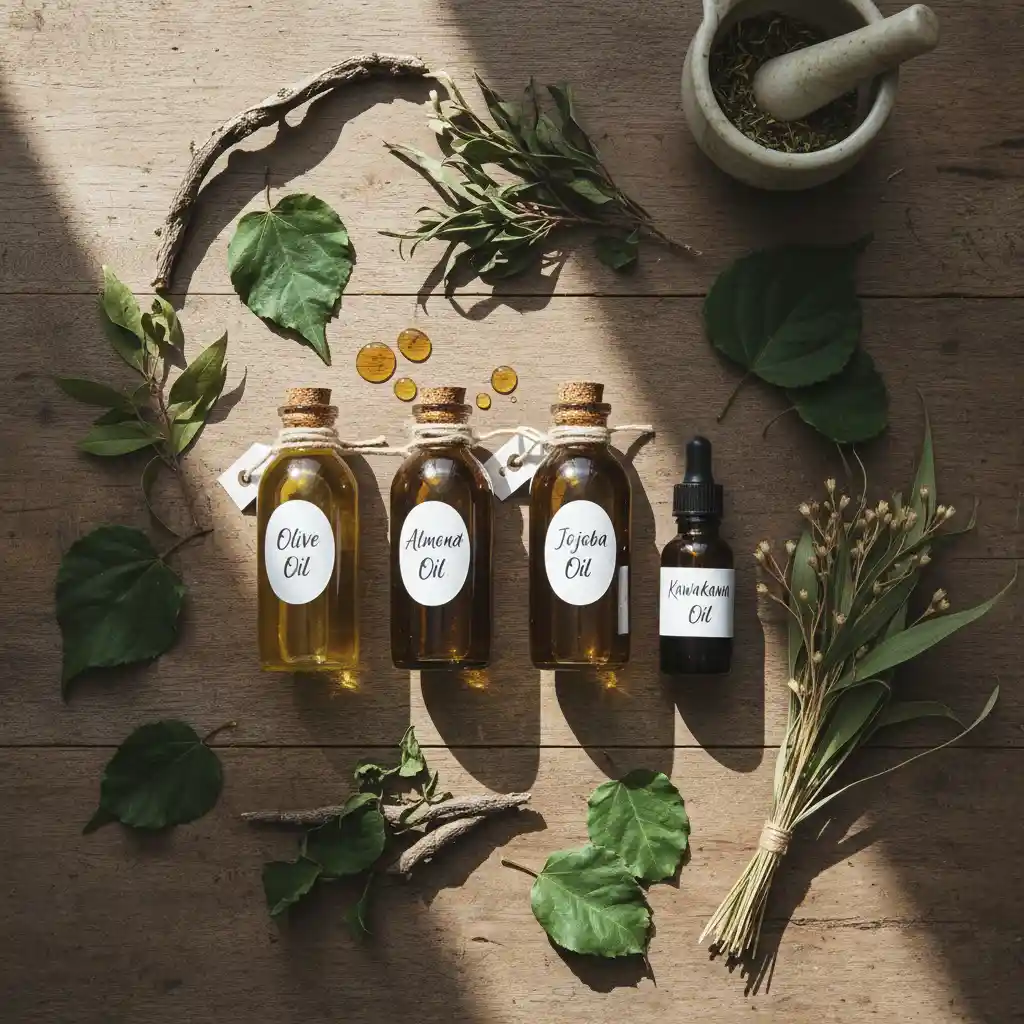
Herbal tea recipes NZ focus on utilizing New Zealand’s unique native flora, such as Kawakawa, Manuka, and Kumarahou, blended with traditional Western herbs to address common ailments. Returning to the basics at Home, practitioners combine specific plant parts—leaves, roots, or flowers—steeping them to extract therapeutic compounds for immunity, digestion, and relaxation.
Selecting the Right NZ Herbs for Tea
New Zealand offers a botanical landscape unlike any other in the world. For the aspiring herbalist or tea enthusiast, the native bush (ngahere) provides a pharmacy of potent plants that have been used in Rongoā Māori (traditional Māori medicine) for centuries. When developing herbal tea recipes NZ, it is essential to understand the specific properties of these plants and how they synergize with more commonly known Western herbs, a concept further detailed in Understanding Energetics in Different Herbal Systems: A Comparative Study.
The integration of native flora into daily tea rituals not only supports physical health but also fosters a deeper connection to the land (whenua), similar to the study of Rātā: Traditional Uses & Phytochemical Analysis. Below are three of the most significant native plants used in local tea blending.
Kawakawa (Macropiper excelsum)
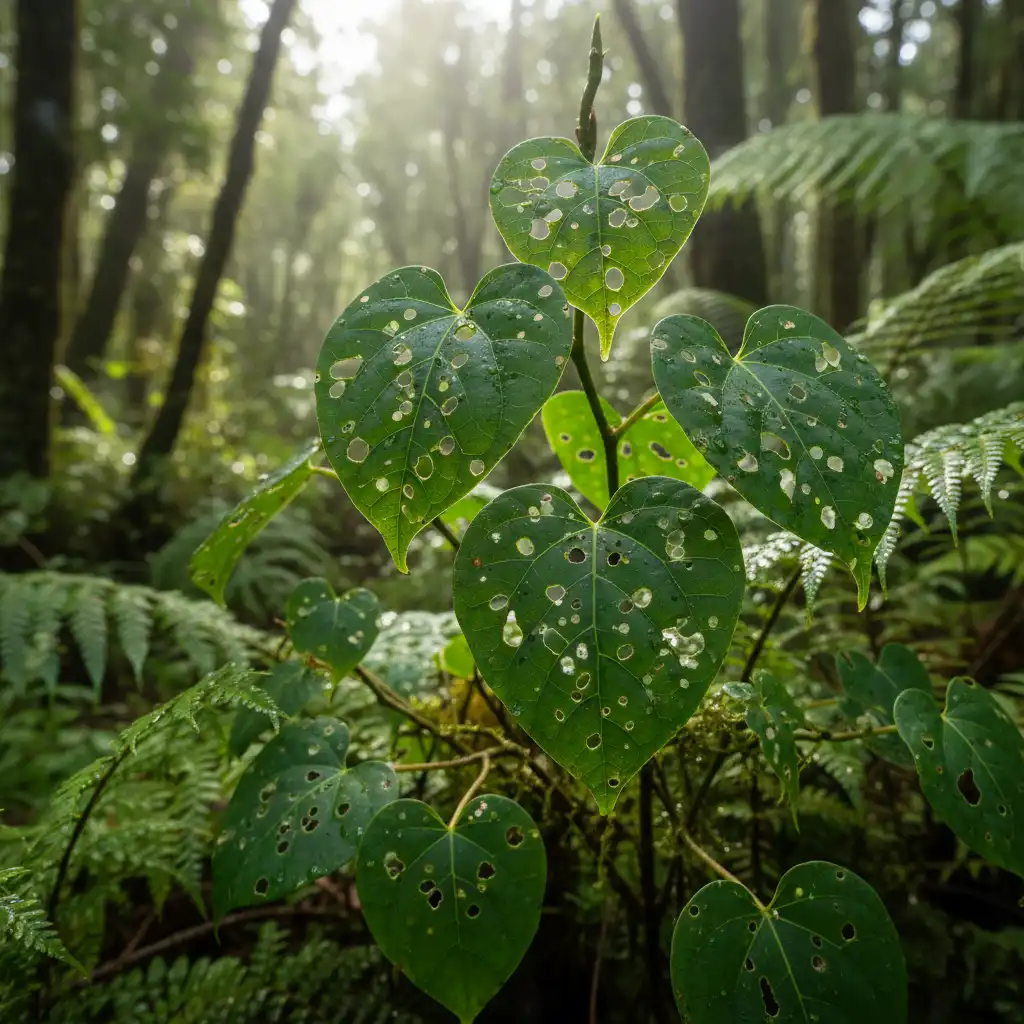
Often referred to as the “pharmacy of the forest,” Kawakawa is perhaps the most versatile herb in the New Zealand repertoire. It is distinguishable by its heart-shaped leaves and is a close relative of the Polynesian Kava and black pepper. In tea blends, Kawakawa acts as a circulatory stimulant, a digestive aid, and a powerful anti-inflammatory agent.
When selecting Kawakawa for your tea, look for leaves that have holes eaten into them by the looper moth caterpillar. Traditional knowledge suggests that the caterpillar instinctively selects the leaves with the highest concentration of active medicinal compounds. The flavor profile is peppery, aromatic, and slightly numbing, making it an excellent base for warming teas.
Manuka (Leptospermum scoparium)
While Manuka honey is globally famous, the leaves and bark of the Manuka tree are equally valuable in herbal infusions. Captain Cook famously used the leaves to brew a tea to prevent scurvy among his crew, earning it the name “Tea Tree.” Manuka is renowned for its antibacterial, antifungal, and calming properties. It has a more astringent, bitter taste compared to Kawakawa, so it is often used in smaller quantities or blended with sweeter herbs to balance the palate.
Kumarahou (Pomaderris kumeraho)
Known as “Gumdigger’s Soap” because the flowers create a lather when rubbed with water, Kumarahou is a premier herb for respiratory health. It is incredibly bitter and is traditionally used to clear mucus from the lungs and support bronchial health. Because of its intense bitterness, it is rarely drunk for pleasure alone; it is almost always medicinal and requires sweetening agents like licorice root or Manuka honey to make it palatable.

Tikanga: The Protocol of Harvesting
In New Zealand, creating herbal teas is not just about the recipe; it is about the relationship with the plant. If you are harvesting native plants from the wild, it is vital to adhere to Tikanga (cultural protocols) to ensure sustainability and respect.
Before harvesting, it is customary to say a karakia (prayer) or offer thanks to Tāne Mahuta (the guardian of the forest). This acknowledges the life force (mauri) of the plant. Furthermore, one should never take more than is needed. A general rule is to harvest only a few leaves from each plant, usually from the north-facing side where the sun hits, and never strip a branch bare. This ensures the plant continues to thrive for future generations.
For those who cannot harvest from the wild, many reputable NZ suppliers provide sustainably sourced, organic native dried herbs. You can learn more about the conservation status of these plants via the Department of Conservation.
Essential Herbal Tea Recipes NZ for Common Ailments
Blending native herbs with easily accessible garden herbs creates synergistic effects that target specific body systems. Below are three definitive recipes designed for the New Zealand context.
1. The Winter Warrior (Immunity Support)
This blend is designed to ward off winter chills, boost circulation, and provide antibacterial support. It utilizes the warming nature of Kawakawa and the antimicrobial power of Manuka.
- Ingredients:
- 1 tsp Dried Kawakawa leaf (or 2 fresh leaves, torn)
- 1/2 tsp Dried Manuka leaf
- 1 tsp Fresh Ginger root, grated
- 1 slice of Lemon
- 1 tsp Manuka Honey (to add after brewing)
- Instructions: Combine the Kawakawa, Manuka, and Ginger in a teapot. Pour over 500ml of boiling water. Cover and steep for 10–15 minutes. Strain into a cup, add the lemon slice, and stir in the honey once the tea has cooled slightly (to preserve the honey’s enzymes).
2. The Kiwi Dream (Sleep & Relaxation)
While native Rongoā is often focused on physical ailments, blending natives with naturalized Western sedatives creates a powerful sleep aid. We use Lemon Balm (Melissa officinalis), which grows wild in many NZ gardens, paired with a hint of Lavender.
- Ingredients:
- 1 tbsp Fresh Lemon Balm leaves (or 1 tsp dried)
- 1/2 tsp Dried Chamomile flowers
- 1 small pinch of Dried Lavender
- 1 small piece of Kawakawa (for blood flow and grounding)
- Instructions: Place herbs in an infuser. Pour 300ml of hot water (not rolling boil, around 85°C) over the herbs. Cover the cup with a saucer to keep the volatile sedative oils from evaporating. Steep for 8 minutes. Drink 30 minutes before bed.
3. The Tummy Soother (Digestion Aid)
Kawakawa is supreme for digestion, helping to reduce bloating and stomach cramps. Pairing it with Fennel (which grows wild along NZ roadsides) and Peppermint creates a refreshing, effective after-dinner tonic.
- Ingredients:
- 1 tsp Dried Kawakawa
- 1 tsp Fennel seeds (lightly crushed)
- 1 tsp Dried Peppermint leaves
- Instructions: Crush the fennel seeds slightly with a mortar and pestle to release their oils. Mix with Kawakawa and Peppermint. Pour 400ml boiling water over the mix. Steep for 10 minutes. Sip slowly after a heavy meal.
Proper Brewing Techniques for Maximum Benefit
To get the most out of your herbal tea recipes NZ, simply dipping a tea bag is insufficient. Medicinal herbal teas require specific techniques to extract the full range of therapeutic compounds.
Infusion vs. Decoction
Understanding the difference between an infusion and a decoction is critical for the herbalist.
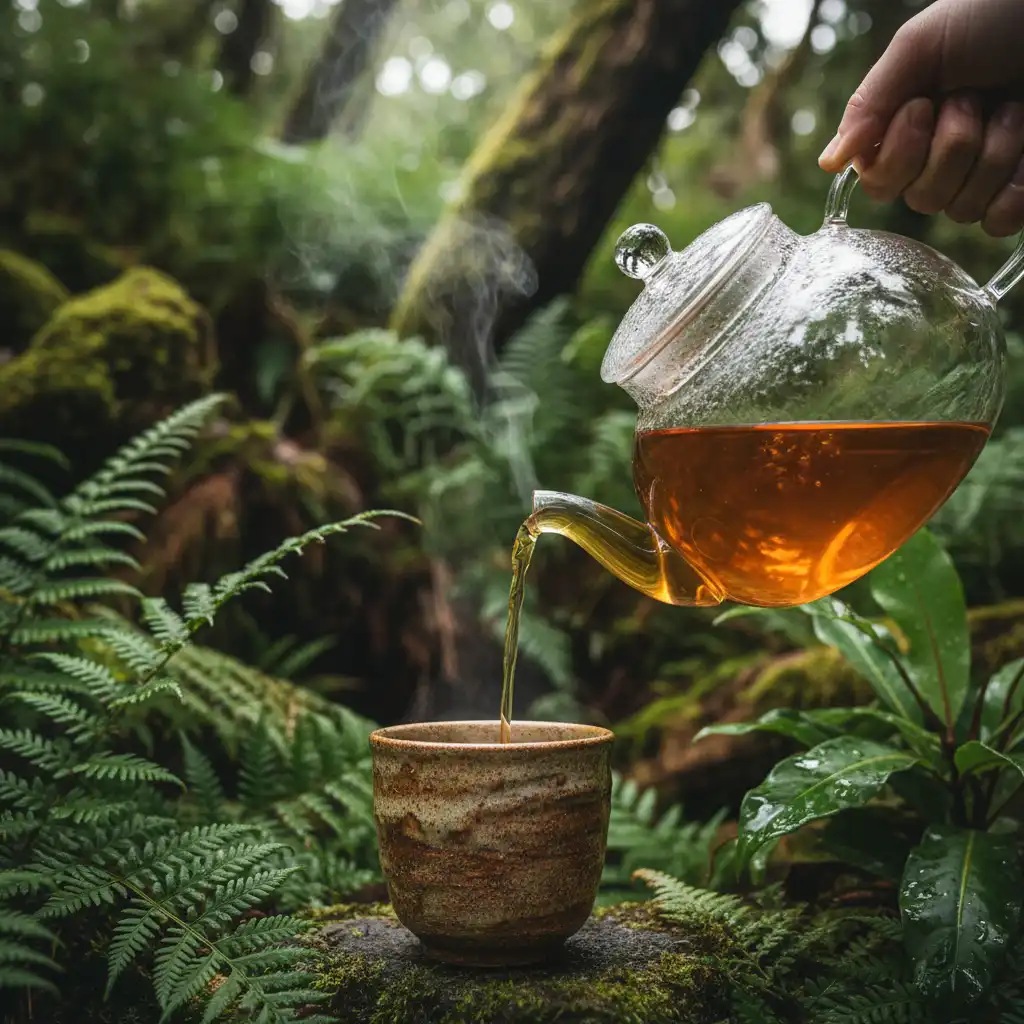
- Infusion: This is used for delicate plant parts like leaves, flowers, and aromatic seeds (e.g., Kawakawa leaves, Manuka leaves, Chamomile). Boiling water is poured over the plant material, which is then covered and allowed to steep. This preserves delicate essential oils.
- Decoction: This method is necessary for hard plant parts like roots, bark, and berries (e.g., Ginger root, Kumarahou leaves which are tough, or woody stems). The plant material is placed in cold water, brought to a boil, and simmered gently for 20–40 minutes. This stronger heat is needed to break down the cellular structure and release the medicine.
The Importance of Covering
When brewing herbal tea, always cover your vessel. Many medicinal compounds in NZ herbs, particularly the terpenes in Manuka and the myristicin in Kawakawa, are volatile oils. If you brew in an open cup, these oils evaporate with the steam, filling your kitchen with a lovely smell but leaving your tea less potent. Covering the cup traps these oils, forcing them back into the liquid.
Understanding Contraindications and Safe Consumption
While herbal teas are natural, they are chemically active and must be treated with respect. “Natural” does not automatically mean “safe for everyone.”
Identification and Lookalikes
If foraging, absolute certainty in identification is required. For example, Tutu (Coriaria arborea) is a highly toxic NZ native plant that can be fatal if ingested. To the untrained eye, young shoots might look generic. Never harvest a plant unless you are 100% sure of its identity. Consult field guides or local experts.
Dosage and Interactions
Kawakawa: While generally safe, excessive consumption of Kawakawa can have a mild laxative effect or cause numbness in the mouth. It should be used in moderation. Due to its blood-thinning properties, those on anticoagulant medication should consult a GP before consuming large amounts.
Pregnancy: Caution is advised with herbal preparations during pregnancy. While some herbs like Peppermint are generally considered safe, others, including high doses of certain native plants, have not been studied extensively in clinical settings regarding fetal safety. Always err on the side of caution.
For detailed chemical constituents of plants like Kawakawa (Macropiper excelsum), resources like Wikipedia provide botanical breakdowns that can be useful for understanding potential interactions.
People Also Ask
What is the best NZ native herb for tea?
Kawakawa is widely considered the best and most versatile NZ native herb for tea. It has a pleasant, peppery taste and is used to support digestion, circulation, and general immunity. It is often consumed as a daily tonic.
Can you drink Manuka tea every day?
Yes, Manuka tea can generally be drunk daily in moderation. However, because it can be quite astringent and drying, it is often better enjoyed as part of a blend or used specifically when you need antibacterial support or immune boosting.
How do you make fresh Kawakawa tea?
To make fresh Kawakawa tea, pick 2-3 medium-sized leaves (preferably with holes from looper moths). Tear the leaves to release the oils, place them in a cup, pour over boiling water, cover, and steep for 10 to 15 minutes before drinking.
Is Kumarahou tea safe to drink?
Kumarahou tea is safe for most people when taken for short periods to address respiratory issues. However, it is extremely bitter and contains saponins. Excessive consumption may cause stomach irritation or nausea. It is best used medicinally rather than as a recreational beverage.
What herbs grow wild in New Zealand for tea?
Aside from natives like Kawakawa and Manuka, many introduced Western herbs grow wild in NZ, including Fennel, Dandelion, Plantain, and Lemon Balm. Always ensure you are foraging in spray-free areas away from roadsides.
Does herbal tea help with sleep?
Yes, herbal teas containing ingredients like Valerian, Chamomile, Passionflower, and Lavender are proven to help induce relaxation and sleep. In NZ, blending these with a small amount of Kawakawa can help settle the body for rest.