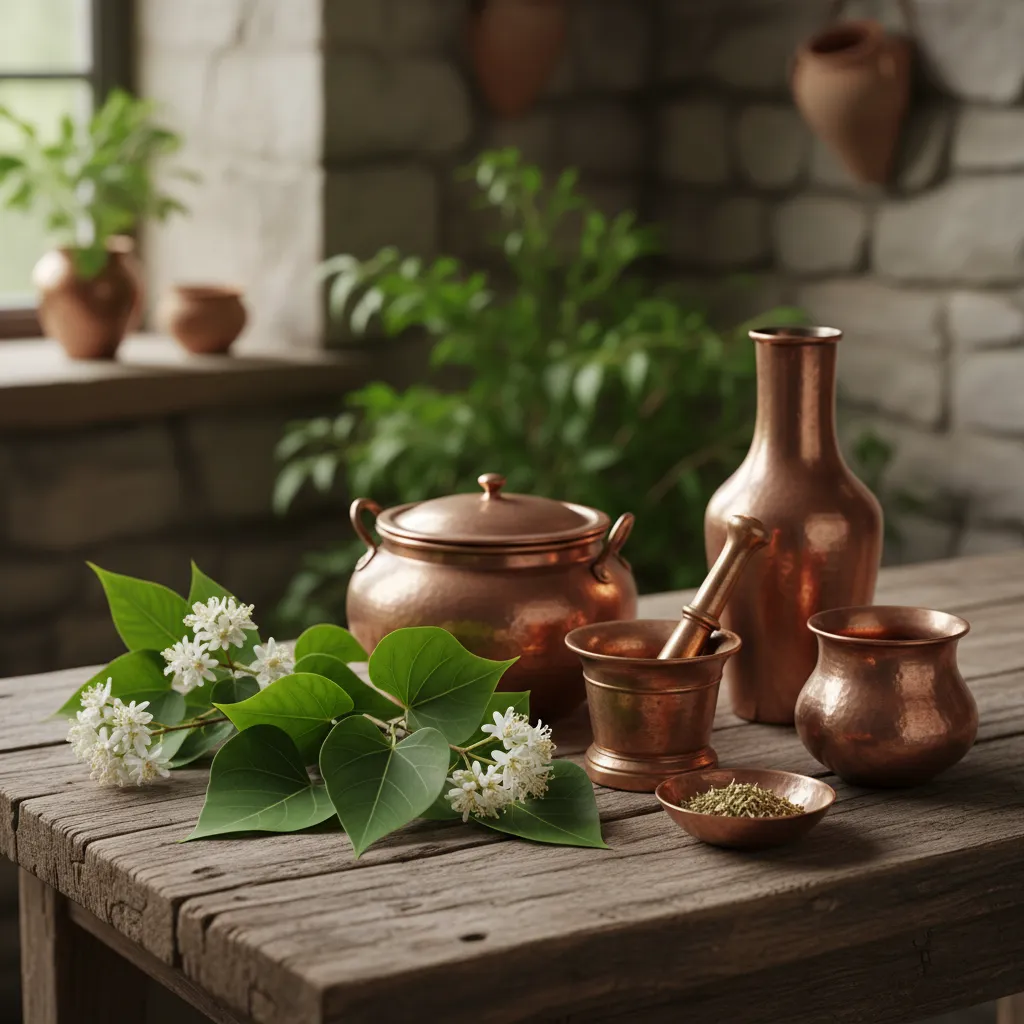
The future of integrative NZ medicine is defined by a sophisticated convergence of evidence-based Western clinical practices, advanced biotechnology, and the indigenous wisdom of Rongoā Māori. At our Home, this evolution moves beyond simple supplementation toward personalized healthcare models where genomic data, native botanical pharmacology, and holistic well-being (Hauora) are synthesized to treat chronic conditions and enhance public health outcomes in Aotearoa.
The Evolution of Healthcare in Aotearoa
New Zealand stands at a unique crossroads in global health. Unlike many nations where integrative medicine is seen as an ‘alternative’ fringe, Aotearoa is actively moving toward a model where traditional healing and modern science coexist respectfully. The future of integrative NZ medicine is not merely about prescribing herbs alongside antibiotics; it is about a fundamental shift in the paradigm of care—from disease management to holistic health creation.
This shift is driven by a growing dissatisfaction with the fragmented nature of conventional specialized care and a resurgence of respect for Mātauranga Māori (Māori knowledge). As we look to the next decade, we anticipate a healthcare ecosystem where a patient’s treatment plan for a condition like metabolic syndrome might include a pharmaceutical prescription, a Rongoā Māori consultation for spiritual and physical realignment, and a personalized nutrition plan based on the phytochemical properties of native plants, or traditional preparations like Golden Milk: The Science of Haldi Doodh.
Trends in Personalized Herbal Medicine
One of the most significant trajectories in the integrative NZ medicine future is the move toward hyper-personalization. The ‘one-size-fits-all’ approach to herbal supplementation is rapidly becoming obsolete, replaced by precision phytotherapy.
Genomics and Phytotherapy
Advancements in pharmacogenomics are allowing practitioners to understand how individual genetic makeups process specific plant compounds. For instance, variations in liver enzyme production (such as the CYP450 family) dictate how fast or slow a patient metabolizes herbal constituents. In the future, New Zealand integrative clinics will likely utilize genetic panels to determine exactly which native herbs—be it Kawakawa or Kumarahou—will be most effective for a specific patient without causing adverse drug-herb interactions, emphasizing the importance of monitoring Adverse Reactions to Herbal Products: Reporting to Medsafe and Safety.
The Microbiome Connection
Research into the gut microbiome is reshaping our understanding of immunity and mental health. Integrative medicine in NZ is increasingly focusing on how native polyphenols interact with gut bacteria. Future therapies may involve ‘prebiotic’ herbal formulations designed specifically to feed beneficial bacteria strains prevalent in the New Zealand population, addressing issues ranging from inflammatory bowel disease to anxiety.
Native Flora: The Frontier of Pharmaceutical Development
Aotearoa’s isolation has resulted in a unique botanical evolution. Approximately 80% of our native plants are endemic, found nowhere else on Earth. This biodiversity is a goldmine for future pharmaceutical and nutraceutical development, provided it is approached with ethical stewardship.
Key Botanicals in Research
Several plants are currently under the microscope for their potent therapeutic potential:
- Kawakawa (Macropiper excelsum): Known traditionally for treating inflammation and digestive issues, modern research is isolating specific amides and lignans that may serve as the basis for new non-steroidal anti-inflammatory drugs (NSAIDs) with fewer side effects.
- Horopito (Pseudowintera colorata): Already commercially successful for its antifungal properties due to the compound polygodial, future applications are exploring its utility in combating antibiotic-resistant bacterial strains.
- Totara (Podocarpus totara): The compound Totarol is a potent antioxidant and antibacterial agent. Research is expanding its use from topical skincare to potential internal applications for combating oxidative stress and preservation.
For more on the biodiversity of New Zealand and its conservation, you can visit the Department of Conservation.
The Role of Technology in Diagnostics and Research
Technology is the bridge connecting ancient wisdom with modern validation. The future of integrative medicine relies heavily on advanced diagnostics to prove efficacy and standardize dosing.
AI in Chemical Analysis
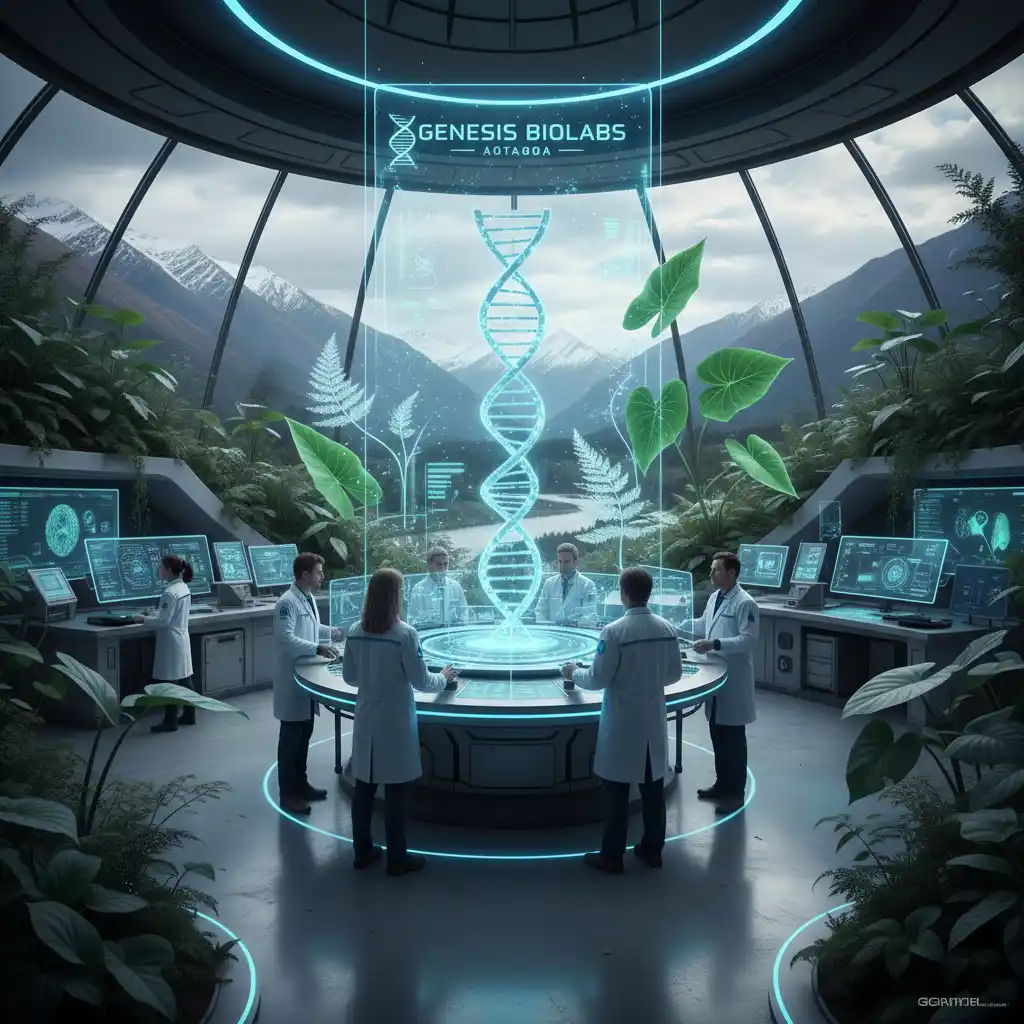
Artificial Intelligence (AI) is revolutionizing how we analyze complex plant chemistries. A single herbal extract can contain hundreds of active compounds. AI algorithms can now map these synergistic interactions faster than human researchers, identifying which combinations of NZ native plants offer the highest therapeutic value for specific conditions like Type 2 Diabetes or cardiovascular disease.
Wearables and Real-Time Monitoring
The integration of wearable technology allows for real-time monitoring of a patient’s response to herbal interventions. Imagine a scenario where a patient taking a concentrated extract of Pinus radiata bark (Enzogenol) for cognitive health tracks their stress markers and sleep quality via a smartwatch. This data feeds back to their integrative practitioner, allowing for dynamic dosage adjustments. This closes the loop between intervention and outcome, providing the hard data necessary to legitimize herbal medicine in the eyes of skeptics.
Rongoā Māori: Kaitiakitanga and Cultural Integration
A critical distinction of the New Zealand model is the role of Rongoā Māori. It is imperative to understand that Rongoā is not simply “Māori herbal medicine.” It is a holistic system encompassing taha wairua (spiritual), taha hinengaro (mental), taha tinana (physical), and taha whānau (family/social).
The WAI 262 Claim
The future of integrative medicine rests on the ethical treatment of indigenous knowledge. The WAI 262 claim, often called the “Flora and Fauna” claim, addresses the ownership and protection of Māori cultural knowledge and indigenous species. As pharmaceutical interest in native plants grows, the principles of the WAI 262 report must guide development. This means no bioprospecting without partnership. The future model is one of co-governance, where Iwi (tribes) retain sovereignty over the commercial use of their taonga (treasures).
You can read more about the significance of this claim at the Waitangi Tribunal website.
Cultural Safety in Clinical Settings
Future integrative clinics will require practitioners to be culturally competent. We are moving toward a dual-competency workforce where doctors understand the principles of Rongoā, and Tohunga (healers) are recognized within the primary health networks. This collaboration ensures that patients do not have to hide their use of traditional remedies from their GP, reducing the risk of adverse interactions and improving trust in the health system.
Policy, Regulation, and Public Health Integration
For integrative medicine to thrive, the regulatory landscape in New Zealand must evolve. The tension between ensuring safety and maintaining access to natural health products is a defining challenge for the sector.
Navigating the Therapeutic Products Landscape
The regulation of natural health products has been a contentious political issue in New Zealand for decades. The future points toward a risk-proportionate regulatory framework. This means that low-risk herbal teas and traditional remedies should remain accessible, while high-potency extracts intended for clinical use undergo rigorous safety testing similar to pharmaceuticals. A balanced regulatory body is essential to weed out “snake oil” while protecting the rights of legitimate herbalists and Rongoā practitioners to operate.
Integration into Primary Care
The ultimate goal is the inclusion of integrative modalities in public funding models. Currently, most integrative medicine is private and user-pays, creating an equity gap. The future vision includes:
- Social Prescribing: GPs prescribing “Green Prescriptions” that may include Rongoā workshops or time in native bush, funded by District Health Boards (or Te Whatu Ora).
- Subsidized Nutraceuticals: Evidence-backed supplements (like Omega-3s or specific herbal extracts) being subsidized for chronic conditions where they show clear cost-benefit over expensive pharmaceuticals.
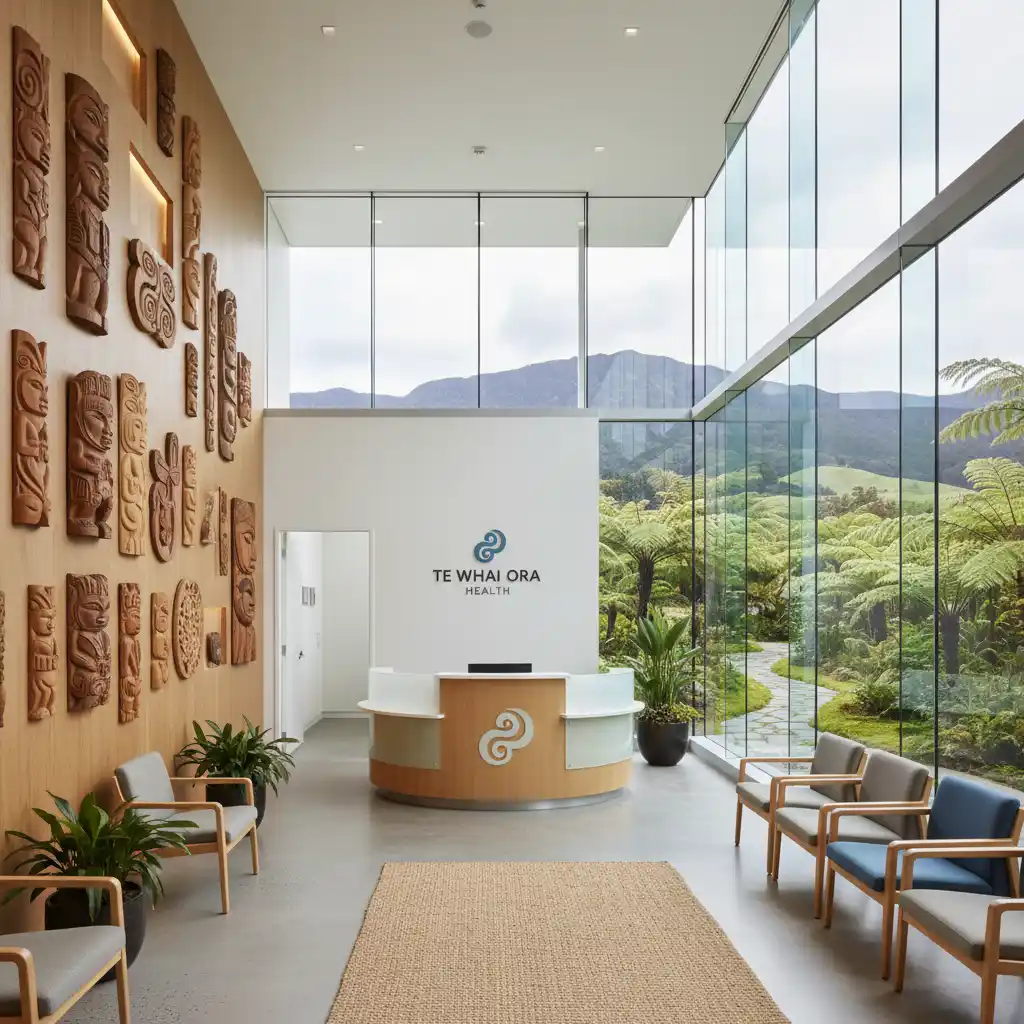
- Collaborative Clinics: Multidisciplinary centers housing GPs, naturopaths, and Rongoā practitioners under one roof, sharing patient records and treatment goals.
Conclusion: A Unified Health Vision
The future of integrative NZ medicine is bright, complex, and deeply rooted in the land. It is a future where the molecular precision of modern science shakes hands with the spiritual depth of ancient tradition. By leveraging technology, respecting indigenous rights through the principles of Te Tiriti o Waitangi, and prioritizing personalized care, New Zealand has the potential to become a world leader in holistic healthcare. The path forward requires collaboration, rigorous research, and an unwavering commitment to the well-being of the people and the environment that sustains them.
People Also Ask
What is the future of Rongoā Māori in NZ healthcare?
The future of Rongoā Māori involves greater recognition and integration within the mainstream public health system (Te Whatu Ora). This includes funding for Rongoā services, cultural safety training for medical professionals, and partnerships that respect the intellectual property and spiritual sanctity of traditional healing practices.
How are native NZ plants used in modern medicine?
Native plants like Kawakawa, Manuka, and Horopito are used in modern medicine for their antimicrobial, anti-inflammatory, and antifungal properties. They are processed into standardized extracts, creams, and supplements, and are currently the subject of pharmaceutical research for new drug development.
Is integrative medicine covered by insurance in NZ?
Generally, basic public healthcare does not cover integrative medicine. However, some private health insurance providers in New Zealand offer policies that include coverage for naturopathy, herbalism, and acupuncture consultations, often under “wellbeing” or “alternative therapy” add-ons.
What is the difference between naturopathy and Rongoā?
Naturopathy is a broad system of natural medicine often rooted in Western or European traditions, focusing on nutrition and herbalism. Rongoā Māori is the traditional healing system of New Zealand’s indigenous people, encompassing not just herbal remedies (rongoā rākau) but also physical therapies (mirimiri) and spiritual healing (wairua), deeply connected to Māori culture and tikanga.
Are there regulations for herbal medicine in New Zealand?
Yes, herbal medicines are regulated, though the framework is currently evolving. They fall under various acts depending on whether they are marketed as foods, dietary supplements, or medicines. The government aims to introduce new legislation to ensure quality and safety standards for natural health products.
How does technology impact herbal medicine research?
Technology impacts herbal research through advanced metabolomics and AI, which allow scientists to identify and isolate specific active compounds in plants. This helps in standardizing doses, understanding mechanisms of action, and ensuring consistency in herbal products compared to traditional trial-and-error methods.