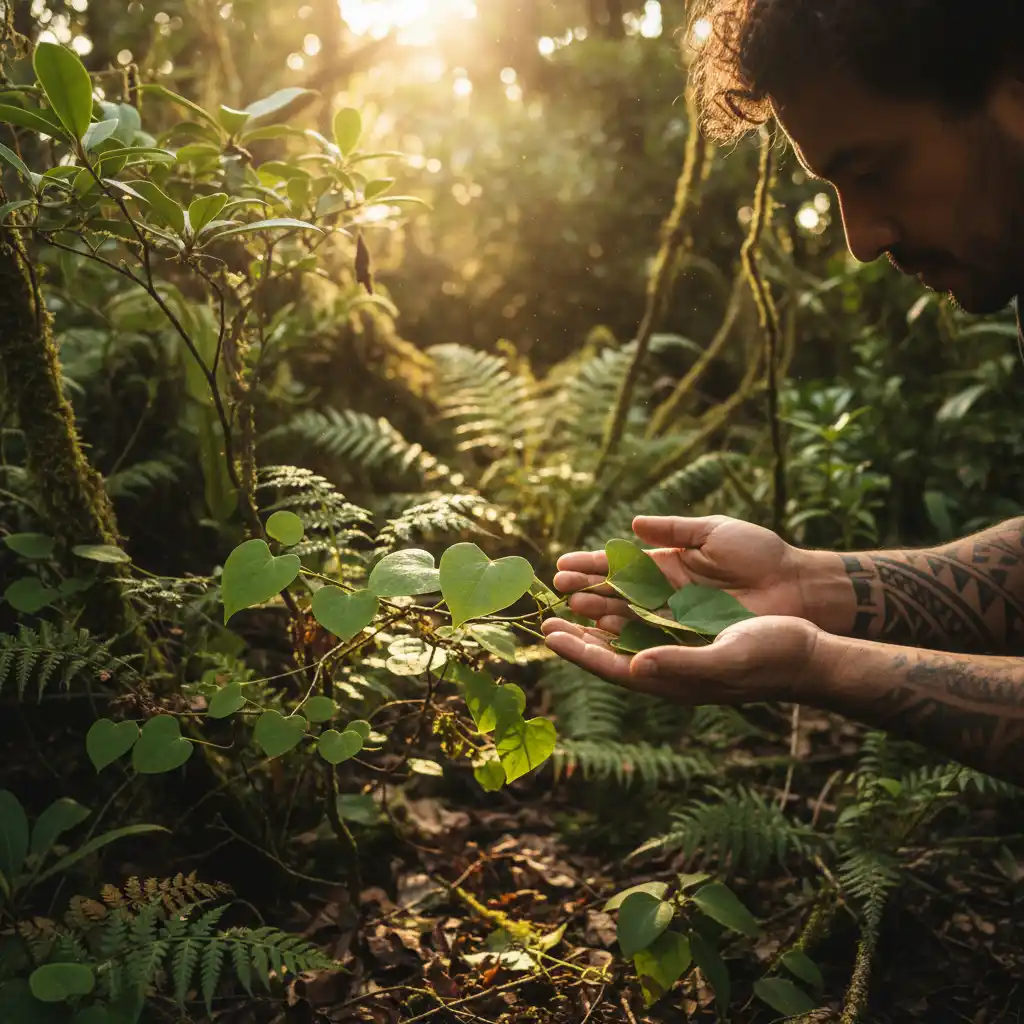
Rongoā home remedies utilize New Zealand’s native flora, such as Kawakawa, Manuka, and Koromiko, to treat everyday ailments through holistic healing. These traditional Māori medicinal practices offer natural solutions for respiratory conditions, digestive issues, and skin injuries by preparing leaves, bark, and roots into tonics (wai rākau), balms, and poultices.
Understanding Rongoā Māori: More Than Just Plants
When discussing Rongoā home remedies, it is vital to understand that Rongoā Māori is not merely a substitution of pharmaceutical drugs for herbal ones. It is a holistic system of healing that encompasses physical, spiritual, family, and emotional well-being, such as exploring Natural Remedies for Anxiety: A Holistic Protocol. This corresponds to the Te Whare Tapa Whā model of health, where taha tinana (physical health) is just one of four pillars.
However, for the purpose of treating everyday ailments at home, we focus primarily on Rongoā Rākau—the use of native plants. New Zealand’s isolation has produced a unique flora with potent medicinal properties. From the antiseptic qualities of Manuka to the anti-inflammatory power of Kawakawa, the bush (ngahere) serves as a natural pharmacy. Before harvesting or preparing any remedy, it is customary to observe Tikanga (cultural protocols), such as offering a karakia (prayer) and only taking what is needed, ensuring the sustainability of the plant.
For a deeper historical understanding of these practices, Te Ara – The Encyclopedia of New Zealand offers comprehensive resources on the traditional medicinal use of plants.
Respiratory Relief: Herbal Solutions for Coughs and Colds
As the seasons change, respiratory issues become a common household concern. Rongoā home remedies offer powerful expectorants and antimicrobials to help soothe chests and clear congestion.

Kumarahou: The Gumdigger’s Soap
Kumarahou (Pomaderris kumeraho) is perhaps the most renowned native plant for bronchial ailments. Historically used by gumdiggers who mixed the flowers with water to create a soapy lather, its primary medicinal value lies in its leaves. It is exceptionally bitter, but this bitterness is indicative of its potency.
Kumarahou is highly effective as a generic lung tonic. It works as an expectorant, helping to loosen phlegm and clear mucus from the lungs. To prepare a simple remedy:
- Take a small handful of leaves (fresh or dried).
- Simmer gently in water for 15–20 minutes.
- Strain the liquid.
- Drink a small cup warm. Due to the bitterness, many people dilute it or add Manuka honey.
Kawakawa: The Pharmacy of the Forest
Kawakawa (Piper excelsum) is easily identified by its heart-shaped leaves, often riddled with holes from the looper moth caterpillar. Interestingly, the leaves with the most holes are considered the most medicinal, as the plant produces more active compounds in response to the insect damage.
For colds, a strong Kawakawa tea acts as a diaphoretic, promoting sweating to help break a fever. It also has analgesic (pain-relieving) properties which can soothe a sore throat. Chewing a fresh leaf directly can numb the mouth, providing temporary relief for toothaches or throat pain.
Manuka Inhalation
Manuka (Leptospermum scoparium) is famous for its honey, but the leaves and bark are equally valuable. For severe congestion or sinusitis, a steam inhalation is effective. Place a handful of Manuka leaves and seed capsules into a bowl of boiling water. Place a towel over your head and the bowl, and breathe in the steam. The vapor carries antimicrobial oils deep into the sinus cavities and lungs.
Topical Applications: Treating Cuts, Bruises, and Skin Conditions
Everyday life often results in minor injuries. Instead of reaching for synthetic creams, many New Zealanders turn to Rongoā home remedies for wound care and skin soothing, often employing Poultices and Compresses from Native Plants for Skin and Muscle Ailments.
Harakeke (New Zealand Flax)
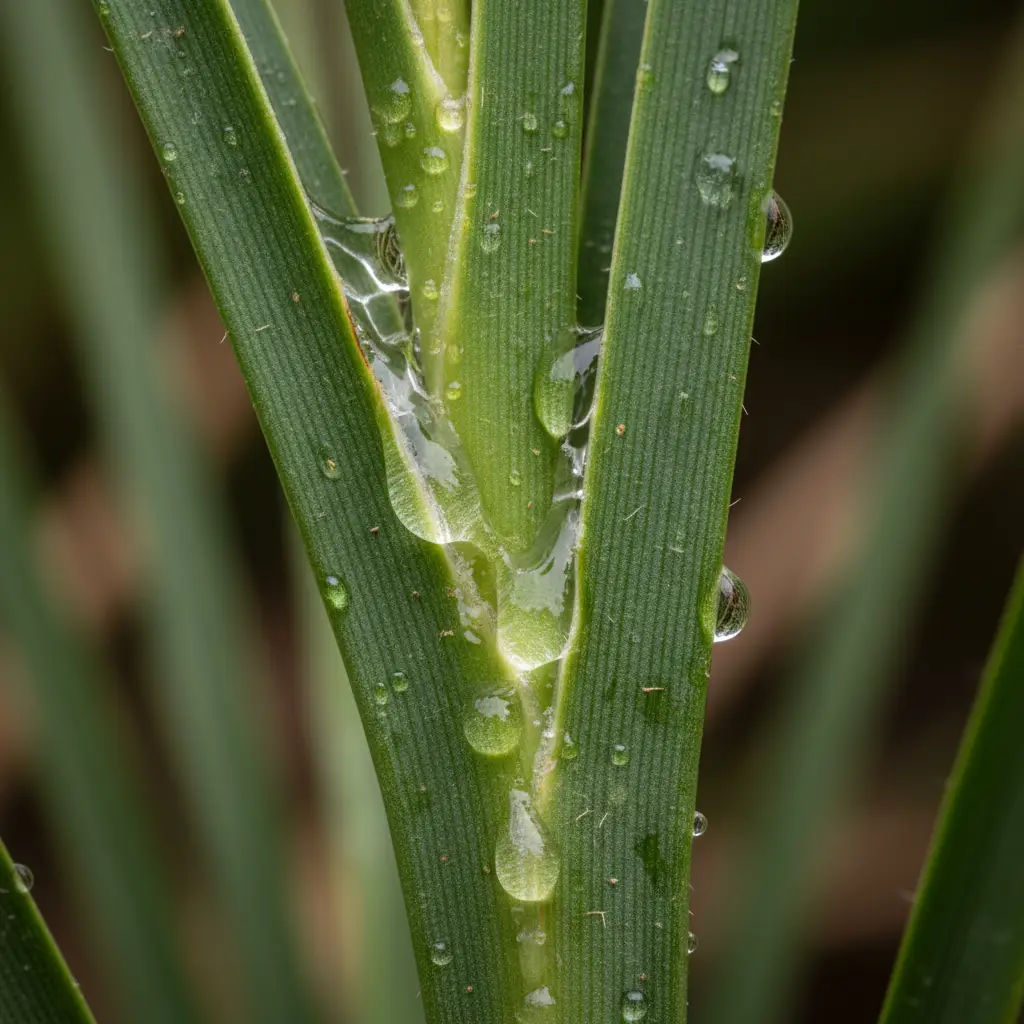
Harakeke is the backbone of Māori culture, used for weaving and construction, but it is also a potent healer. The clear gel found at the base of the Harakeke leaf is chemically similar to Aloe Vera but is often considered more effective for the local environment.
Application:
- Cuts and Grazes: The gel is an excellent antiseptic and styptic (stops bleeding). Apply fresh gel directly to a clean wound.
- Burns: Like Aloe, Harakeke gel cools and soothes minor burns and sunburns.
- Splinters: A poultice made from the root or the gum can help draw out splinters or boils.
Kawakawa Balm
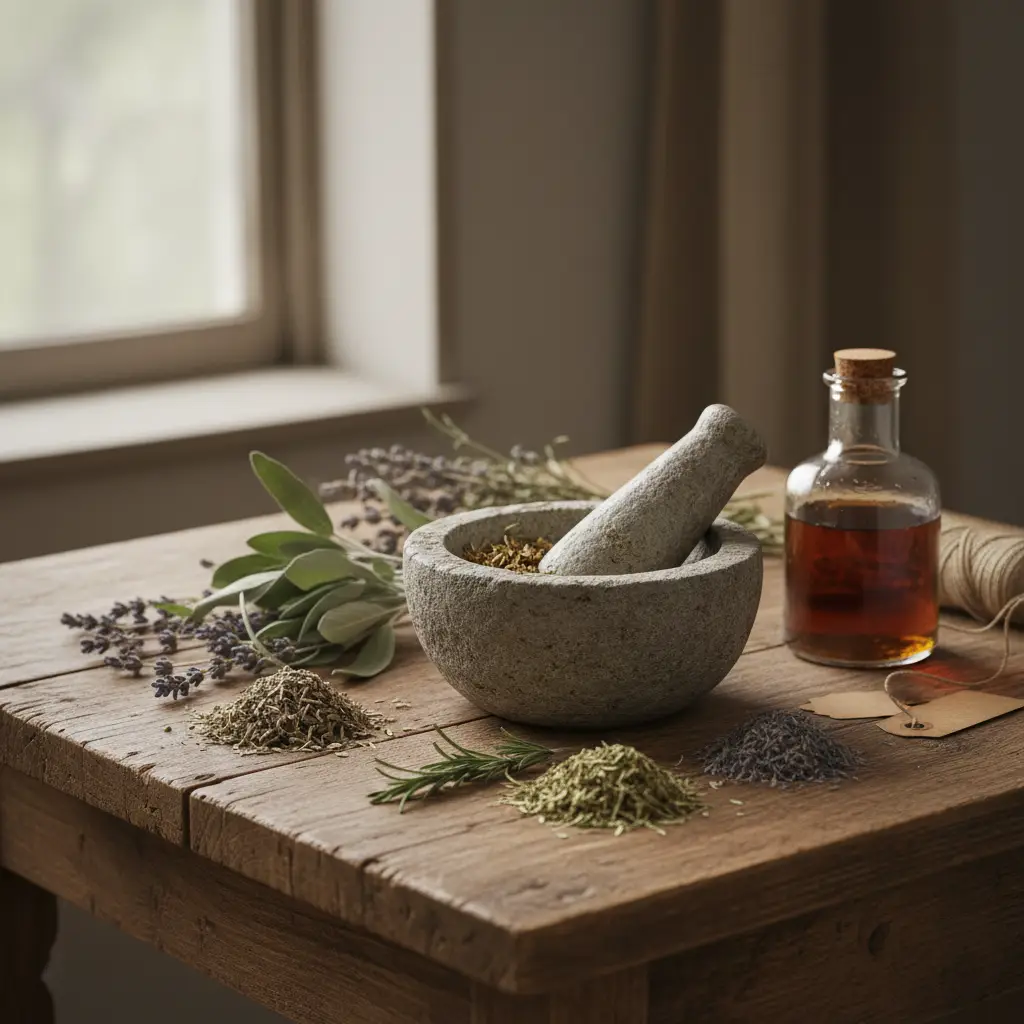
While fresh leaves are great, Kawakawa is most commonly used today infused into a balm. By simmering the leaves in a carrier oil (like olive or coconut oil) and setting it with beeswax, you create a shelf-stable ointment. This balm is exceptional for:
- Eczema and Psoriasis: It reduces inflammation and moisturizes dry, cracked skin.
- Insect Bites: It soothes the itch and reduces swelling.
- Bruises: Massaging the balm into bruised areas stimulates circulation and aids healing.
Digestive Support with Native Plants
Digestive health is the foundation of overall vitality. Rongoā Māori provides specific remedies for stomach upsets, diarrhea, and general internal cleansing.
Koromiko: The Soldier’s Friend
Koromiko (Hebe salicifolia) has a legendary status in New Zealand history. During World War II, dried Koromiko leaves were sent to New Zealand soldiers overseas to treat dysentery and diarrhea when conventional medicines failed.
The top few pairs of young leaves are the most potent. For a simple home remedy for diarrhea or an upset stomach, chew the young leaf tips directly (swallowing the juices) or brew them into a tea. The plant contains tannins which act as an astringent, tightening the mucous membranes of the gut and reducing fluid loss.
Karamu and Coprosma
Karamu (Coprosma robusta) is often used for kidney and bladder health. A decoction (boiled liquid) of the leaves can be used as a diuretic to flush out the urinary tract. It is often combined with other plants in complex tonics to support overall internal detoxification.
Tikanga and Safety: Protocols for Families and Children
While Rongoā home remedies are natural, they are still medicine. Safety, respect, and correct identification are paramount, starting with your practice at Home, especially when treating children or the elderly.
Identification and Harvesting
Never use a plant unless you are 100% certain of its identity. Some native plants look similar to poisonous species. For example, Tutu is highly toxic and can be fatal if ingested, yet it grows in similar environments to medicinal plants. Always consult a reliable field guide or an experienced practitioner before harvesting.
Furthermore, adhere to sustainability practices. Never strip a tree bare. Take leaves from different sides of the plant (North, South, East, West) to maintain balance, and never take the central shoot (the ritenga), which ensures the plant’s continued growth.
Dosage for Children
Children’s bodies are smaller and more sensitive. When administering Rongoā teas like Kumarahou or Kawakawa:
- Dilution: Always dilute the remedy. A common rule of thumb is 1/4 to 1/2 the adult dose, depending on age and weight.
- Taste: Native remedies can be bitter. Using Manuka honey as a sweetener not only makes the medicine palatable but adds its own antimicrobial benefits.
- Observation: Start with a small amount and observe for any allergic reactions.
For more information on the regulation and safety of natural health products in New Zealand, you can refer to the Ministry of Health guidelines.
When to See a Doctor
Rongoā is a powerful complementary therapy. However, for persistent high fevers, deep wounds requiring stitches, breathing difficulties, or chronic conditions, always seek professional medical advice. Rongoā practitioners (Tohunga) often work alongside Western medical doctors to provide the best outcome for the patient.
Frequently Asked Questions (PAA)
What is the best Rongoā for a chesty cough?
Kumarahou is widely considered the most effective Rongoā for chesty coughs. It acts as a natural expectorant, helping to loosen and expel phlegm from the lungs. Kawakawa tea is also beneficial for soothing the inflammation associated with coughing.
Can I drink Kawakawa tea every day?
While Kawakawa is a tonic, it is generally recommended to drink it in moderation. Because it stimulates the liver and kidneys, taking breaks (e.g., drinking it for a week, then taking a break) is often advised to avoid over-stimulating the body’s detoxification systems.
How do I make a poultice for a boil?
To make a poultice, you can use the root or gum of the Harakeke (flax) or mashed Kawakawa leaves. Heat the plant material slightly to release the oils, apply it directly to the boil, and bandage it in place. Change the poultice twice daily until the infection is drawn out.
Is Rongoā Māori safe to use during pregnancy?
Some Rongoā plants are potent and stimulate blood flow or uterine contractions. For example, excessive consumption of Kawakawa may not be recommended. Always consult a Rongoā expert or your midwife before taking herbal remedies during pregnancy.
What is Koromiko used for in home remedies?
Koromiko is primarily used to treat digestive issues. The young leaf tips are chewed or brewed into a tea to stop diarrhea, dysentery, and stomach aches. It is known for its fast-acting astringent properties.
Where can I legally harvest Rongoā plants?
You should not harvest from national parks or reserves without a permit. The best place to harvest is on your own private land or land where you have explicit permission from the owner. Always follow Tikanga (protocol) by saying a karakia and harvesting sustainably.