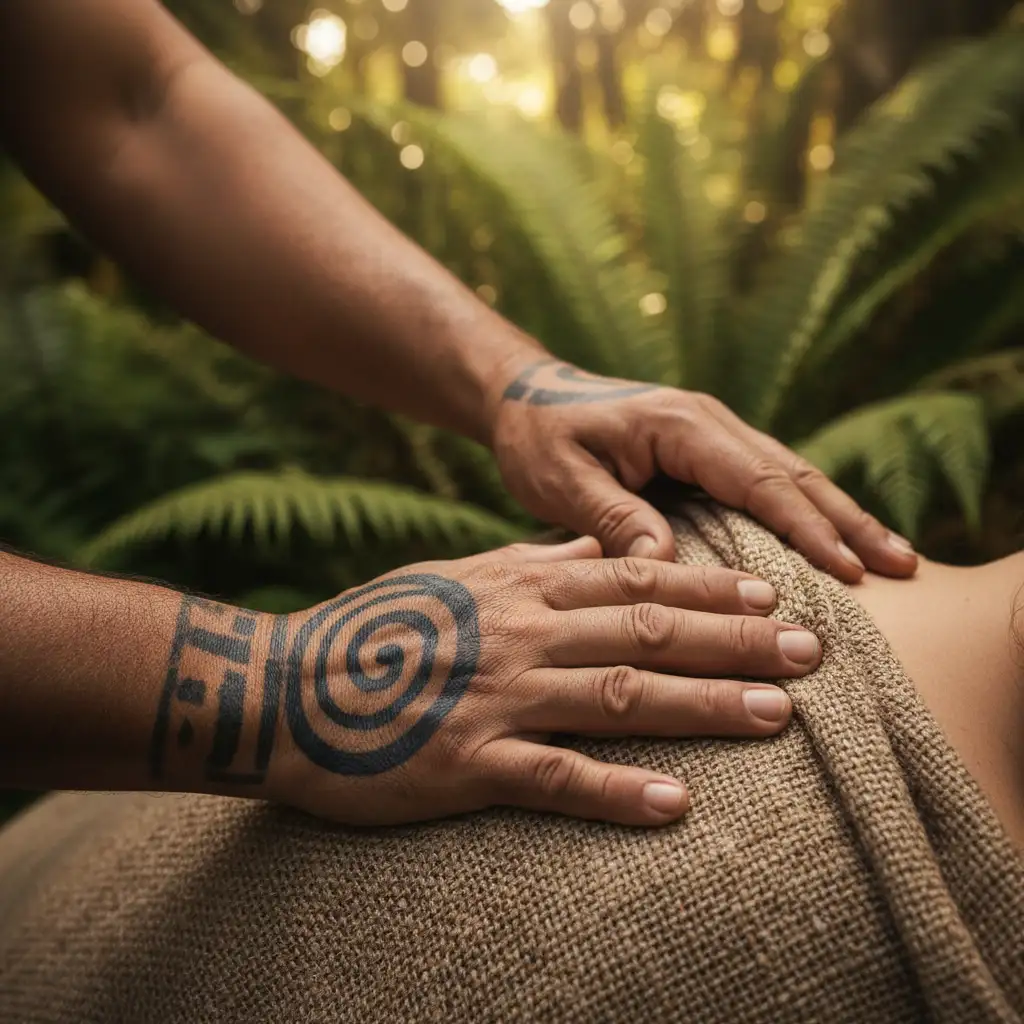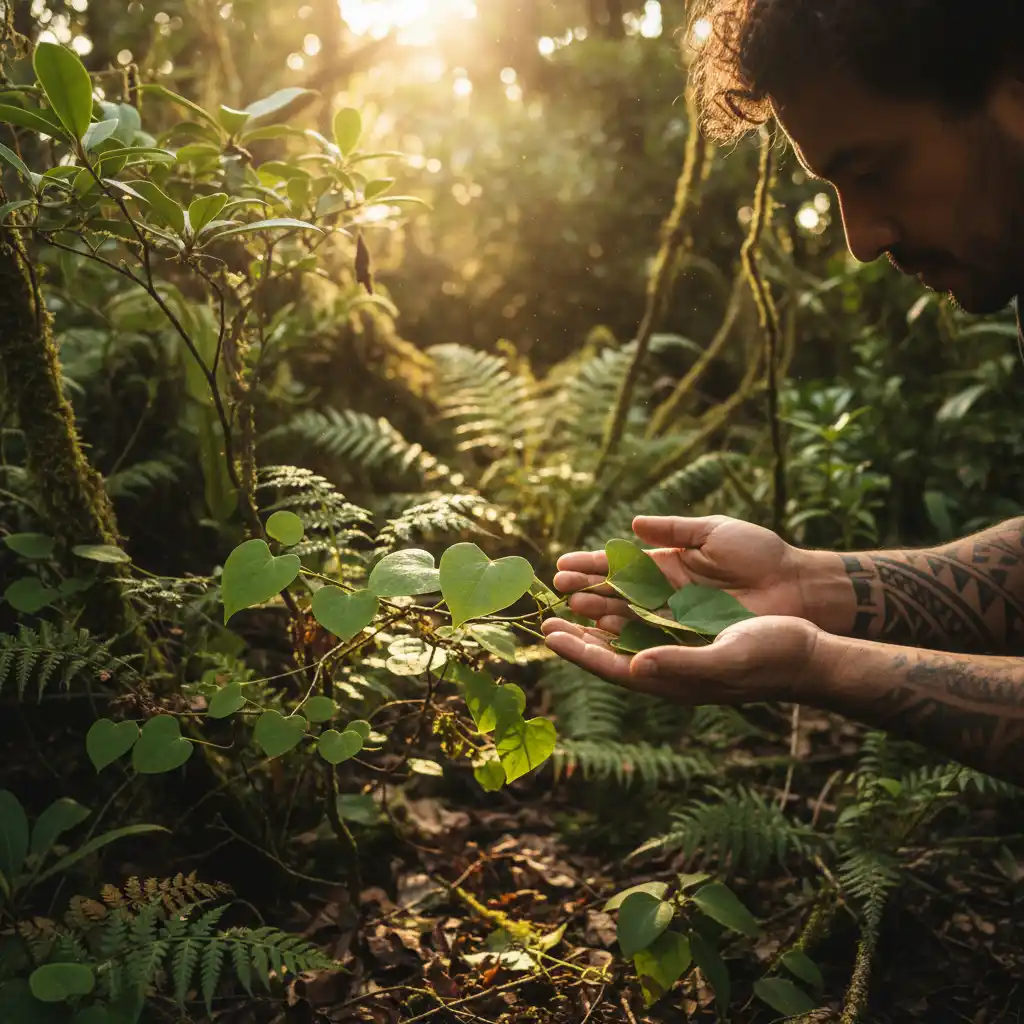
Rongoā mental health support is a holistic practice rooted in Māori healing traditions that addresses emotional and spiritual wellbeing by balancing the four dimensions of health, as detailed on our Home page: taha wairua (spiritual), taha hinengaro (mental), taha tinana (physical), and taha whānau (family). It utilizes rongoā rākau (plant medicine), karakia (prayer), and mirimiri (bodywork) to heal trauma, release stored emotions, and restore equilibrium to the individual’s life force (mauri).
The Foundations of Māori Healing in Mental Health
In the landscape of New Zealand healthcare, Rongoā Māori offers a distinct and profound approach to mental wellbeing. Unlike Western models that often compartmentalize symptoms, Rongoā views the individual as an interconnected ecosystem. Mental health cannot be separated from spiritual health, physical vitality, or family dynamics. This worldview is famously encapsulated in the Te Whare Tapa Whā model developed by Sir Mason Durie, which compares health to the four walls of a meeting house (wharenui).
When addressing mental health issues such as depression, anxiety, or burnout, a Rongoā practitioner (Tohunga) looks for imbalances across these dimensions. Often, what manifests as “mental illness” (mate hinengaro) is rooted in a spiritual disconnection or a disruption in the mauri (life force). The goal of Rongoā is not merely to suppress symptoms but to restore the flow of energy and reconnect the individual to their whakapapa (genealogy) and the natural world.
Central to this is Taha Wairua (spiritual health). In Te Ao Māori (the Māori world), the spiritual dimension is the most essential requirement for health. Without spiritual awareness, an individual is considered lacking in identity and purpose. Consequently, Rongoā therapies for mental health prioritize re-establishing this spiritual grounding through tikanga (protocols), karakia (incantation), and connection to Papatūānuku (Earth Mother).
Addressing Trauma and Emotional Imbalances
Trauma, whether historical, intergenerational, or acute, leaves a deep imprint on the hinengaro (mind) and the tinana (body). In traditional Māori healing, trauma is often viewed as a blockage of energy. When emotions are not processed or expressed, they become trapped within the cellular memory of the body, leading to physical ailments and mental distress.
Mirimiri and Romiromi: Releasing Stored Pain
Two primary modalities used to address deep-seated emotional trauma are Mirimiri and Romiromi. While often translated simply as “massage,” these practices are far more complex. Mirimiri involves soft tissue work to agitate and release toxins and emotional tension held in the muscles. Romiromi is a deeper, more vigorous form of bodywork that stimulates pressure points (hemopuku) to release blocked energy.
For someone suffering from PTSD or chronic stress, these therapies provide a physical release mechanism for emotional pain that talking therapies alone might not reach. The practitioner works to shift the heavy energy (taumaha) out of the body, allowing the mauri to flow freely again. It is not uncommon for receivers to experience an emotional release—tears, laughter, or shaking—during a session as the trauma leaves the body.
Karakia: Clearing the Mind
Karakia (prayer or incantation) is another vital tool for addressing emotional imbalances. It is used to clear spiritual pathways, offer protection, and set intentions. For those struggling with intrusive thoughts or anxiety, karakia serves as a grounding anchor, shifting the focus from internal chaos to a connection with the divine and the ancestors (tūpuna).
Rongoā Rākau: Herbal Remedies for Stress and Anxiety
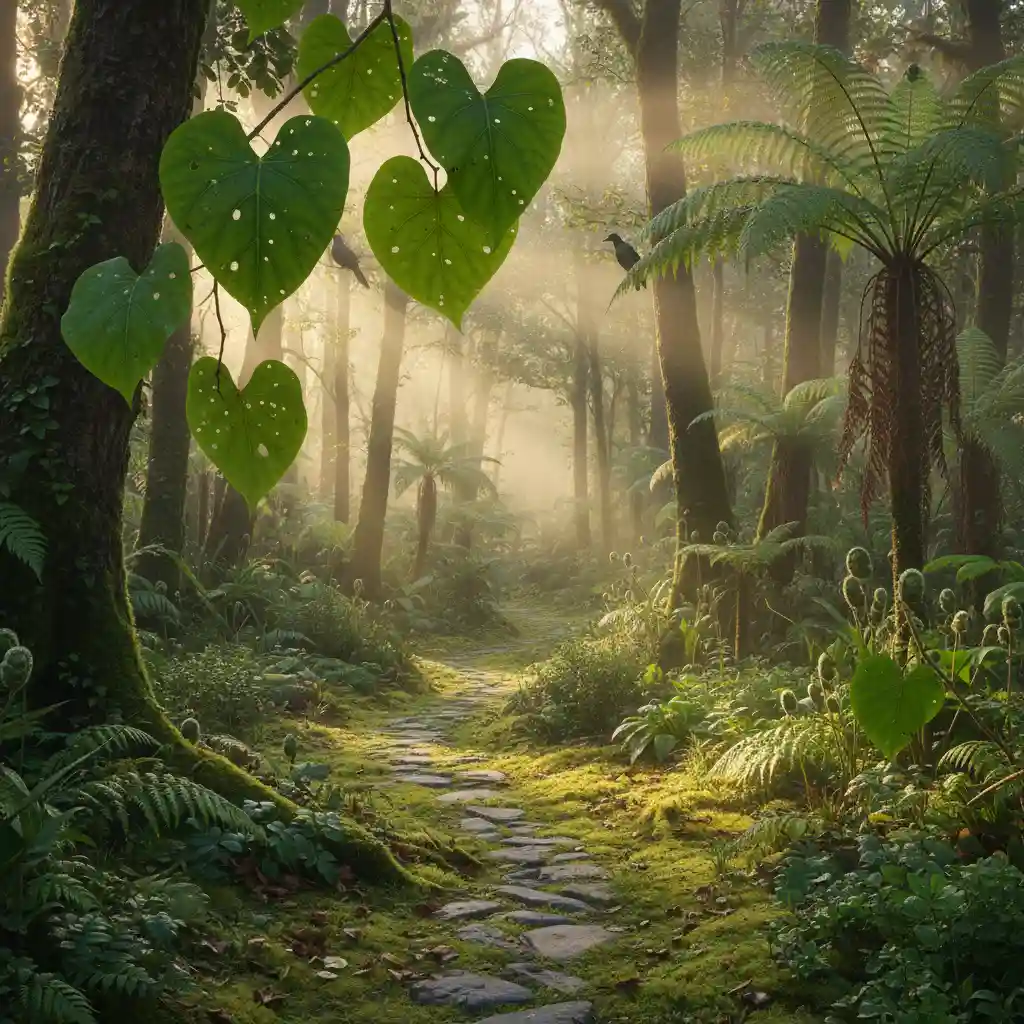
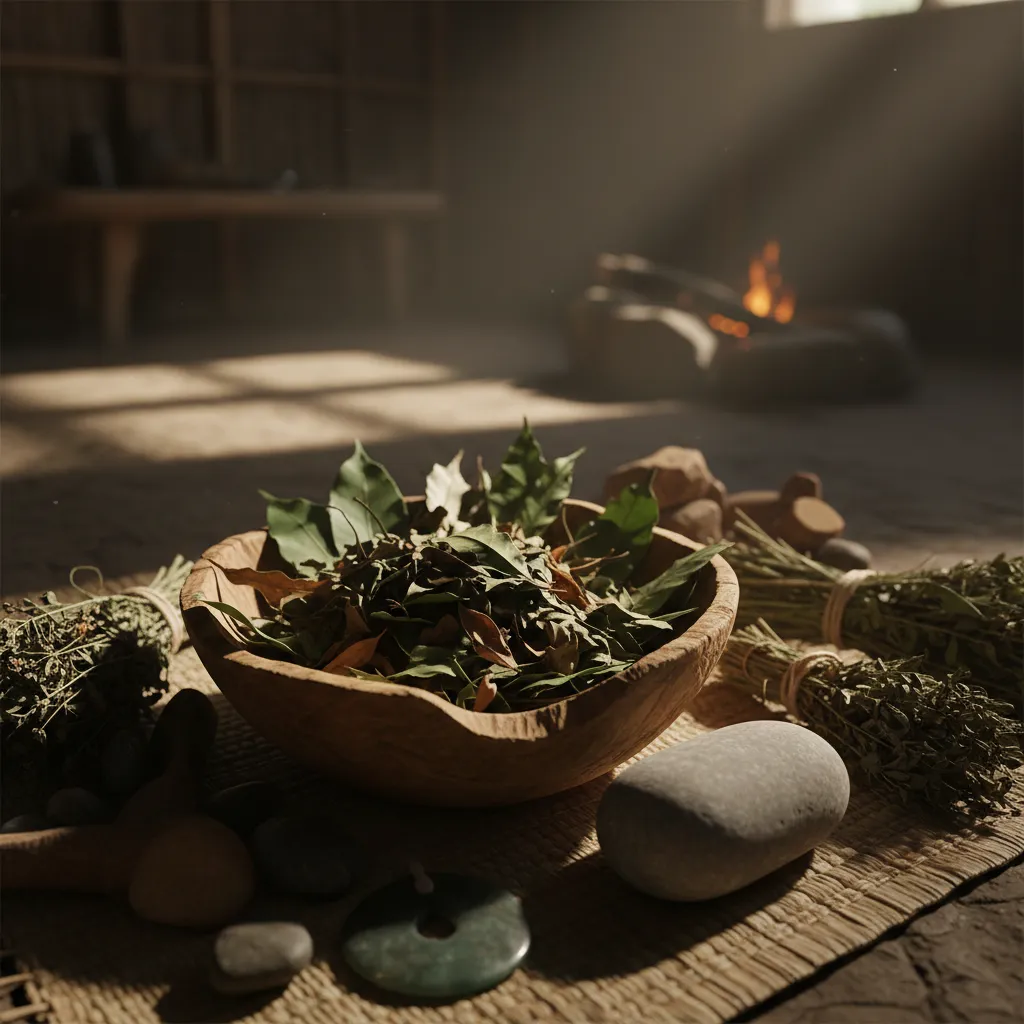
The native forests of Aotearoa provide a pharmacy of plants (rongoā rākau) that have been used for centuries to support the nervous system and heal the heart. While Western medicine relies on pharmaceuticals, Rongoā rākau relies on the symbiotic relationship between humans and nature. Harvesting these plants involves strict protocols to ensure the sustainability of the plant and the potency of the medicine.
Here are some key plants traditionally used to support emotional and mental wellbeing:
Kawakawa (Piper excelsum)
Often referred to as the “pharmacy of the forest,” Kawakawa is perhaps the most versatile herb in Rongoā Māori. While famous for its anti-inflammatory and digestive properties, it is also a powerful heart tonic. In the context of mental health, Kawakawa is used to process grief and heavy emotions. It helps to “move” the blood and the energy, preventing stagnation. A warm cup of Kawakawa tea is often the first step in calming a distressed individual, offering a moment of warmth and settling the stomach, which is often knotted by anxiety.
Kumarahou (Pomaderris kumeraho)
Known primarily as a lung tonic, Kumarahou is also significant for emotional release. In traditional thought, the lungs are the repository of grief and sadness. By clearing the lungs physically, Kumarahou is believed to assist in the release of suppressed sorrow and heavy burdens. Its bitter taste also triggers the liver, aiding in the detoxification of the body, which is essential when the body is flooded with stress hormones like cortisol.
Manuka (Leptospermum scoparium)
Beyond its famous honey, the Manuka plant itself has sedative and calming properties. Infusions made from the bark or leaves have been used to aid sleep and reduce anxiety. Rest is a critical component of mental recovery, and Manuka helps soothe the nervous system to facilitate deep, restorative sleep, similar to the findings in Valerian Root: Mechanisms for Sleep Architecture.
Note: Always consult a qualified Rongoā practitioner before ingesting native herbs, especially if you are taking pharmaceutical medications, to avoid interactions.
The Role of Wai (Water) in Spiritual Cleansing
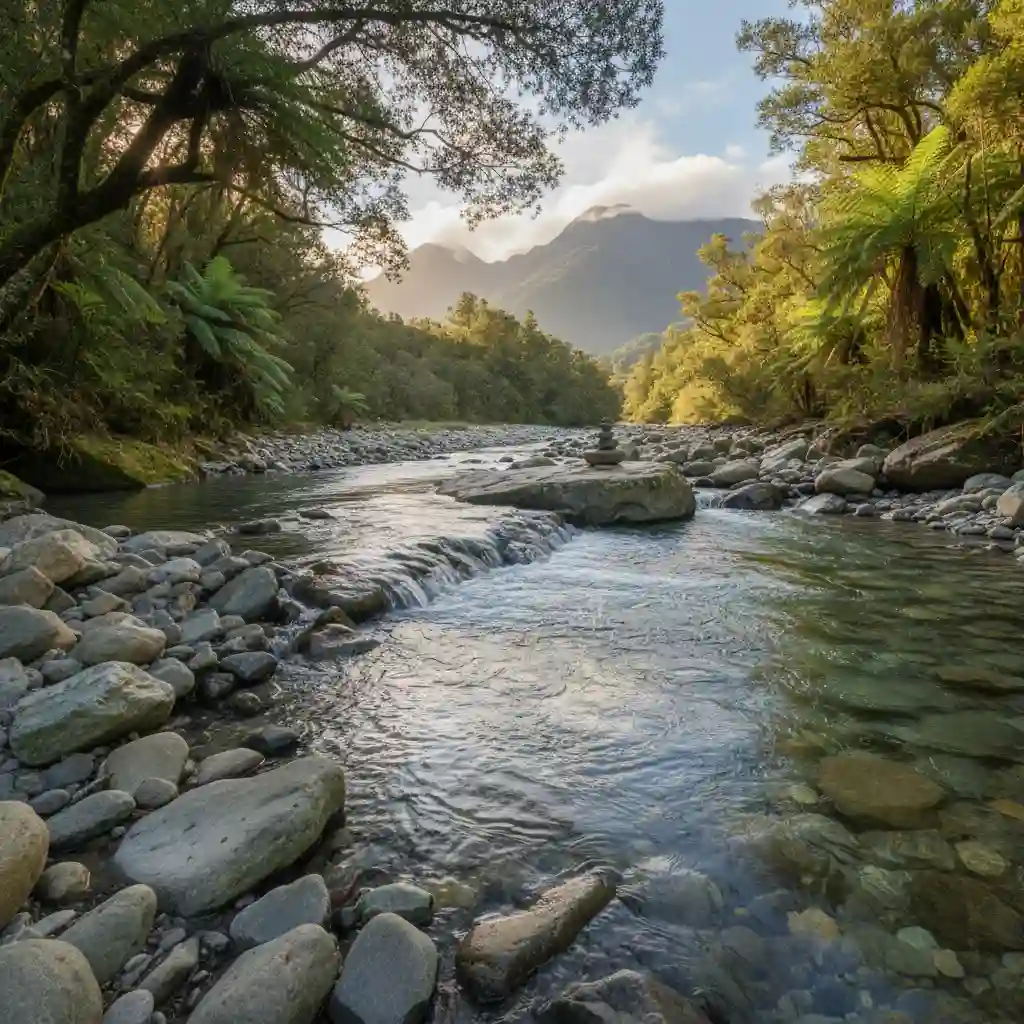
Water (wai) holds a sacred place in Māori healing. It is not just a physical substance but a spiritual entity capable of cleansing and renewal. In mental health support, water is used to wash away wehi (fear), pōuritanga (darkness/sadness), and spiritual pollution.
Whakawātea: Clearing the Spirit
A common practice for those dealing with mental distress is immersion in moving water—either the ocean (Tangaroa) or a river. The ocean is salt water (waitai), which is considered healing and preserving. The rhythmic crashing of waves and the salt content are believed to strip away negative energy. Rivers (waimāori) carry energy from the mountains to the sea; immersing in a cold river can reset the nervous system, similar to modern cold-water therapy, but with the added intention of spiritual purification.
This process is often accompanied by karakia. The individual enters the water with the specific intention of releasing their burdens to the current, allowing the water to carry the weight away. This ritual marks a distinct separation between the state of distress and the state of renewal.
Integrating Rongoā into Modern Mental Health Support
The landscape of mental health in New Zealand is evolving. There is a growing recognition within the clinical sector that Western medicine alone cannot address the complexities of indigenous trauma and holistic wellbeing. This has led to a surge in integrating Rongoā Māori alongside conventional treatments.
Organizations like Manatū Hauora (Ministry of Health) acknowledge Rongoā as a legitimate health service. Furthermore, the Accident Compensation Corporation (ACC) now funds Rongoā Māori sessions for clients with covered injuries, including sensitive claims related to sexual violence and trauma. This funding is a monumental step, validating the efficacy of traditional healing in a modern context.
Collaboration, Not Competition
Integration works best when it is collaborative. A clinical psychologist might help a client understand their cognitive patterns, while a Rongoā practitioner helps them release the trauma from their body and reconnect with their wairua. This dual approach honors the whole person. For example, a patient might take prescribed medication to stabilize a chemical imbalance while simultaneously using Rongoā rākau teas to support their physical vitality and receiving Mirimiri to manage stress.
Finding the Right Path: Accessing Rongoā
If you or a loved one are seeking Rongoā for mental health support, it is crucial to find a reputable practitioner. Rongoā is not a regulated industry in the same way as Western medicine, relying instead on whakapapa (lineage) and the endorsement of hapū and iwi. A true Tohunga acts with humility and operates within strict tikanga.
When approaching a practitioner, look for connection. Healing in Te Ao Māori is relationship-based. You should feel safe, respected, and culturally supported. Whether you are Māori or non-Māori, Rongoā is accessible to anyone who approaches it with respect and an open heart. By embracing this ancient wisdom, we open ourselves to a form of healing that nurtures not just the mind, but the spirit that resides within.
People Also Ask
Is Rongoā Māori effective for depression?
Yes, many people find Rongoā Māori effective for depression as it addresses the root spiritual and emotional causes of distress. By combining herbal remedies (rongoā rākau) with bodywork (mirimiri) and spiritual healing (wairuatanga), it offers a holistic approach that complements conventional treatments.
Does ACC cover Rongoā Māori for mental health?
Yes, ACC funds Rongoā Māori services for clients with covered injuries. This includes support for survivors of sexual violence (sensitive claims) and those dealing with physical injuries that impact their mental wellbeing. You need to request this through your recovery team.
Can I use Rongoā herbs if I am on antidepressants?
You should always consult with both your doctor and your Rongoā practitioner before combining herbal remedies with pharmaceutical antidepressants. Some native plants may interact with medications, so professional guidance is essential for safety.
What is the difference between Mirimiri and massage?
While both involve bodywork, Mirimiri is energy work that aims to release trapped emotions and restore spiritual balance, whereas standard massage typically focuses solely on physical muscle relaxation. Mirimiri often includes karakia (prayer) and intention setting.
Do I have to be Māori to use Rongoā?
No, you do not have to be Māori to access or benefit from Rongoā. The healing practices are available to anyone who approaches them with respect for the culture, tikanga (protocols), and the environment.
How does Kawakawa help with anxiety?
Kawakawa is traditionally used as a tonic that supports the heart and circulation. Its calming properties can help settle the stomach (often affected by anxiety) and support the body in processing grief and heavy emotions, promoting a sense of ease.