Integrating Rongoā Māori in healthcare involves the formal application of traditional Māori healing practices—including herbal remedies, physical therapies, and spiritual guidance—within modern clinical frameworks. This pluralistic approach aims to improve health equity, respect indigenous sovereignty, and provide holistic care that addresses physical, mental, social, and spiritual well-being (Hauora) within New Zealand’s evolving medical landscape.
The Case for Pluralistic Healthcare
The global shift toward pluralistic healthcare systems recognizes that Western biomedicine, while highly effective for acute care and infectious diseases, often fails to address the complex, holistic needs of indigenous populations. In Aotearoa New Zealand, the integration of Rongoā Māori in healthcare is not merely an alternative therapy option; it is a fundamental requirement for achieving health equity and honoring the principles of Te Tiriti o Waitangi (The Treaty of Waitangi). Pluralism in this context refers to the coexistence and mutual respect of different medical systems, where the patient has the right to choose a pathway that aligns with their cultural values and spiritual beliefs.
For many Māori, health is defined by the Te Whare Tapa Whā model, which visualizes health as a four-walled house: Taha Tinana (physical), Taha Hinengaro (mental), Taha Whānau (social), and Taha Wairua (spiritual). Traditional clinical models often neglect Taha Wairua, which is central to Rongoā Māori. By integrating traditional healing, healthcare systems can bridge this gap, offering a more comprehensive form of care that treats the person as a whole rather than a set of symptoms.
Overcoming Historical Barriers
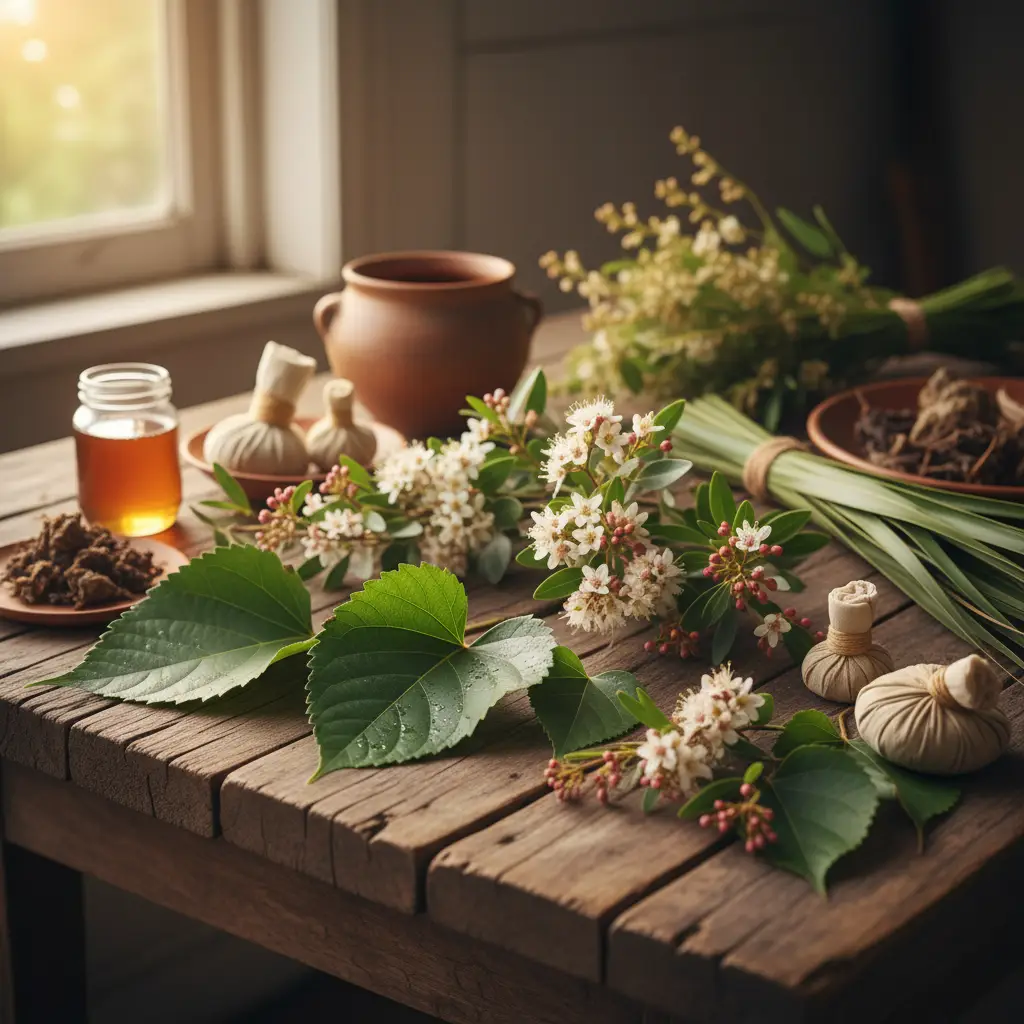
The journey toward integration has been hindered by a history of suppression. The Tohunga Suppression Act of 1907 was a legislative attempt to delegitimize traditional Māori knowledge and healing practices. Although the Act was repealed in 1962, the stigma and systemic exclusion of Rongoā Māori persisted for decades. Today, the case for pluralistic healthcare is built on dismantling these colonial legacies and acknowledging that indigenous knowledge (Mātauranga Māori) offers valid, evidence-based solutions for wellness that complement Western science.
Policies and Legislative Frameworks for Integration
The structural transformation of the New Zealand health system through the Pae Ora (Healthy Futures) Act 2022 has created unprecedented opportunities for Rongoā Māori in healthcare. The establishment of Te Aka Whai Ora (The Māori Health Authority) alongside Te Whatu Ora (Health New Zealand) was designed specifically to ensure that Māori health outcomes are prioritized and that traditional practices are woven into the fabric of the national health strategy.
One of the most significant policy successes in recent years is the Accident Compensation Corporation (ACC) funding for Rongoā Māori services. Since 2020, ACC has allowed clients to access traditional healing as part of their rehabilitation. This policy shift recognizes Rongoā as a legitimate rehabilitation service, covering modalities such as Mirimiri (bodywork), Whitiwhiti Kōrero (consultation), and Karanu (spiritual guidance). The data from this initiative shows high levels of patient satisfaction and improved recovery rates, particularly for those who had previously struggled to engage with standard physical therapy.
Te Tiriti o Waitangi Obligations
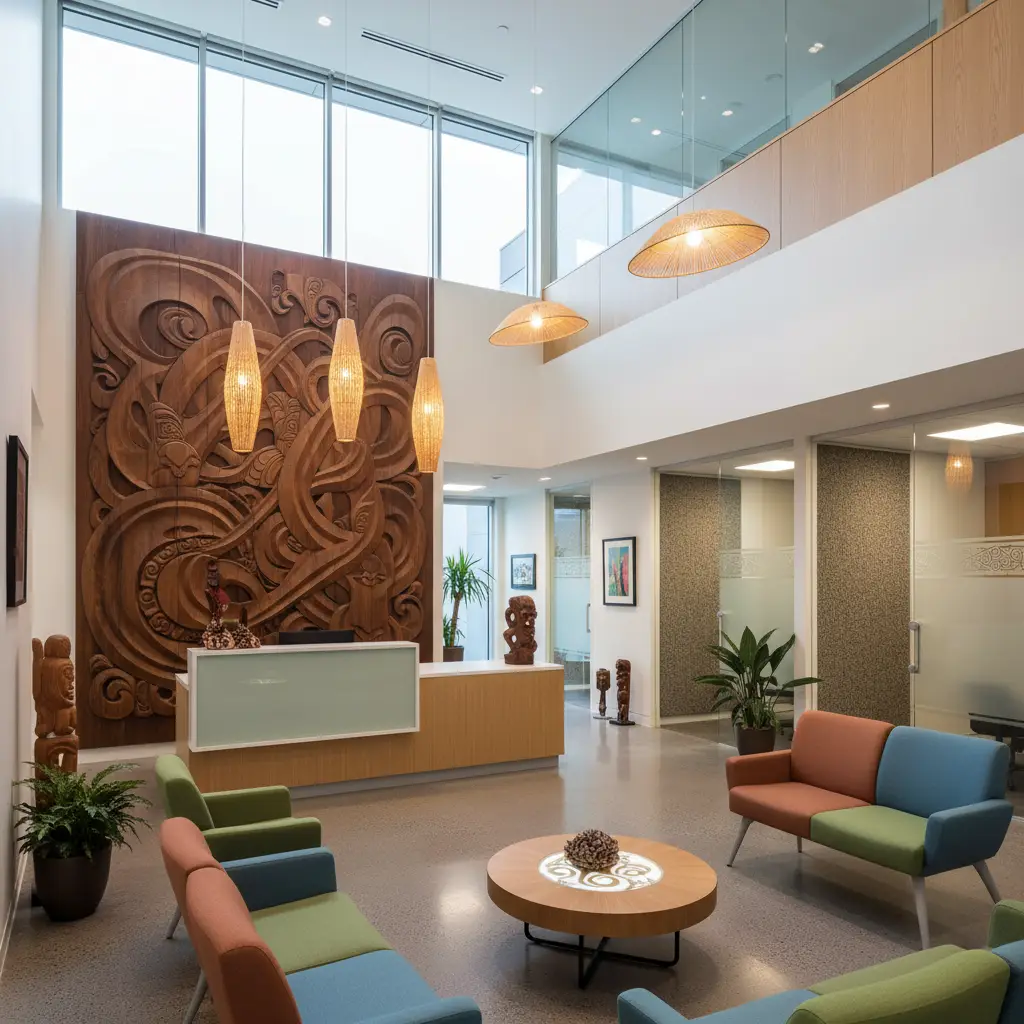
Health policies are now heavily influenced by the Waitangi Tribunal’s WAI 2575 report, which highlighted the failure of the Crown to provide equitable health outcomes for Māori. The principles of partnership, participation, and protection now mandate that Māori have a say in how health services are designed and delivered. This includes the right to access Rongoā Māori within public hospitals and primary care clinics, ensuring that cultural safety is not just a buzzword but a funded, operational reality.
Clinical Safety, Ethics, and Governance
Integrating Rongoā Māori into clinical environments requires a careful balance between maintaining the integrity of traditional practice and meeting modern safety standards. Clinical safety in this context involves two dimensions: the physical safety of the treatments (such as the toxicity levels of Rākau Rongoā or the techniques used in Mirimiri) and the cultural safety of the environment in which care is provided.
The governance of Rongoā Māori is largely overseen by Te Kapū Ngāihi, the national body for Rongoā Māori practitioners. Unlike Western medical boards that focus on standardized examinations, Rongoā governance emphasizes lineage (Whakapapa), apprenticeship under a Tohunga, and the adherence to Tikanga (customary protocols). For a clinical integration to be successful, Western clinicians must learn to trust these indigenous quality assurance mechanisms rather than attempting to force Rongoā into a Western regulatory mold.
Informed Consent and Referral Pathways
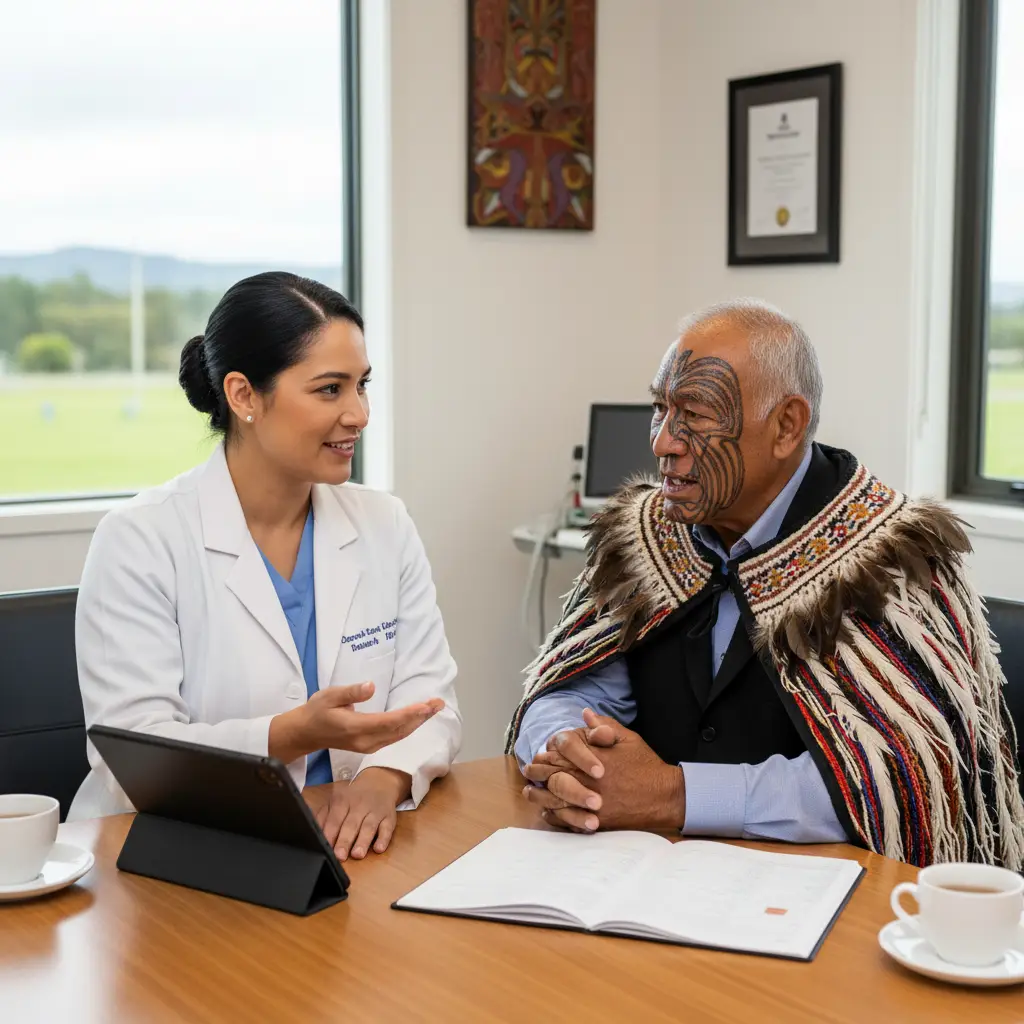
Ethics in a pluralistic system revolve around informed consent. Patients should be informed about the availability of Rongoā Māori as an adjunct to their medical treatment. Referral pathways must be clear: if a GP identifies that a patient’s illness has a strong spiritual or cultural component (Wairua), they should be able to refer that patient to a recognized Rongoā practitioner with the same ease they would refer them to a physiotherapist. This requires ongoing education for the medical workforce to understand the scope and limitations of traditional healing.
The Role of Tohunga in Modern Medicine
Tohunga are the experts and guardians of Māori healing knowledge. In a modern integrated system, their role is multifaceted. They are not simply “alternative therapists”; they are spiritual advisors, community leaders, and specialists in indigenous psychology and herbal medicine. Their presence in clinical settings, such as hospitals or mental health wards, can significantly reduce patient anxiety and improve the efficacy of Western treatments by ensuring the patient’s wairua is settled.
In many cases, Tohunga work alongside multidisciplinary teams. For example, in oncology, a Tohunga might provide Whitiwhiti Kōrero to help a patient and their whānau process the trauma of a diagnosis, while the oncologist manages the chemotherapy. This partnership ensures that the spiritual and emotional “heat” of the disease is addressed, which can improve the patient’s immune response and overall resilience. The challenge remains in ensuring that Tohunga are compensated fairly, matching the pay scales of other clinical specialists, and that their workload is managed to prevent burnout.

Training and Succession
The sustainability of Rongoā Māori in healthcare depends on succession. Traditional knowledge is often passed down through families (Whānau) or specific iwi (tribes). Modern healthcare systems must support these traditional training models by providing scholarships and protecting the environments (the ngahere or forests) where medicinal plants are harvested. Without a healthy ecosystem, the practice of Rongoā is compromised.
Measuring Holistic Outcomes and Economic Value
The commercial and clinical value of Rongoā Māori is increasingly evident in health data. When patients receive culturally resonant care, they are more likely to adhere to treatment plans and engage in preventative health measures. This leads to a reduction in hospital readmissions and a decrease in long-term chronic disease management costs. For healthcare providers, offering Rongoā Māori is a strategic move to improve patient satisfaction and fulfill corporate social responsibility goals related to indigenous rights.
Standardized metrics like the “Hauora Outcome Tool” are being developed to measure the success of integrated care. These tools look beyond blood pressure and heart rate, measuring things like the patient’s sense of connection to their culture, the strength of their family support networks, and their spiritual peace. From a commercial perspective, the integration of Rongoā Māori opens up a specialized niche in the wellness and medical tourism markets, appealing to individuals seeking authentic, holistic healing experiences backed by clinical safety protocols.
Future Directions in Māori Health Integration
The future of Rongoā Māori in healthcare lies in digital integration and broader accessibility. We are seeing the rise of telehealth platforms where Whitiwhiti Kōrero can be conducted remotely, and the development of databases that document the efficacy of Rākau Rongoā while protecting indigenous intellectual property. As the world moves toward more personalized and patient-centered medicine, the ancient wisdom of Māori healing provides a blueprint for what a truly inclusive and effective healthcare system can look like.
Collaboration, rather than competition, is the path forward. By fostering a healthcare environment where a stethoscope and a prayer (karakia) are viewed as equally valuable tools in the healing process, Aotearoa can lead the world in indigenous health innovation. This integration is more than just a clinical change; it is a restoration of balance, ensuring that the health system serves all people with dignity, respect, and profound care.
People Also Ask
What is Rongoā Māori in the health system?
Rongoā Māori in the health system refers to the formal integration of traditional Māori healing practices, such as Mirimiri (massage) and Rākau Rongoā (herbal medicine), into public and private healthcare settings to provide a holistic approach to patient wellness.
Is Rongoā Māori funded by the government?
Yes, in New Zealand, Rongoā Māori is increasingly funded through various channels, most notably by the Accident Compensation Corporation (ACC) for injury rehabilitation and through specific Māori Health Authority (Te Aka Whai Ora) initiatives.
How does Rongoā Māori complement Western medicine?
It complements Western medicine by addressing the spiritual (Wairua) and social (Whānau) aspects of health that biomedicine often misses. This helps in patient engagement, emotional processing, and holistic recovery.
What are the safety standards for traditional Māori healing?
Safety is maintained through Tikanga (customary protocols), the guidance of the national body Te Kapū Ngāihi, and the adherence to traditional knowledge passed down through generations of Tohunga, often in partnership with clinical governance frameworks.
How do I find a registered Rongoā Māori practitioner?
You can find registered practitioners through the ACC Rongoā Māori provider list, local Iwi health organizations, or by contacting Te Kapū Ngāihi for a directory of recognized traditional healers.
Why is Rongoā Māori important for health equity?
It is crucial for health equity because it provides culturally safe care that Māori patients trust, which improves access to services, treatment adherence, and overall health outcomes for a population that has historically been underserved.