
Maramataka daily application is the practice of aligning human activities with the Māori lunar calendar to optimize physical energy, emotional well-being, and productivity. By observing specific lunar phases, individuals can synchronize tasks like high-stakes meetings or restorative self-care with the environment’s natural rhythms, ensuring holistic balance and sustained vitality in modern life.
The Foundation of Maramataka: More Than a Calendar
Maramataka is not merely a method for tracking time; it is a sophisticated system of environmental observation and ecological wisdom passed down through generations of Māori. In its most fundamental sense, Maramataka daily application requires an understanding that the moon (Marama) influences the movement of water—not just in the oceans, but within the human body and the sap of plants. This connection forms the basis of a lifestyle that prioritizes harmony over hustle.
Unlike the Gregorian calendar, which is fixed and linear, the Maramataka is fluid and circular. It typically consists of 29.5 to 30 nights, each with its own name and characteristics. Each night dictates a specific energy level, known as ‘mauri,’ which influences everything from agricultural success to human temperament. For those looking to implement this in a modern context, it begins with identifying which phase the moon is currently in and adjusting expectations for the day accordingly.
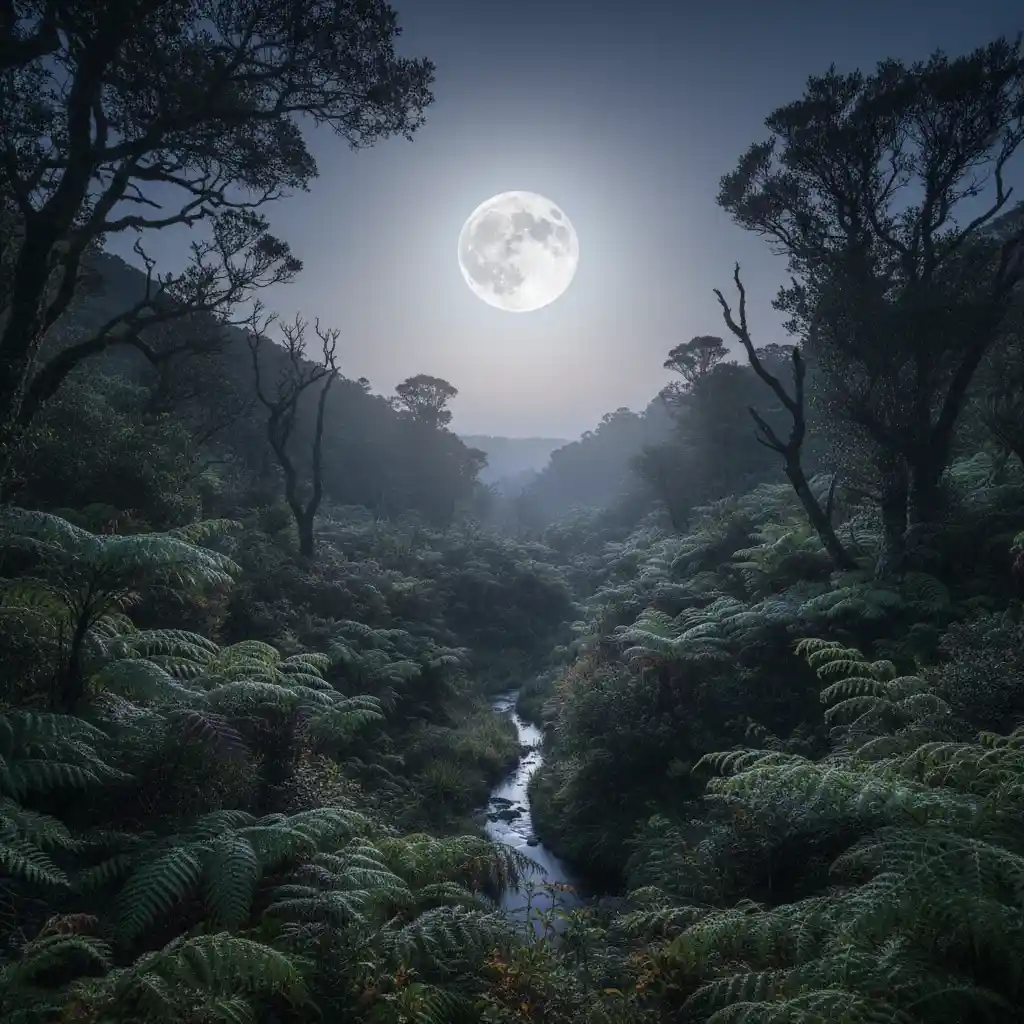
The Phases and Their Core Attributes
The lunar month is broadly divided into phases that signal either growth, peak energy, or reflection. Understanding these phases is critical for effective Maramataka daily application. The Whiro (New Moon) phase is generally a time of low energy and inward reflection, whereas the Rākaunui (Full Moon) phase is characterized by high energy and outward activity. Between these extremes lie the ‘Tamatea’ days, known for their unpredictable and often turbulent energy, and the ‘Tangaroa’ days, which are highly productive and fruitful.
Strategic Energy Management: Mapping Your Month
One of the most immediate benefits of Maramataka daily application is the ability to manage one’s energy reserves. In our modern ‘always-on’ culture, burnout is often the result of forcing high-intensity activity during low-energy lunar phases. By mapping your schedule to the Maramataka, you can plan for periods of rest and periods of intense output.
High-Energy Days: Riding the Wave
During the nights leading up to and including Rākaunui, the energy is abundant. This is the time for collaborative projects, physical exercise, and community engagement. In a professional setting, these are the days to schedule launches, presentations, and networking events. Because the ‘pull’ of the moon is strongest, people are generally more extroverted and active. However, this high energy can also lead to impulsivity, so strategic focus is necessary to channel this power effectively.
Low-Energy Days: The Importance of Whiro
The Whiro phase is the lowest point of the lunar energy cycle. In traditional Māori society, this was a time for rest and listening to the land. Today, Maramataka daily application suggests that Whiro should be used for administrative tasks, planning, and deep reflection. It is an ideal time for ‘unplugging’ and prioritizing sleep. Ignoring the low energy of Whiro often leads to physical illness or mental fatigue later in the month. By acknowledging this phase, we give our bodies the permission to recover.

Syncing Personal Wellness with the Moon
Within the niche of Rongoā Māori (traditional Māori healing), Maramataka is an indispensable tool. Rongoā is not just about the application of plants; it is about the timing of the healing process. Maramataka daily application in wellness involves aligning dietary choices, physical movements, and medicinal treatments with the lunar cycle to maximize their efficacy.
Rongoā Māori and Harvesting
Clinically, the potency of plant-based medicines is believed to fluctuate with the moon. For instance, many healers prefer to harvest ‘rongoā’ (medicine) during the Tangaroa nights, as the sap of the plants is pulled into the leaves and stems, increasing their medicinal properties. For a person following a lunar lifestyle, this principle can be applied to when they take supplements, undergo detox protocols, or even when they choose to cut their hair or perform skin treatments.
Physical Activity and Recovery
Physical fitness can also be optimized. During the growth phases (ascending moon), the body is more resilient and capable of building muscle and stamina. During the waning phases, the focus should shift toward flexibility, mobility, and detoxification. This prevents overtraining and ensures that the body’s recovery periods align with its natural metabolic state.
Maramataka in Modern Productivity
Integrating Maramataka daily application into a professional workflow provides a competitive edge by leveraging natural cycles rather than fighting them. Businesses that adopt these principles often report higher employee satisfaction and more sustainable output. The focus shifts from ‘output at all costs’ to ‘optimal output at the right time.’
Planning Your Projects
When a project begins, the start date should ideally align with the ‘growing’ moon. As the moon grows toward fullness, the project gains momentum. The middle of the month—specifically the Tangaroa phase—is the ‘sweet spot’ for hard work and problem-solving. This is when the mind is sharpest and collaboration is most harmonious. Conversely, the Korekore days (nights of scarcity) are periods where progress might feel slow. Instead of pushing through frustration, these days are best used for refinement and checking for errors.

Meetings and Communication
Even communication can be synced. The Tamatea nights are often associated with ‘weather’ both literal and metaphorical. Emotions can run high, and misunderstandings are more common. Experienced practitioners of Maramataka daily application might avoid sensitive negotiations or high-conflict discussions during these days, choosing instead the more stable energy of the Orongonui phase, which is renowned for peace and clarity.
Emotional Well-being and Lunar Cycles
The human body is approximately 60% water, making it highly susceptible to the same gravitational forces that govern the tides. Maramataka provides a framework for understanding these ‘internal tides,’ allowing for better emotional regulation and mental health management.
Understanding the ‘Internal Tides’
During the full moon (Rākaunui), many people report heightened sensitivity or difficulty sleeping. By recognizing this as a natural response to the lunar cycle, one can practice ‘anticipatory self-care.’ This might include meditation, reducing caffeine intake, or avoiding triggering environments. Understanding that emotional intensity is temporary and linked to the moon helps in maintaining a perspective of ‘this too shall pass.’
Reflection and Release
The waning moon is a period for letting go. This is a time to process emotions, resolve conflicts, and clear physical and mental clutter. In a lifestyle guided by Maramataka, the days leading up to the New Moon are used for ‘pūrerehua’ (cleansing). This emotional hygiene prevents the accumulation of stress and ensures that the practitioner enters the new cycle with a clear mind and a light heart.
Clinical Integration of Maramataka
In clinical settings, particularly those focusing on Māori health (Hauora), the Maramataka is used to tailor patient care. Clinicians may notice that patient presentations vary according to the moon. For example, some phases may see an increase in acute mental health episodes, while others are better for surgical recovery or long-term rehabilitation exercises.

Practitioners can use the Maramataka to schedule follow-up appointments or suggest lifestyle changes to their patients. If a patient is struggling with chronic fatigue, a clinician might advise them to strictly adhere to the rest protocols of the Whiro phase. If a patient needs to make a significant lifestyle change, such as quitting smoking, initiating that change during the ‘ascension’ phase of the moon can provide the psychological and energetic ‘lift’ needed to sustain the new habit.
Summary of Daily Application Benefits
Ultimately, the Maramataka daily application offers a pathway to sovereignty over one’s own time and energy. It encourages a shift from the ‘clock’ to the ‘rhythm.’ By observing the world around us—the birds, the plants, and the moon—we reconnect with a wisdom that is both ancient and urgently relevant to the challenges of the 21st century. Whether you are a business leader, a health practitioner, or someone seeking personal peace, the lunar lifestyle provides a reliable map for the journey.
What is the best way to start a Maramataka daily application?
Begin by downloading a Maramataka app or purchasing a physical calendar that tracks the 30 nights. Each morning, note the name of the night and its corresponding energy. Start by observing your own moods and energy levels for one full cycle before making major changes to your schedule.
Is Maramataka the same for everyone regardless of location?
While the lunar phases are universal, Maramataka is often localized (iwi-specific). The observations of plants and animals vary between regions. For the best results, look for a Maramataka that is specific to your local environment or iwi, as this will align more closely with the local ecological signals.
Can Maramataka help with sleep issues?
Yes. Many people use Maramataka to understand why they experience insomnia during full moon phases (Rākaunui). By recognizing this pattern, you can implement better sleep hygiene—like reducing blue light and using calming Rongoā teas—specifically during these high-energy nights.
How do the Tangaroa days affect productivity?
Tangaroa days are widely considered the most productive days of the lunar month. They are associated with the god of the sea and are traditionally excellent for fishing and planting. In modern application, these are the best days for complex tasks, creative problem solving, and high-output work.
What should I avoid doing during the Whiro phase?
Whiro is a time of low energy and ‘darkness.’ It is generally advised to avoid starting brand-new major projects, hosting large high-energy events, or over-exerting yourself physically. It is a time for planning and quiet observation rather than bold action.
How does Maramataka integrate with modern medicine?
In a clinical sense, Maramataka provides a framework for ‘patient-centered’ timing. It can help clinicians predict when patients might need more support and allows for the integration of traditional healing rhythms alongside modern treatments to improve overall patient compliance and recovery rates.